


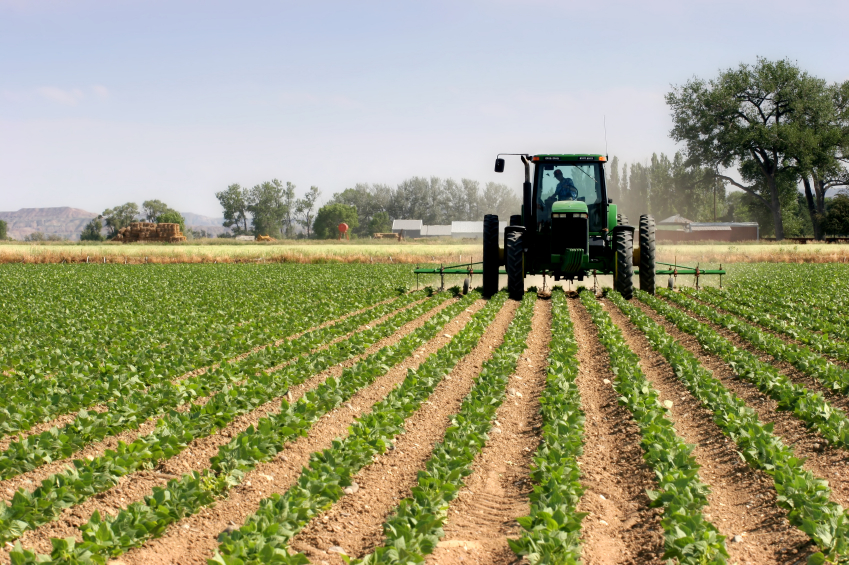
- President Donald Trump announced an $8 billion Harvest Fuel Relief program for farmers at an Oct. 19 rally in Kansas.
- Diesel averaged $6.18 a gallon nationwide as of Oct. 12, up about $2.51 from a year earlier.
- The U.S. Department of Agriculture will pay farmers using a national formula, with some commodity payment rates due in November.
- Trump said more farm funding and a permanent year-round E15 gasoline waiver depend on Republicans winning the midterms.
- Rising fuel costs tied to the U.S.-Israeli war on Iran have hurt Trump’s approval as Republicans fight to hold farm states.
You’re sitting in the cab of a combine at 6 a.m., dust hanging in the Kansas sunrise, and you do the math on the fuel gauge. A year ago, diesel ran about $3.67 a gallon. Today, it’s $6.18, a jump that slices into seed, fertilizer, and the mortgage payment on the family farm.
That’s the reality President Donald Trump addressed Oct. 19 at a rally in Park City, Kansas, when he announced $8 billion in emergency relief for farmers hammered by diesel prices that have climbed $2.51 per gallon since last fall. Speaking to a packed crowd at Heartland Credit Union Arena near Wichita, Trump said the Department of Agriculture’s Harvest Fuel Relief program will help producers offset diesel costs this harvest season. The USDA said payments will be calculated using a formula similar to the existing Farmer Bridge Assistance program.
Diesel costs eat into harvest margins as prices surge
The numbers tell a grim story. Average diesel hit $6.18 a gallon nationwide as of Oct. 12, according to the U.S. Energy Information Administration, a 68 percent jump from the same time last year. For a farmer running heavy equipment from dawn to dusk during harvest, that delta isn’t an inconvenience. It’s the difference between paying the feed bill and calling the bank.
Agriculture Secretary Brooke Rollins tied the program directly to the nation’s food supply. “This $8 billion dollar investment will help bring certainty to our farmers during this harvest so they can continue to feed our nation,” she said in a statement that accompanied the announcement.
Rather than tallying each farm’s fuel receipts, the USDA will cover part of estimated losses using a national average built from planted acres, production cost estimates, and federal yield and price projections. The Farm Service Agency will handle the payouts. Rates for Title I commodities such as corn, wheat, and soybeans are due in November, and farmers don’t need crop insurance to qualify.
Trump promises more farm cash if Republicans hold Congress
The president didn’t stop at diesel relief. He touted record biofuel production targets, which he predicted would put an extra $4 billion a year into the pockets of Kansas farmers. He also said a recently signed waiver allowing year-round E15 gasoline sales could be locked in for good, provided Republicans win the midterms.
“And when the Republicans win, we will pass even more funding for our farmers,” Trump told the crowd. Rocker Ted Nugent made a surprise appearance, and candidates up and down the ballot took the stage.
Sen. Roger Marshall, the first-term Republican facing a tight race against Democratic challenger Adam Hamilton, drove home the stakes for the state’s agricultural economy. If Democrats flip his seat, he warned, control of key Senate committees would shift, with the Agriculture Committee going to Sen. Cory Booker, a vegan, Marshall pointed out.
“We need a senator on the ag committee that can sort heifers and steers, not someone who doesn’t know the difference between a bull and a steer,” he said.
Farm relief joins a broader strategy to shore up rural support
The farm program is just the newest in a string of costly campaign pledges ahead of the Nov. 3 midterms, with Republicans clinging to slim majorities in both chambers. Trump’s approval rating has sagged over the rising cost of living during the U.S.-Israeli war on Iran, which drove fuel prices up, and Republicans are fighting to hold farm states with competitive Senate races.
Earlier this month, Trump signed an executive order he said would widen access to tax-exempt diesel. He’s also proposed sending $5,000 checks to all adult citizens if Republicans keep Congress, an idea analysts, economists, and a number of GOP lawmakers have greeted with doubt.
The new aid follows $12 billion in Farmer Bridge Assistance payments to more than 560,000 farmers earlier this year, according to the USDA.
Still, relief checks treat the symptom, not the disease. Farmers didn’t choose the war on Iran, yet they’re paying for it every time they fill a tank. An $8 billion check will help get this year’s crop in, but real relief would be a foreign policy that stops sending American fuel costs soaring for someone else’s fight.
Sources for this article include:






Please contact us for more information.