



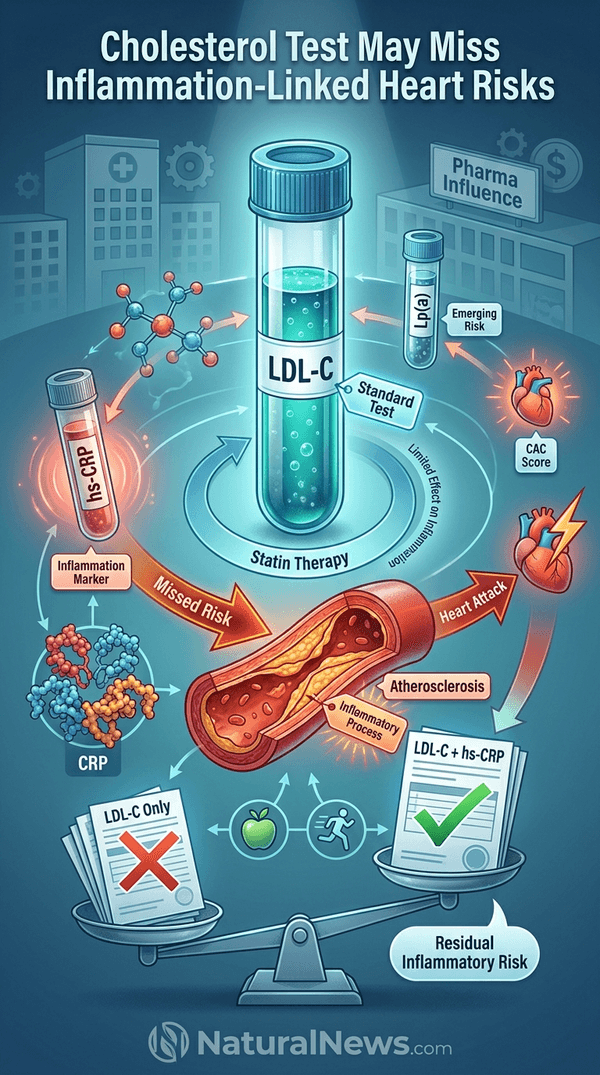
A new study of more than 35,000 UK Biobank participants without heart disease at the time of blood collection has found that standard cholesterol tests may overlook key cardiovascular risks tied to inflammation and blood vessel changes. The research examined low-density lipoprotein (LDL) cholesterol, triglyceride-rich lipoproteins (TRLs), and lipoprotein(a), or Lp(a), according to the report.
Researchers said standard cholesterol panels can miss real heart disease risk, while apoB and Lp(a) tests offer a clearer picture worth asking for [1]. The study found that protein patterns linked to TRLs and Lp(a) were associated with inflammation and blood vessel alterations, while LDL-related proteins were primarily involved in cholesterol transport.
After adjusting for all three blood fats, the associations between TRL and Lp(a) protein patterns and heart disease risk remained significant, but the LDL pattern was no longer independently associated with risk, the report stated. The findings suggest that evaluating a broader set of blood markers may provide a more complete picture of cardiovascular health than LDL alone.
Study Examined Proteins Linked to Three Blood Fats
The research team analyzed blood samples from UK Biobank participants who did not have heart disease at the time of collection. They looked at proteins in the blood associated with LDL, TRLs, and Lp(a), then checked findings using genetic data and nearly 6,000 participants in a U.S. study.
Proteins carry out processes including fat transport and inflammation regulation, researchers said, providing clues about how each blood fat may contribute to heart disease. LDL proteins were mainly tied to cholesterol transport and processing, while TRL and Lp(a) proteins were also tied to inflammation and changes in blood vessel walls.
The study's design allowed researchers to examine whether the protein patterns were merely correlated with heart disease or might play a causal role. The genetic analysis, known as Mendelian randomization, suggested that the links for TRLs and Lp(a) were consistent with a causal pathway, according to the report.
Inflammation and Blood Vessel Changes May Explain Much of TRL Risk
Researchers estimated that inflammation and blood vessel changes accounted for about 62% of the association between TRLs and heart disease, compared with 14% for Lp(a). The connections were not fully explained by C-reactive protein (CRP), a common blood marker of inflammation, the report stated.
The study authors said the results do not prove that inflammation directly causes the added risk and called for more research into the precise mechanisms. They noted that while CRP is a widely used inflammatory marker, other pathways may be at work.
A natural health advocate quoted in the coverage said the findings support looking beyond cholesterol alone, adding that diet, sleep, and movement are also factors in cardiovascular health. The advocate emphasized that a comprehensive approach to heart health should consider multiple lifestyle and biological factors.
What Standard Cholesterol Tests Miss
LDL remains an important marker of heart disease risk, but it is not the only one, health care providers said. Basic cholesterol tests miss key heart disease risks like Lp(a), inflammation, and dangerous LDL particles [2].
Lp(a) levels are largely determined by genetics, meaning a person can eat well, exercise, and have healthy LDL cholesterol while still having elevated Lp(a). Overall risk depends on several factors, including family history, blood pressure, blood sugar, and other blood fats, according to the report.
Standard cholesterol panels often do not include Lp(a), and even when they do, the results may not be routinely interpreted in the context of inflammation. This gap in testing may leave some individuals unaware of their elevated risk, the report suggested.
Testing and Prevention Takeaways
Standard cholesterol panels can miss real heart disease risk, but apoB and Lp(a) tests offer a clearer picture worth asking for, according to the source [1]. People with a family history of heart disease should ask their health care provider whether additional blood tests make sense.
Regular movement, consistent sleep, and a diet rich in vegetables, fruit, nuts, and fatty fish can support cardiovascular health, according to the report. These lifestyle factors may help reduce inflammation and improve blood vessel function.
The takeaway: a healthy LDL result is good news, but it does not tell the whole story. Checking other markers, such as Lp(a) and inflammatory proteins, may help clarify personal risk and guide preventive strategies.
References
- 2 Key Cholesterol Tests You Might Be Missing. https://www.houstonmethodist.org/blog/articles/2024/dec/2-key-cholesterol-tests-you-might-be-missing/
- Your Cholesterol Is “Fine”? Heart Tests You're Missing. https://drlewis.com/cholesterol-fine-but-heart-not-tests-youre-missing/
Explainer Infographic











Please contact us for more information.