


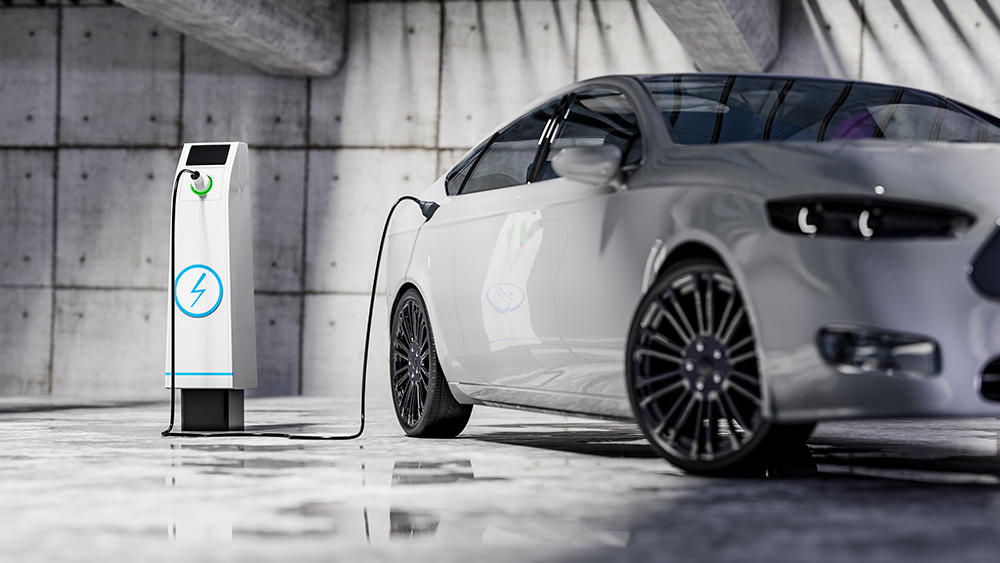
The global rush to embrace electric vehicles as a panacea for climate change is built on a foundation of selective truths and regulatory blind spots. While governments and automakers tout EVs as “zero-emission” solutions, a growing body of research and critical analysis reveals a far more complex reality. The latest challenge to the EV narrative comes from the Technical University of Munich (TUM), which found that battery-electric vehicles reduce lifecycle carbon dioxide emissions by only 41% compared to internal combustion engines, a figure that exposes the limitations of policies built on tailpipe-only emissions metrics. As California and the European Union push aggressive EV mandates, the question isn’t whether EVs are cleaner, but whether the current regulatory framework is blind to the true costs of their production, supply chains, and environmental toll.
Key points:
- Lifecycle emissions from EVs, including mining and manufacturing, reveal a 41% average reduction in CO2 compared to combustion engines, far short of “zero-emission” claims.
- EU regulations define EVs as “zero-emission” based solely on tailpipe metrics, ignoring upstream carbon costs and incentivizing greenwashing.
- EV demand drives a mining boom in Africa, with environmental and human rights abuses echoing the “blood diamond” trade.
- Discrepancies in studies (41% vs. 73% emission reductions) stem from data selection and assumptions about grid cleanliness and battery efficiency.
- Regulatory reforms, such as lifecycle assessments and credits for green supply chains, are critical to aligning EV policies with genuine climate goals.
The lifecycle illusion
The TUM study, drawing on 19 prior studies and 47 scenarios, dismantles the myth of EVs as climate saviors by accounting for their full lifecycle emissions—from raw material extraction to end-of-life disposal. While the 41% average reduction in CO2 sounds impressive, the study reveals a stark variability: in 92% of scenarios, EVs outperformed combustion engines, but in 8% of cases, they actually increased emissions. This disparity hinges on factors like the electricity grid’s carbon intensity, battery size, and manufacturing emissions. For instance, an EV charged with coal-heavy electricity in Germany may emit more than a modern diesel car, while one powered by renewable energy in Norway could cut emissions by 89%.
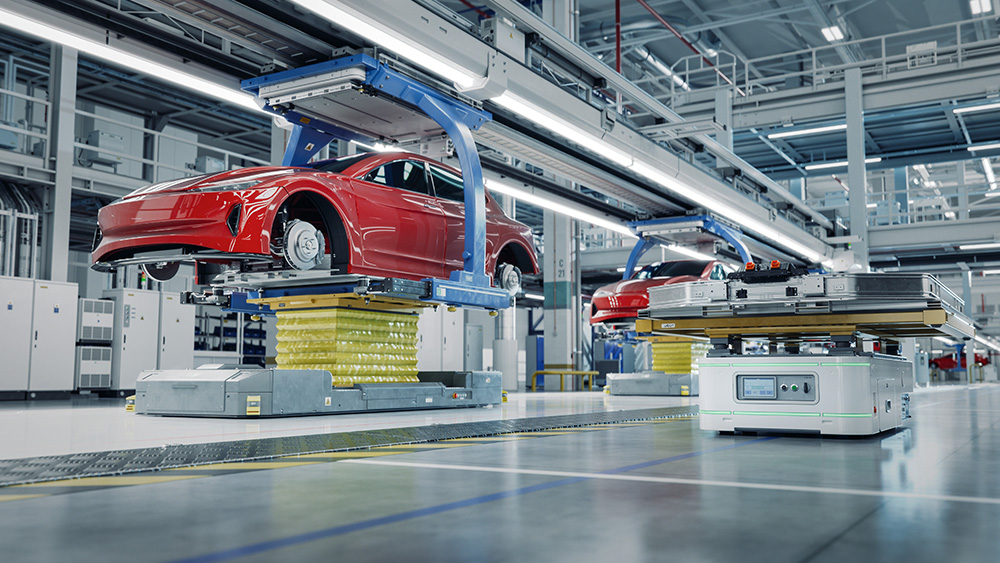
The problem lies in the EU’s regulatory framework, which assigns EVs a zero-gram-per-kilometer CO2 rating due to their lack of tailpipe emissions. This approach ignores the carbon embedded in lithium, cobalt, and nickel mining, as well as the energy-intensive production of batteries and vehicle components. As the TUM researchers note, automakers investing in green steel or decarbonized supply chains receive no regulatory credit, despite slashing real-world emissions. This creates a perverse incentive: manufacturers can greenwash their fleets by simply switching to EVs, even if their supply chains remain riddled with environmental harm.
Regulatory capture and political motives
The EU’s tailpipe-only policy isn’t just a technical oversight—it’s a product of political and economic forces. The German automotive industry, represented by BMW, Audi, and Volkswagen, has heavily funded the TUM study, using its findings to lobby against the 2035 combustion engine phase-out. Bavarian Premier Markus Söder, a vocal critic of the mandate, has weaponized the 41% figure to argue for “technology openness,” suggesting that EVs alone cannot meet climate targets. Meanwhile, independent researchers like Georg Bieker of the International Council on Clean Transportation dismiss the TUM analysis as a “quick analysis” relying on outdated data, noting that their 2025 study found a 73% average lifecycle reduction for EVs in Europe.
The discrepancy between 41% and 73% isn’t a disagreement over EVs’ viability but a clash over data selection. The TUM study includes global scenarios with coal-heavy grids and early-generation batteries, while the ICCT’s findings focus on cleaner European conditions. Yet both studies agree on a critical point: the current regulatory system is blind to the upstream emissions that define a vehicle’s true climate impact. As the European Commission revises its 2035 mandate, proposals to allow credits for green steel and climate-neutral fuels may address only 10% of required reductions, leaving a gaping hole in the decarbonization strategy.
The human and environmental cost of “green” batteries
Beyond regulatory loopholes, the EV revolution has triggered a mining boom with devastating consequences. Lithium, cobalt, and nickel, all key components of EV batteries, are primarily sourced from politically unstable regions in Africa, where mining operations have been linked to deforestation, water contamination, and human rights abuses. The New York Times has drawn parallels between this exploitation and the “blood diamond” trade, citing reports of child labor, unsafe working conditions, and environmental degradation in countries like the Democratic Republic of Congo.
This hidden cost is often obscured by the green sheen of EV marketing, which emphasizes tailpipe emissions while downplaying the human and ecological toll of raw material extraction. As the demand for EVs surges, so too does the pressure on vulnerable communities, raising ethical questions about the true price of the “zero-emission” label.
Sources include:









Please contact us for more information.