


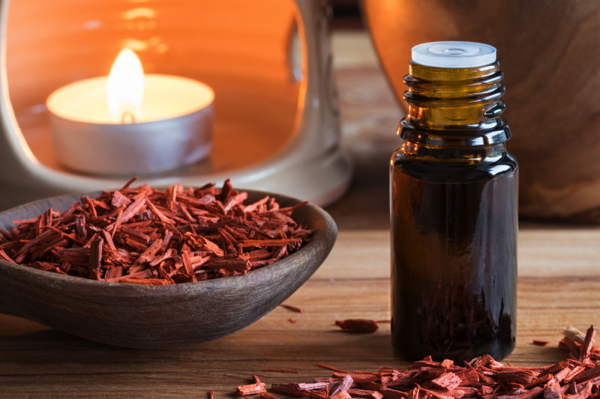
- Rosewood essential oil, derived from the Aniba rosaeodora tree, has a rich, warm and sweet scent with therapeutic properties.
- Indigenous tribes in the Amazon rainforest have used rosewood for medicinal and ceremonial purposes for generations and its commercial extraction began in the early 20th century.
- Rosewood essential oil offers numerous health benefits, such as antimicrobial properties, skin health, stress relief, improved sleep quality, mood enhancement and respiratory health.
- The oil is widely available in health food stores and aromatherapy shops, typically sold in various bottle sizes.
- Proper dilution is essential for safe use, with recommended dosages for topical application and inhalation provided for effective and safe use.
Rosewood (Aniba rosaeodora) is a powerful and versatile essential oil that has been cherished for centuries. Extracted from the wood of the rosewood tree, scientifically known as Aniba rosaeodora, this luxurious oil carries the rich, warm and sweet scent of the Amazon rainforest, where the tree is native.
The oil is extracted through steam distillation, a process that captures the aromatic compounds present in the wood. The result is a deep, amber-colored oil with a sweet, woody and slightly floral aroma that is both soothing and rejuvenating.
With a history that spans generations, rosewood essential oil offers a myriad of benefits for human health and wellness, making it a valuable addition to any holistic health regimen. This essential oil has been used in aromatherapy, cosmetics and traditional medicine for its numerous therapeutic properties.
History and extraction
The rosewood tree is native to the Amazon rainforest, where it grows abundantly in Brazil, Peru and Colombia. Indigenous Amazonian tribes have long used the wood and bark of the rosewood tree for various medicinal and ceremonial purposes. The oil was first extracted commercially in the early 20th century and its popularity grew rapidly due to its unique fragrance and therapeutic benefits.
Today, rosewood essential oil is extracted primarily from sustainably managed forests to ensure the conservation of this valuable resource. The extraction process is a delicate balance of art and science, requiring careful attention to the quality of the raw material and the distillation process to produce the purest and most potent oil.
Benefits of Rosewood in human health
Rosewood essential oil is renowned for its numerous biological and therapeutic properties, making it a valuable tool in promoting holistic wellness. Here are some of the key benefits:
- Antimicrobial properties: Rosewood essential oil has been shown to possess strong antimicrobial properties, which can help protect against various bacterial and fungal infections.
- Skin health: Due to its antiseptic and anti-inflammatory properties, rosewood essential oil is beneficial for treating skin conditions such as acne, eczema and psoriasis. It can also promote wound healing and reduce the appearance of scars.
- Stress relief: The calming and grounding aroma of rosewood essential oil can help reduce stress and anxiety, promoting a sense of peace and relaxation.
- Sleep quality: The soothing properties of rosewood essential oil can improve sleep quality, making it a useful remedy for those struggling with insomnia.
- Mood enhancement: Rosewood essential oil has mood-enhancing properties that can help alleviate symptoms of depression and boost overall emotional well-being.
- Respiratory health: When inhaled, rosewood essential oil can help clear congestion and soothe respiratory issues, making it a useful remedy for colds and flu.
Availability and dosage
Rosewood essential oil is widely available in health food stores, online retailers and aromatherapy shops. It is typically sold in bottles ranging from five ml to 50 ml, depending on the desired use and frequency of application.
When using rosewood essential oil, it is crucial to follow proper dilution guidelines to ensure safe and effective use. The recommended dosage for topical application is two to three drops mixed with 1 teaspoon of a carrier oil, such as coconut or almond oil. For inhalation, add two to three drops to a diffuser or inhale directly from the bottle for a few minutes at a time.
Watch this video to learn more about the top 10 anti-fungal essential oils.
This video is from the Natural News channel on Brighteon.com.
Sources include:











Please contact us for more information.