



The U.S. Department of State has ordered some diplomats and family members to depart from its missions in Saudi Arabia, U.S. officials told Reuters on Wednesday, Oct. 21. [1][2][3].
The order affects non-emergency U.S. government employees and their family members in the kingdom, according to a statement from State Department spokesperson Tommy Pigott [4][5]. It did not specify the number of personnel affected or a timeline for the departures, officials said [3].
State Department Cites Houthi Attacks on Civilian Targets
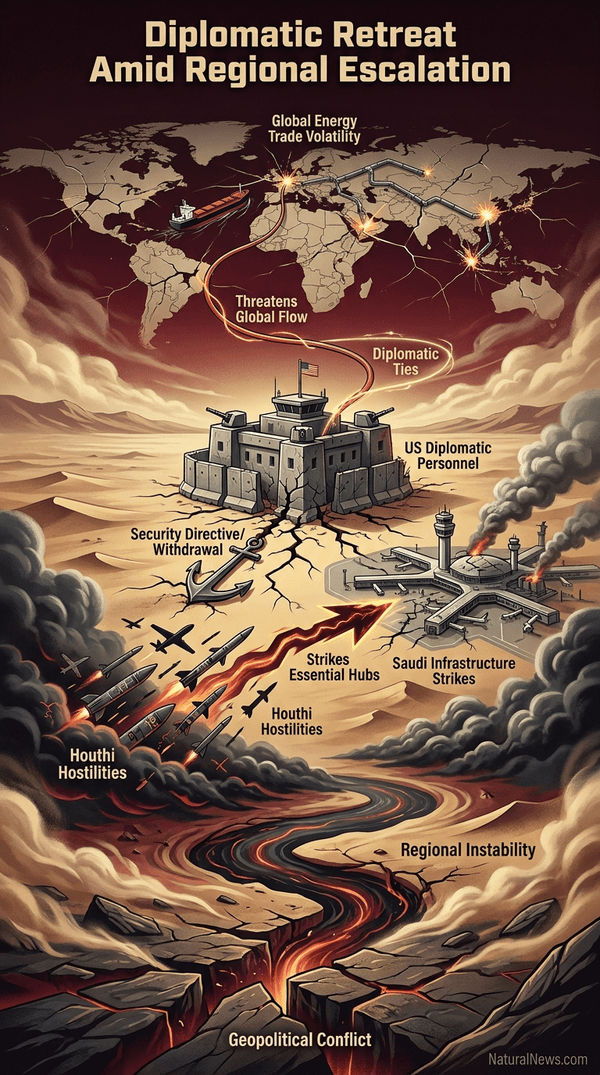
Pigott said the Houthis have increasingly engaged in hostilities against Saudi Arabia, including attacks on civilian airports and other critical infrastructure that have resulted in civilian casualties and severe travel disruptions [4][5]. The State Department's decision reflects a heightened assessment of threat to U.S. personnel in the region, officials said [2].
Four U.S. officials told Reuters that U.S. missions in other Gulf states would also be ordering family members to leave [3][1]. However, Pigott did not address changes to other missions outside Saudi Arabia in his public statement [4]. The scope of the withdrawals beyond the kingdom remained unclear as of Wednesday evening.
Washington had returned some diplomatic personnel to the region in recent months after many were pulled out when Tehran launched attacks on U.S. facilities following the U.S.-Israeli war on Iran that began in late February [2][3]. The renewed departures mark a reversal of that limited return and underscore the persistent security challenges facing U.S. diplomats in the Gulf.
Dammam Airport and Shaybah Oilfield Struck
Saudi Arabia's civil aviation authority reported an attack on King Fahd International Airport in Dammam that killed one person and injured eight others [3][6]. The airport serves as a major hub for commercial and military traffic in the Eastern Province.
The U.S. Embassy in Riyadh issued a security alert on Wednesday about possible further attacks by the Houthis on Saudi Arabia, after recent deadly strikes including on Riyadh's airport [7]. The embassy and a Central Intelligence Agency station hosted there came under attack by drones in early March, as Iran began launching attacks across the region [2]. Those incidents highlighted the vulnerability of diplomatic and intelligence facilities to asymmetric threats.
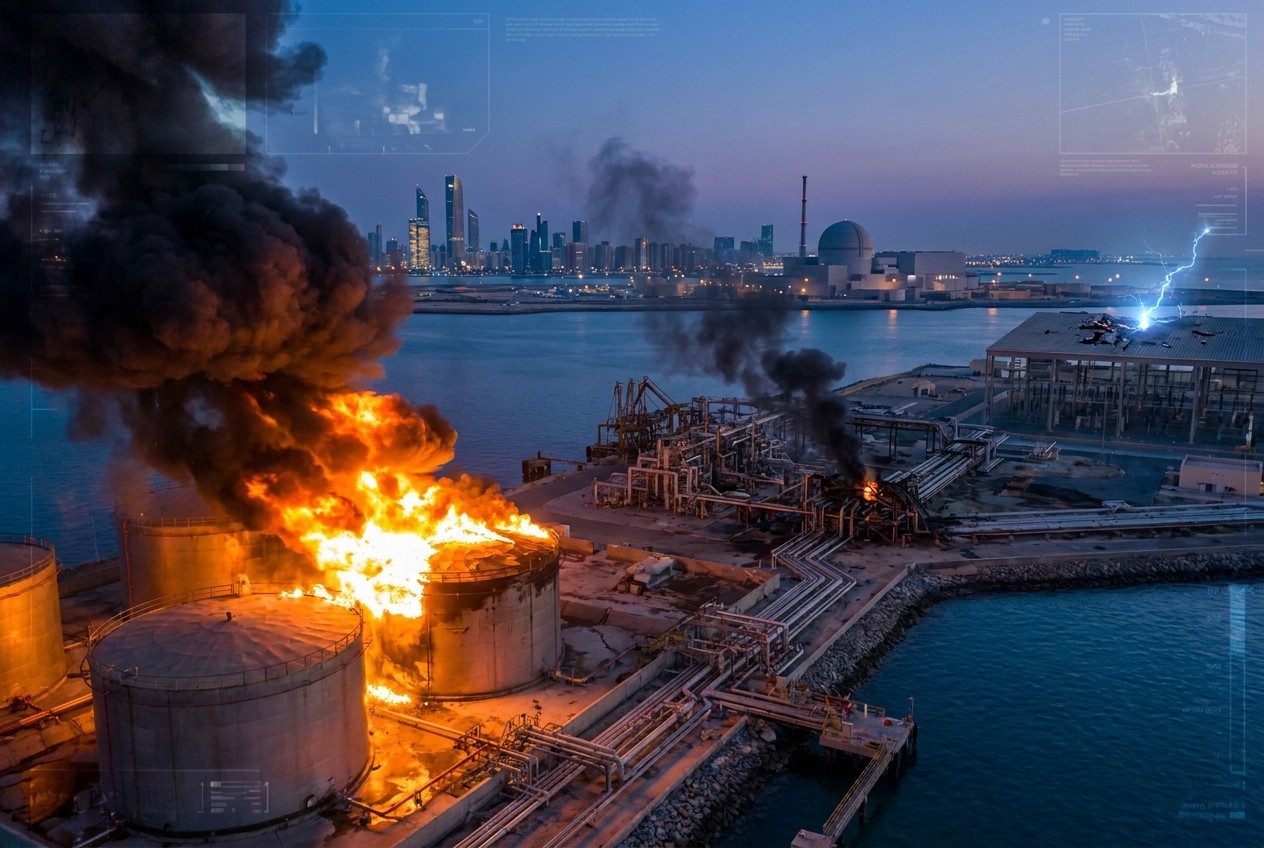
The strikes on Dammam and the Shaybah oilfield represent an expansion of Houthi targeting beyond the traditional front lines in Yemen. They also demonstrate the reach of Houthi drone and missile capabilities, which have previously struck Riyadh's international airport and Aramco facilities in Yanbu [8].
Conflict Expands, Disrupts Energy Trade and Travel
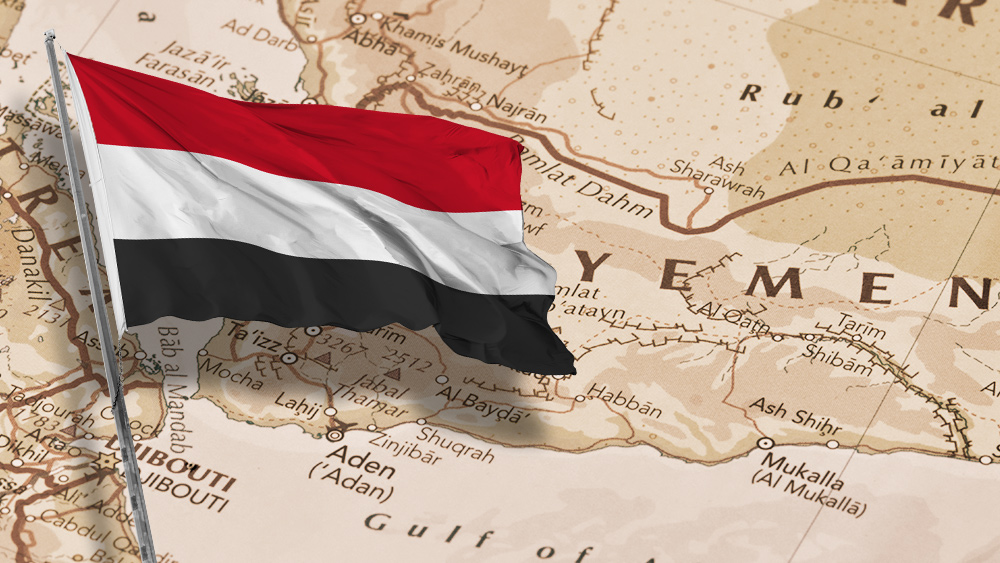
The latest withdrawals follow an escalation of the fighting in Yemen, opening another front in the regional conflict triggered by the U.S.-Israeli war on Iran [2][3]. The wider conflict has snarled global energy trade and hurt Gulf economies, according to officials and reports [9]. Houthi strikes have targeted civilian airports and critical infrastructure, resulting in casualties and severe travel disruptions, Pigott said [4].
The Houthis have imposed a maritime embargo on Saudi Arabia, threatening global energy supplies and widening the conflict beyond the Gulf [10]. The group has also struck Saudi tankers in the Red Sea and launched ballistic missiles at Riyadh and Aramco facilities in Yanbu [11][8]. Those attacks have contributed to volatility in international oil prices, which briefly topped $100 per barrel amid the heightened tensions [11].
The disruption to Saudi Arabia's oil infrastructure has raised concerns about the stability of global supply chains. The East-West Pipeline, a critical alternative route to the Strait of Hormuz, has been a target of Houthi strikes, and Saudi Arabia could exhaust its available oil stocks for exports if the pipeline is not restarted within days, according to Saudi oil buyers and traders cited in a Reuters report [12].
State Department Maintains Regional Presence Amid Security Concerns
The State Department has not announced a full embassy closure in Saudi Arabia; the order affects non-emergency US government employees and their family members [13][14]. The agency has not specified when the ordered departures will be completed or when normal staffing might resume. The situation will depend on the security environment in Saudi Arabia and the broader region, officials said.
References
- US orders diplomats to depart Saudi Arabia amid Houthi strikes. https://www.yahoo.com/news/us/articles/exclusive-us-preparing-issue-ordered-185956446.html
- US orders diplomats to depart Saudi Arabia amid Houthi strikes. https://www.reuters.com/world/middle-east/us-preparing-issue-ordered-departure-some-personnel-gulf-embassies-us-officials-2026-10-21/
- US orders diplomats to depart Saudi Arabia amid Houthi strikes. https://ca.marketscreener.com/news/us-preparing-to-issue-ordered-departure-of-some-personnel-from-gulf-embassies-us-officials-ce785cd9dd8af526
- US orders diplomats to depart Saudi Arabia amid Houthi strikes. https://theprint.in/world/us-orders-diplomats-to-depart-saudi-arabia-amid-houthi-strikes/3078303/
- US orders departure of diplomats from Saudi Arabia amid Houthi strikes .... https://theprint.in/world/us-orders-departure-of-diplomats-from-saudi-arabia-amid-houthi-strikes/3078290/
- US State Department orders some staff to leave Saudi Arabia as ... - BBC. https://www.bbc.com/news/articles/c6x2vpk93770o
- US orders departure of personnel from Saudi Arabia, citing Houthi .... 2026-10-21T00:00:00Z. https://www.aljazeera.com/news/2026/10/21/us-orders-departure-of-personnel-from-saudi-arabia-citing-houthi-threat
- Houthis strike Saudi capital in escalating campaign, threatening global oil markets - NaturalNews.com, September 26, 2026. by NaturalNews.com
- Oil rises as US orders diplomats to leave Saudi Arabia amid escalating .... https://www.reuters.com/business/energy/oil-rises-us-orders-diplomats-leave-saudi-arabia-amid-escalating-tensions-2026-10-22/
- Iran Backed Houthis Impose Naval Blockade on Saudi Arabia - NaturalNews.com, July 22, 2026.
- Houthi strikes on Saudi tankers threaten to ignite broader regional war - NaturalNews.com, July 24, 2026.
- Saudi Arabia May Run Out of Oil Stocks if East West Pipeline Not Restarted Within Days, Report Says - NaturalNews.com, September 14, 2026.
- US orders some diplomats to leave Saudi Arabia during Houthi fight. https://apnews.com/article/us-saudi-arabia-yemen-houthis-fa9a4806bff404a23a16a8c209afbd2b
- US Orders Some Diplomats to Leave Saudi Arabia as Fears of Escalating. https://www.usnews.com/news/politics/articles/2026-10-21/us-orders-some-diplomats-to-leave-saudi-arabia-as-fears-of-escalating-houthi-attacks-rise
Explainer Infographic








Please contact us for more information.