


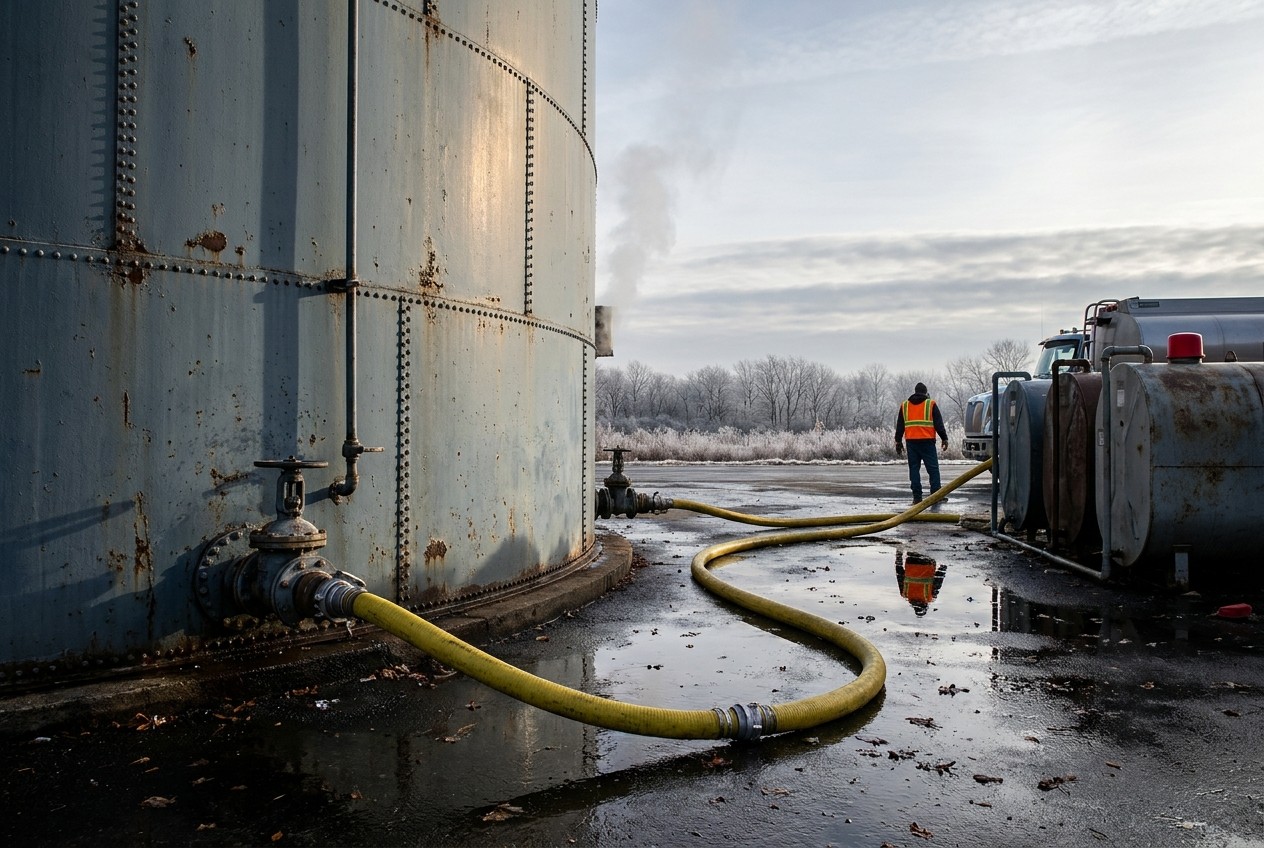
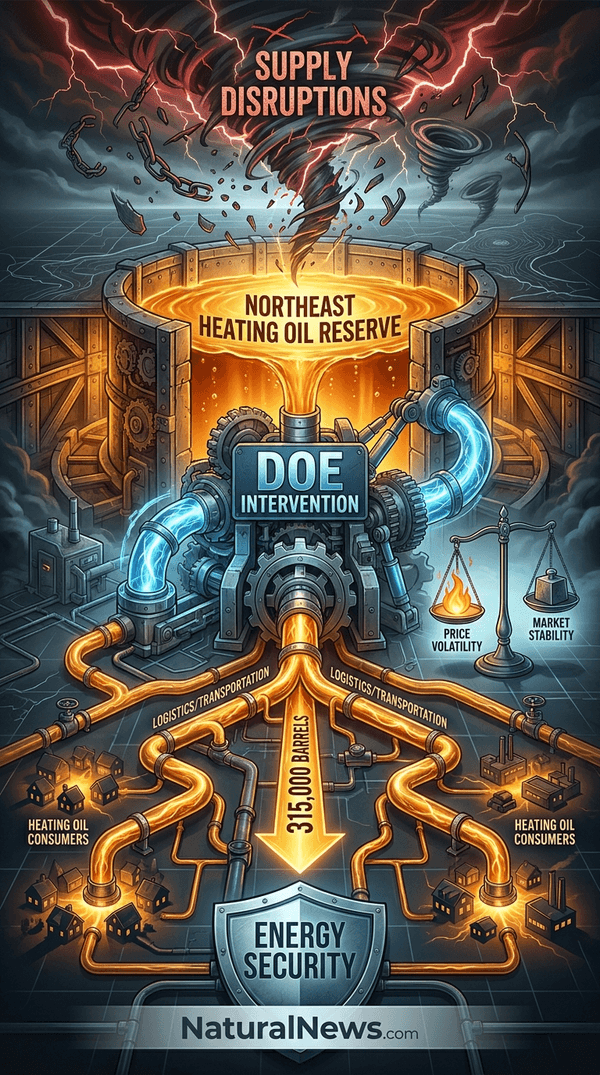
The Department of Energy (DOE) is drawing down the Northeast Home Heating Oil Reserve, making available up to 315,000 barrels of heating oil, according to a post on X by Patrick Humphrey dated Oct. 23, 2026.
The release amounts to roughly one-third of the entire reserve, the post stated. The department cited "SUPPLY CHAIN DISRUPTIONS" as the reason for the action. Barrels are to be drawn from storage sites in South Portland, Maine; Boston, Massachusetts; and New Haven, Connecticut, according to the post. Deliveries are set to be completed by Nov. 13, the post said.
The announcement did not specify how the barrels would be allocated, who would be eligible to receive them, or the exact nature of the supply chain disruptions cited. The DOE did not immediately provide additional details beyond the statements in the post.
Reserve Details and Delivery Schedule
The Northeast Home Heating Oil Reserve is a federal stockpile intended to provide emergency heating oil supply to the Northeast region, according to the post. The reserve is held in storage facilities across the region, with the three locations named in the post serving as the source points for the drawdown.
The release involves up to 315,000 barrels, described in the post as approximately one third of the entire reserve. That characterization implies the full reserve holds roughly 945,000 barrels, though the post did not state a total capacity figure directly.
The post did not specify allocation methods, eligible recipients, or the exact nature of the cited supply chain disruptions. It also did not indicate whether the barrels would be sold, swapped, or otherwise transferred, nor at what price.
Comparison With 2012 Hurricane Sandy Release
The planned release of up to 315,000 barrels is more than 2.5 times the volume released after Hurricane Sandy in 2012, according to the post. Just over 120,000 barrels were released in the aftermath of that storm, the post stated.
The post said the Sandy release was the only other emergency release in the reserve's history. That comparison places the current action among the largest drawdowns from the Northeast Home Heating Oil Reserve since its creation, according to the post.
The Sandy release followed a storm that struck the Northeast in late October 2012, causing widespread power outages and fuel delivery disruptions. The post did not draw a direct comparison between the weather conditions of that event and the supply chain disruptions cited for the current release.
The volume announced for the current release exceeds the Sandy-era drawdown by a factor of roughly 2.6, based on the figures in the post. The post did not provide a year-by-year accounting of reserve levels or prior withdrawals.
Heating Oil Prices and Timing
Heating oil costs were up more than 70% from a year earlier, according to the post, which was published in October. The post linked the reserve release to supply chain disruptions and noted the price increase ahead of the winter heating season.
The delivery deadline of Nov. 13 falls before the typical peak winter demand period in the Northeast, according to the post. That timing places the release in the weeks when households and distributors typically begin building inventories for the coldest months.
The post did not provide a specific price forecast or state how the release might affect retail heating oil costs. It also did not indicate whether the department expected the barrels to reach residential customers directly or through distributors and retailers.
The price increase cited in the post coincides with the same supply chain disruptions that the department identified as the reason for the drawdown. The post did not quantify how much of the price rise was attributed to those disruptions versus other market factors.
Reaction and Unanswered Questions
Public replies to the post included a comment describing prior difficulties affording heating oil in the North and a comment characterizing the release as "Robbing Peter to Pay Paul." The post did not indicate whether the department responded to those comments.
The post did not state how the barrels would be distributed or whether additional releases were under consideration. Questions remained about the duration of the supply disruption and the criteria used to determine the release volume, according to the post.
The post did not identify which agency or office within the department authorized the drawdown, nor did it specify a formal notice or solicitation process for potential recipients.
It remained unclear whether the release would be coordinated with state energy offices in Maine, Massachusetts, and Connecticut, or whether regional distributors would receive allocations directly. The post did not address those operational questions.
Source:
Emergency Oil STOCKPILES just ACTIVATED in Multiple States. https://x.com/PatrickHumphre/status/2113651544323498059
Explainer Infographic








Please contact us for more information.