


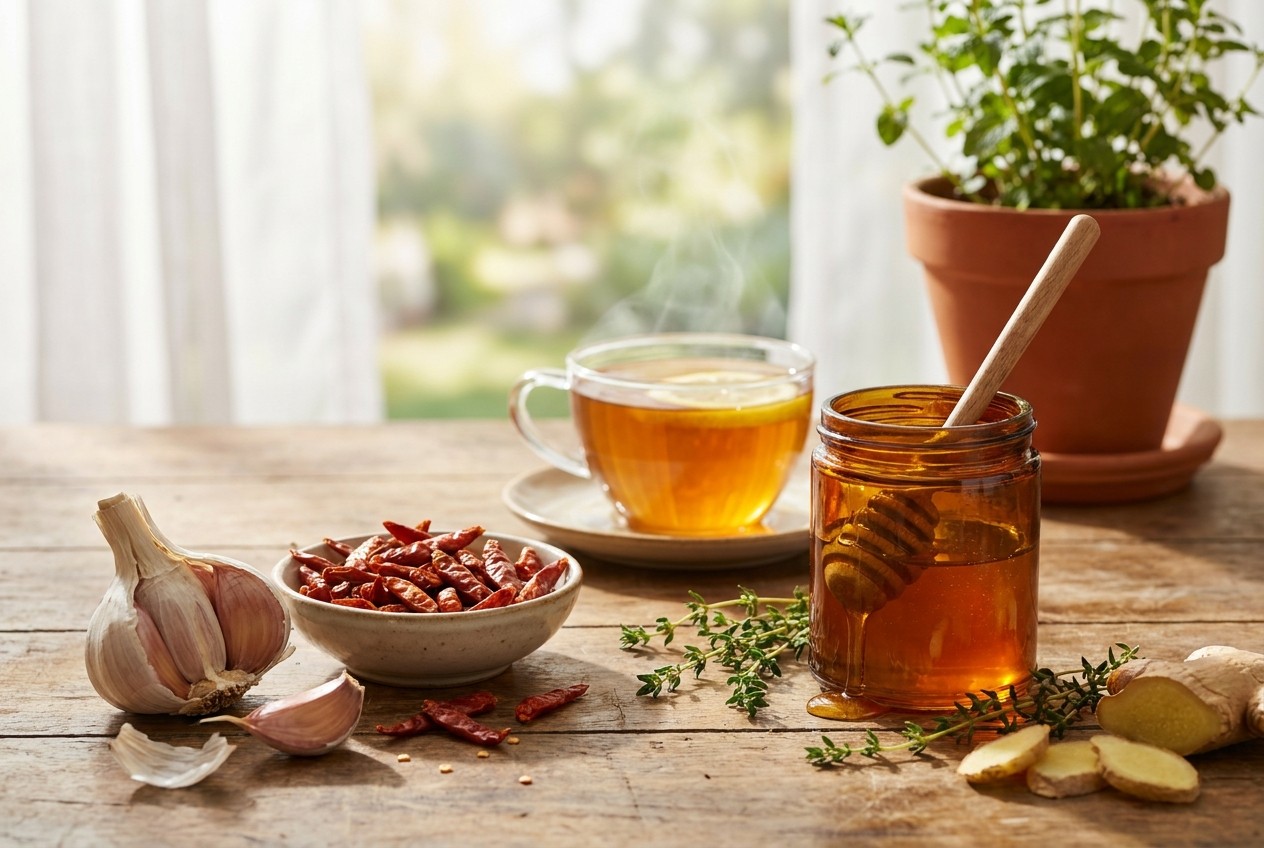
A report published by the Epoch Times describes common kitchen ingredients and daily habits that may support the body during cold and flu season [1][2].
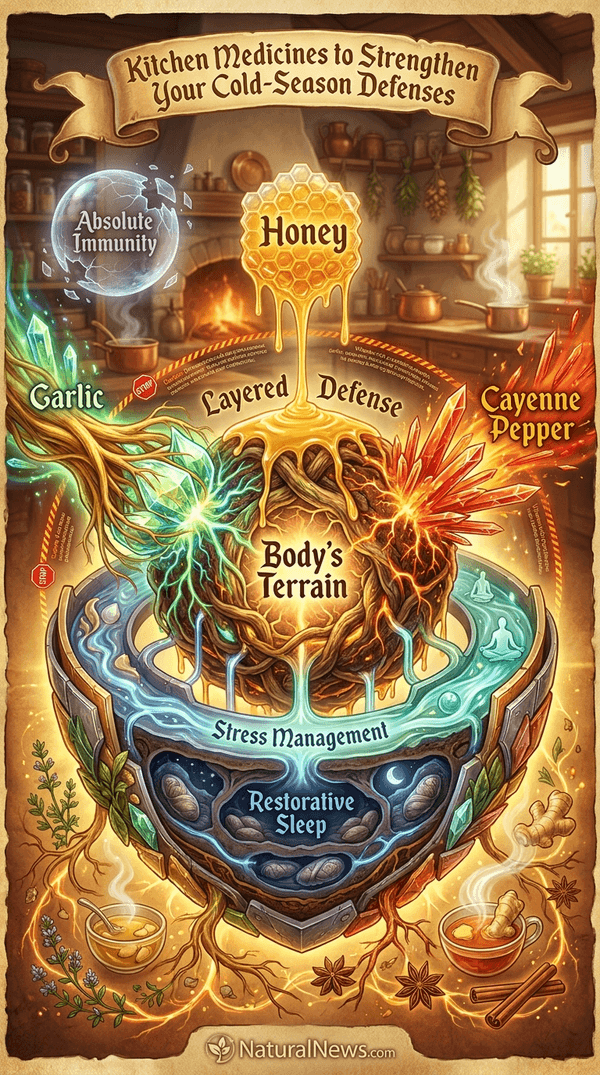
The report names garlic, cayenne pepper, and honey as kitchen medicines and cites stress management and sleep as immune-related factors [2]. Clinical herbalist Kerry Adams, who owns Herbally Yours in New Jersey, is quoted in the report on how she uses garlic and on the role of the body's terrain [2]. The report states that no single herb or habit makes a person immune to cold and flu season [2].
The report's focus on everyday ingredients places the kitchen at the center of a seasonal health routine. It lists garlic, cayenne pepper, and honey among the items that may be used, and it pairs those ingredients with lifestyle factors including stress management and sleep [2]. The approach is presented as supportive rather than preventative in an absolute sense.
Adams' comments in the report address how she uses garlic in her own routine and how she views the body's terrain in relation to illness resistance [2]. The report attributes to Adams the view that the condition of the terrain, rather than the virus or bacteria, is the critical factor for resistance to illness [2]. It frames the ingredients and habits it describes as measures that can help the body stay resilient, not as guarantees against infection [2].
Stress and Sleep as Immune Factors
The report states that consistent, quality sleep is critical for a robust immune system and that sleep deprivation is linked to weaker defenses against infection and higher chronic inflammation [2]. It recommends unplugging from devices and dimming lights an hour or two before bed to support melatonin production and sleep preparation [2]. The report presents these recommendations as habits that may support sleep and, by extension, immune function [2].
Garlic: Kitchen Staple With Antimicrobial Properties
The report describes garlic as an antibacterial, antiviral, antifungal, antiparasitic and anti-inflammatory food [2]. It suggests taking crushed raw garlic with food when a cold is coming on, or using capsules for those who dislike the taste [2].
The report notes that black garlic is fermented until chewy and sweet and has been used in Thailand, South Korea and Japan [2]. Adams told the Epoch Times via email that she adds garlic to thyme and ginger tea and to onion and honey as a cough syrup [2].
The report advises people taking medications or being treated for chronic conditions to speak with a healthcare provider before taking garlic in medicinal doses [2]. Adams cautions against garlic for people with signs of heat such as fever, red eyes, and a red face, and says those using blood-thinning medications or with a history of gastric ulcers or gastritis should be cautious [2]. The report presents these cautions as considerations for people who may be sensitive to garlic or who take medications that could interact with it [2].
Cayenne and Honey: Reported Benefits and Cautions
The report states that cayenne pepper contains vitamin C and vitamins E, A, and B, and that its vitamin A supports healthy mucous membranes in the nose, mouth, and lungs [2]. It suggests adding a pinch of dried cayenne to soups, stews, or teas and increasing the amount gradually, while avoiding cayenne for people with signs of heat and stopping if it causes stomach upset or irritation [2].
Meanwhile, honey's antibacterial, antimicrobial and anti-inflammatory properties have contributed to its long history of being used medicinally [1]. Studies have shown its ability to inhibit various bacteria, fungi and viruses – and stimulate immune cells that fight off these pathogens at the same time. However, people with diabetes and children below the age of one should avoid honey [2].
References
- Kitchen Medicines to Strengthen Your Cold-Season Defenses. https://www.theepochtimes.com/health/from-garlic-to-sleep-building-your-cold-season-defenses-6094890
- Kitchen Medicines to Strengthen Your Cold-Season Defenses. https://shenyun.theepochtimes.com/health/from-garlic-to-sleep-building-your-cold-season-defenses-6094890
Explainer Infographic







Please contact us for more information.