



Saudi Aramco is offering additional crude oil to European refiners for October and November loading, according to Bloomberg, which cited a person familiar with the matter [1][2].
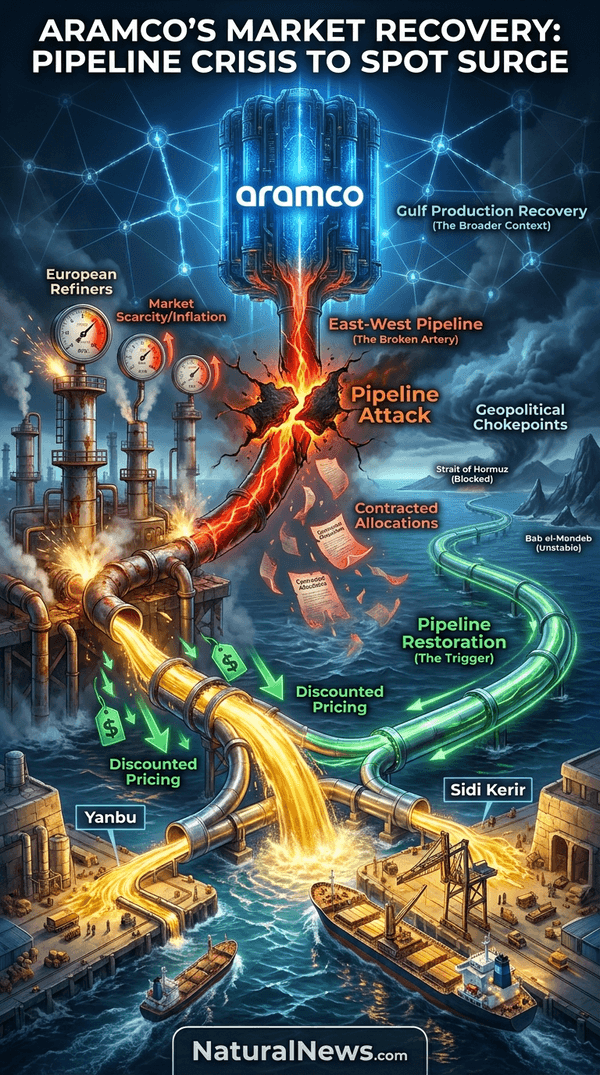
The state-owned oil giant is making late-October spot cargoes available at a discount to its official selling price, with shipments loading from the Red Sea port of Yanbu or Sidi Kerir on Egypt's Mediterranean coast [3][4]. The offers mark a reversal from earlier in the month, when Aramco told European customers they would receive no contracted allocations for October after an attack shut the kingdom's East-West pipeline [5][6].
The company had been offering spot oil cargoes to European buyers for October and November, the report said, a sign the company is looking to make up for lost deliveries [2]. The discounted offers and restored allocations indicate that Saudi oil flows to Europe are recovering after weeks of disruption.
The pipeline attack had forced European refiners to seek replacement barrels in the spot market, traders told Bloomberg [4][7]. With the pipeline now running again, Aramco is moving to reestablish supply relationships and clear the backlog of missed cargoes [8][9].
October Cancellations Followed Pipeline Attack
Earlier in October, Aramco told European refiners that contracted October cargoes would not be delivered after an attack shut down the East-West pipeline, according to the Bloomberg report [5][6]. The pipeline, which carries crude from Saudi Arabia's eastern oil fields to Red Sea export terminals, was knocked out in an attack that also reduced the kingdom's export capacity [10].
The October cancellations sent European refiners into the spot market to seek replacement barrels, traders told Bloomberg [4][7]. The sudden loss of contracted supply forced buyers to scramble for alternative grades, tightening the market for comparable crude and driving up prices for available cargoes. Some Mediterranean trade sources said the missed cargoes were from September as well, according to a Reuters report cited by Khaleej Business Insight [7].
With pipeline operations restored, Aramco is offering spot shipments for October and November, and some October barrels are priced below its official selling price, according to Bloomberg [1][2]. The pipeline restart was reported in late September, when Saudi Arabia resumed oil exports through the East-West pipeline, restoring access to Red Sea loading facilities that bypass the Strait of Hormuz [8]. The restoration of that route has allowed Aramco to offer cargoes from Yanbu and Sidi Kerir once again [3].
Added Saudi Supply Pushes Down Some European Crude Prices
Prices for some crude grades in Europe began to fall this week as additional Saudi supply became available, traders told Bloomberg [11]. The report said some October spot cargoes were offered below Aramco's official selling price, a pricing detail attributed to the person familiar with the matter [1][4].
That demand supported prices for alternative grades in the weeks following the pipeline attack. Now, with Saudi supply returning, the market is adjusting to the added availability. The price impact has been most pronounced in the Mediterranean market, where Sidi Kerir cargoes compete directly with other grades.
Saudi Production Rebounds From Three-Decade Low
The kingdom's output had been curtailed by the pipeline attack and by broader regional hostilities that disrupted export routes [10][12]. The broader Gulf production recovery has added supply to the global market at a time when demand growth has been uncertain. Such arrangements are intended to reduce exposure to regional disruptions and provide more flexibility in supplying Asian and European markets.
Outlook: Export Recovery Continues Amid Regional Risks
The recovery in Saudi exports to Europe is a positive development for refiners that had been forced to pay higher prices for replacement barrels. However, the market remains sensitive to geopolitical developments, and the sustainability of the recovery will depend on whether regional tensions ease.
References
- Saudi Aramco Offers Discounted Oil to Europe as Exports. https://oilprice.com/Latest-Energy-News/World-News/Saudi-Aramco-Offers-Discounted-Oil-to-Europe-as-Exports-Recover.html
- Saudi Aramco Offers Europe More Spot Oil as Supplies Ramp Up. https://www.bloomberg.com/news/articles/2026-10-27/saudi-aramco-offers-europe-more-spot-oil-as-supplies-ramp-up
- Saudi Aramco Offers Discounted Oil to Europe as Exports Recover. https://energyheadlines.com/saudi-aramco-offers-discounted-oil-to-europe-as-exports-recover/
- Saudi Aramco Offers Discounted Oil to Europe as Exports Recover · OilVoice. https://oilvoice.com/news/saudi-aramco-offers-discounted-oil-to-europe-as-exports-recover
- Saudi Aramco Tells European Refiners No Crude Allocations Next Month After Pipeline Attack - NaturalNews.com, September 22, 2026.
- Saudi Aramco halts crude oil supply to European customers. https://www.reddit.com/r/wallstreetbets/comments/1wjtx6i/saudi_aramco_halts_crude_oil_supply_to_european/
- Aramco Offers Europe Extra Crude Cargoes as Saudi Exports Recover After. https://khaleejbusinessinsight.com/aramco-offers-europe-extra-crude-cargoes-as-saudi-exports-recover-after-pipeline-attacks/
- Saudi Arabia Restarts East West Pipeline, Bypassing Strait of Hormuz - NaturalNews.com, September 30, 2026.
- Aramco offers spot oil to Europe as pipeline restarts. https://www.briefs.co/news/saudi-aramco-dangles-spot-crude-to-europe-as-pipeline-comes/
- Saudi Pipeline Attack Removes 700000 Barrels Daily from Oil Exports - NaturalNews.com, April 10, 2026.
- Saudi Aramco Offers Discounted Crude to Europe, Pressuring Brent Prices. https://finscans.com/news/2026/10/27/saudi-aramco-offers-discounted-crude-to-europe-pressuring
- Bright Videos News - TRUMP REGIME UNRAVELING - Mike Adams - BrightVideos.com, March 18, 2026.
Explainer Infographic









Please contact us for more information.