



DeepSeek has unveiled the design of a new “Super-Agent” system intended to coordinate multiple AI assistants, automate complex workflows and reduce the need for human supervision, as the Chinese artificial intelligence company steps up its efforts to compete in the rapidly evolving global AI race.
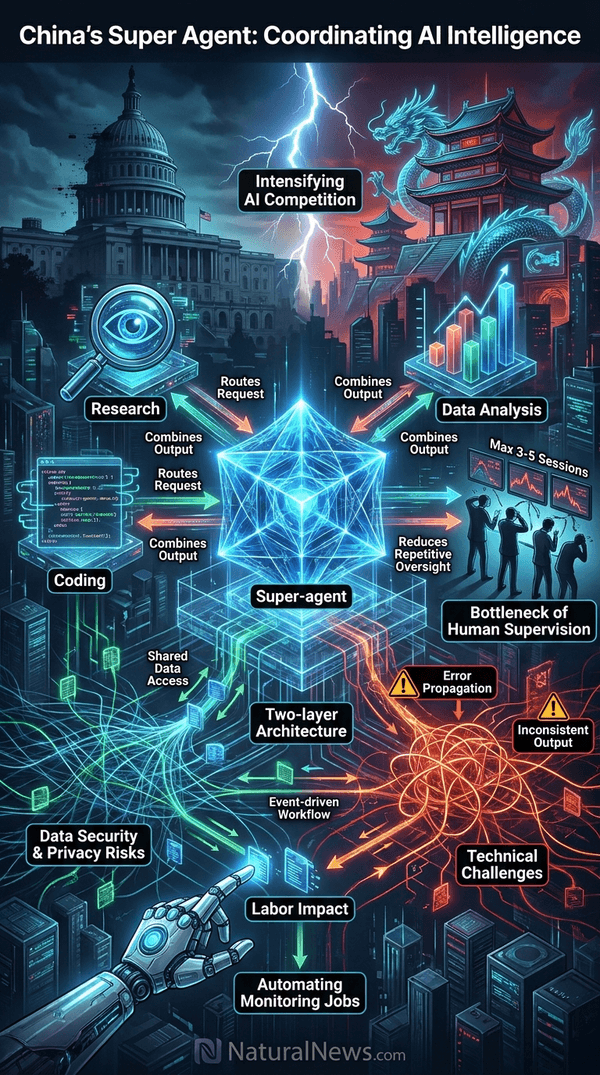
The company identified human oversight as a key bottleneck, estimating that individuals can effectively supervise only three to five active AI agent sessions at a time [1].
According to the company’s published estimate, people can effectively supervise only three to five active AI agent sessions at a time [2]. DeepSeek released the design of the “Super-agent” on October 31, 2026, along with research code for a resident coding agent assigned to a single GitHub repository, according to Xenospetrum [3].
The report did not specify a deployment timeline for a finished product. DeepSeek did not immediately respond to a public request for comment, and no final specifications have been released. The plan places DeepSeek among companies pursuing multi-agent AI architectures, in which specialized assistants handle discrete tasks under a coordinating layer.
Background: DeepSeek and Multi-Agent Systems
DeepSeek has drawn attention in the global AI race since its open-source R1 reasoning model rivaled OpenAI’s models at a fraction of the cost, running on standard hardware despite Western export controls, according to reporting by Kevin Hughes [4].
Multi-agent systems typically assign different assistants to functions such as research, coding, data analysis or customer service. DeepSeek's proposed super agent would coordinate these assistants by routing requests, assigning tasks, monitoring outputs, transferring context and combining results. The design reportedly uses a two-layer architecture, event-driven workflows, asynchronous multichannel interactions and separate storage, according to Tech in Asia [5]. The Outpost reported that the super agent listens to developer group chats, identifies coding problems and suggests solutions without waiting for prompts [6].
The reported architecture centers on a coordinating agent that manages subordinate AI assistants and decides which assistant should handle a given request. The coordinator may monitor outputs, pass context between assistants and call external tools, according to the published design [5].
The plan arrives amid intensifying competition between the United States and China over artificial intelligence. Treasury Secretary Scott Bessent said on Sept. 9 at a Breitbart News event in Washington that the United States cannot afford to fall behind China. “Beating China -- there is no day after tomorrow if China wins at this,” Bessent said [7].
Proposed Architecture and Functions
Coordinating multiple agents presents technical challenges, including error propagation, inconsistent outputs and difficulties auditing decisions made across several systems.
DeepSeek has not published a detailed peer-reviewed technical paper on the super agent, and officials did not provide a launch date.
Oversight, Privacy and Workforce Concerns
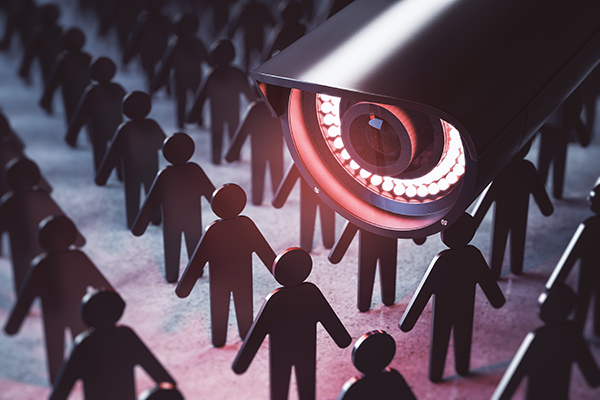
The plan to reduce human supervision raises questions about accountability when coordinated AI agents make errors or produce harmful outputs, researchers said. The balance between efficiency and human oversight remains unresolved, and DeepSeek did not respond to questions about safeguards.
Privacy advocates said multi-agent systems that share data across assistants could increase data-security risks unless access controls are clearly defined. U.S. authorities have separately raised security concerns about DeepSeek’s models.
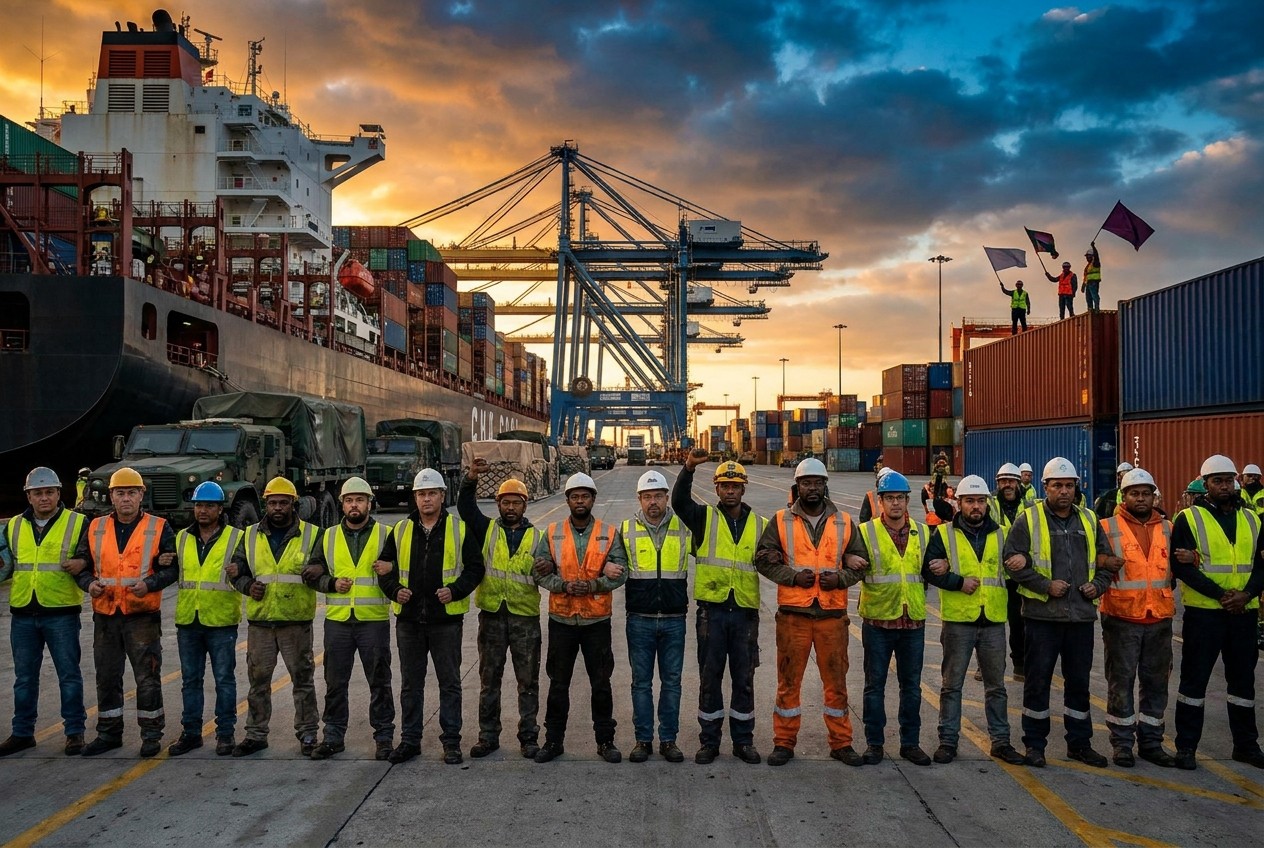
Labor analysts said automation of supervisory tasks could affect jobs that involve monitoring and coordinating AI workflows.
References
- DeepSeek plans ‘super agent’, in race with OpenAI, Anthropic. https://www.pressreader.com/hong-kong/south-china-morning-post-6150/20261102/281749866366987
- DeepSeek proposes experimental super agent to coordinate multiple…. https://letsdatascience.com/news/deepseek-proposes-experimental-super-agent-to-coordinate-mul-cc3cd380
- DeepSeek Releases "Super-agent" Design for Running Multiple AI Coding .... https://xenospectrum.com/en/deepseek-superagent-prototype-permission-boundaries/
- Health Ranger Report Why China will win the AI RACE with Zach Vorhies - NaturalNews.com, July 18, 2025.
- DeepSeek builds 'super-agent' for autonomous coding. https://www.techinasia.com/news/deepseek-builds-superagent-autonomous-coding
- DeepSeek Super-Agent: AI Coding Agent Needs Less Human Input. https://theoutpost.ai/news-story/deepseek-super-agent-monitors-team-chats-to-automate-coding-tasks-with-less-human-supervision-32964/
- "There Is No Day After Tomorrow"; Bessent Warns Of Consequences To Losing AI Arms Race To China. https://www.zerohedge.com/ai/there-no-day-after-tomorrow-bessent-warns-consequences-losing-ai-arms-race-china
Explainer Infographic








Please contact us for more information.