


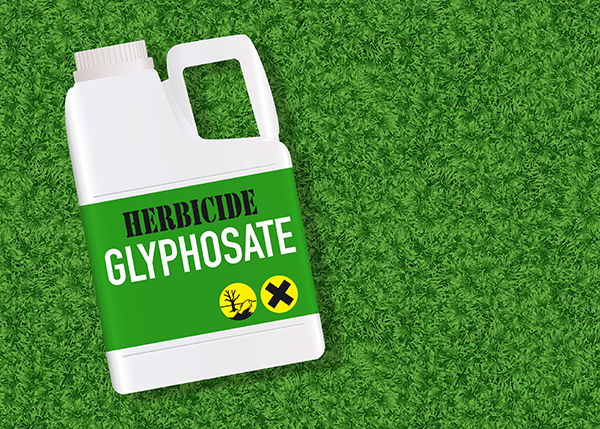
In a development that has reignited the national debate over glyphosate safety, U.S. researchers have uncovered new evidence suggesting the widely used herbicide may cause cancer and other serious health risks. The findings, funded by the federal government, come as the Environmental Protection Agency (EPA) faces mounting pressure to re-evaluate its long-standing position that glyphosate is not likely to be carcinogenic. This news arrives amid Bayer AG’s efforts to finalize a $10 billion settlement over lawsuits linking glyphosate-based Roundup to cancer, and as global regulators scrutinize the chemical’s role in public health. The story of glyphosate—a key ingredient in Monsanto’s Roundup, now owned by Bayer—has become a flashpoint in the struggle between corporate influence, scientific integrity, and public health.
New Research Casts Doubt on Glyphosate’s Safety
The National Institute of Environmental Health Sciences (NIEHS) has released preliminary studies indicating a “positive association” between glyphosate exposure and lymphohematopoietic cancers, including non-Hodgkin lymphoma. These findings, part of a government-funded review of animal and human studies, suggest that glyphosate-based herbicides (GBHs) may pose cancer risks despite the EPA’s repeated assurances to the contrary. The research, though not yet peer-reviewed, builds on the 2015 classification by the International Agency for Research on Cancer (IARC), which labeled glyphosate a “probable human carcinogen.”
The NIEHS studies highlight that glyphosate exposure is “nearly ubiquitous,” with the chemical frequently detected in human urine. Researchers note that even small increases in cancer risk could translate to significant public health consequences due to the chemical’s widespread use in agriculture, landscaping, and home gardens. The findings also point to animal studies showing tumor responses in mice and rats, raising concerns about glyphosate’s effects on human biology.
EPA’s Stance Under Scrutiny
For decades, the EPA has maintained that glyphosate is safe, relying on outdated studies from the 1970s and 1980s. Critics argue that the agency has long been influenced by industry interests, particularly Monsanto, which first developed glyphosate in the 1970s. The EPA’s 1993 approval of glyphosate was based on data from Hazleton Laboratories, a facility later exposed for scientific misconduct, including falsified experiments and improper animal care. This history has fueled accusations that the EPA prioritizes corporate profits over public health.
In September 2023, the EPA announced a partnership with the Department of Health and Human Services (HHS) to “expand the evidence” for its glyphosate registration review. The agency claims it is evaluating all relevant studies, including the NIEHS findings, but critics say its process remains biased. Nathan Donley of the Center for Biological Diversity called the EPA’s pesticide office a “mockery of science,” accusing it of parroting industry talking points.
Industry Influence and Legal Battles
Bayer’s acquisition of Monsanto in 2018 brought the glyphosate controversy into the courtroom. Over 130,000 plaintiffs have sued Bayer over claims that Roundup caused non-Hodgkin lymphoma. In 2018 and 2019, juries awarded plaintiffs multi-million-dollar verdicts, though many were later overturned or settled. The company now seeks to finalize a $10 billion class-action settlement, which would resolve most but not all claims.
The legal battles underscore a broader conflict between industry and science. Researchers like Daniele Mandrioli of the Ramazzini Institute argue that independent studies, such as the NIEHS review, are critical to understanding glyphosate’s risks. “The evidence is clear,” Mandrioli said. “Regulators must act on what the science tells us, not what industry wants us to ignore.”
The Road Ahead: What’s Next for Glyphosate?
The EPA’s upcoming review of glyphosate could have far-reaching implications. The agency plans to consider new data on exposure pathways, health effects, and emerging research areas like the microbiome. However, public health advocates warn that the process may still be swayed by industry lobbying. Dave Andrews of the Environmental Working Group urged the EPA to “take meaningful action” to protect Americans from glyphosate, citing the NIEHS findings as a turning point.
As the debate continues, the question remains: Will the EPA finally confront its history of industry influence, or will glyphosate remain a staple of American agriculture and lawns? For now, the public is left to navigate conflicting messages from regulators and scientists, with their health hanging in the balance.
Conclusion
The resurgence of glyphosate cancer concerns marks a pivotal moment in the fight for transparency and accountability in chemical regulation. The NIEHS research, coupled with the EPA’s re-evaluation and Bayer’s legal struggles, highlights the urgent need for independent science to guide public policy. As Americans grapple with the risks of a chemical once deemed safe, the stakes have never been higher. The EPA’s final decision in 2024 could redefine the future of glyphosate—and set a precedent for how the U.S. balances corporate interests with the health of its citizens.
Reference
- US researchers find new evidence that glyphosate may cause cancer. https://www.thenewlede.org/2026/11/us-researchers-find-new-evidence-that-glyphosate-may-cause-cancer











Please contact us for more information.