


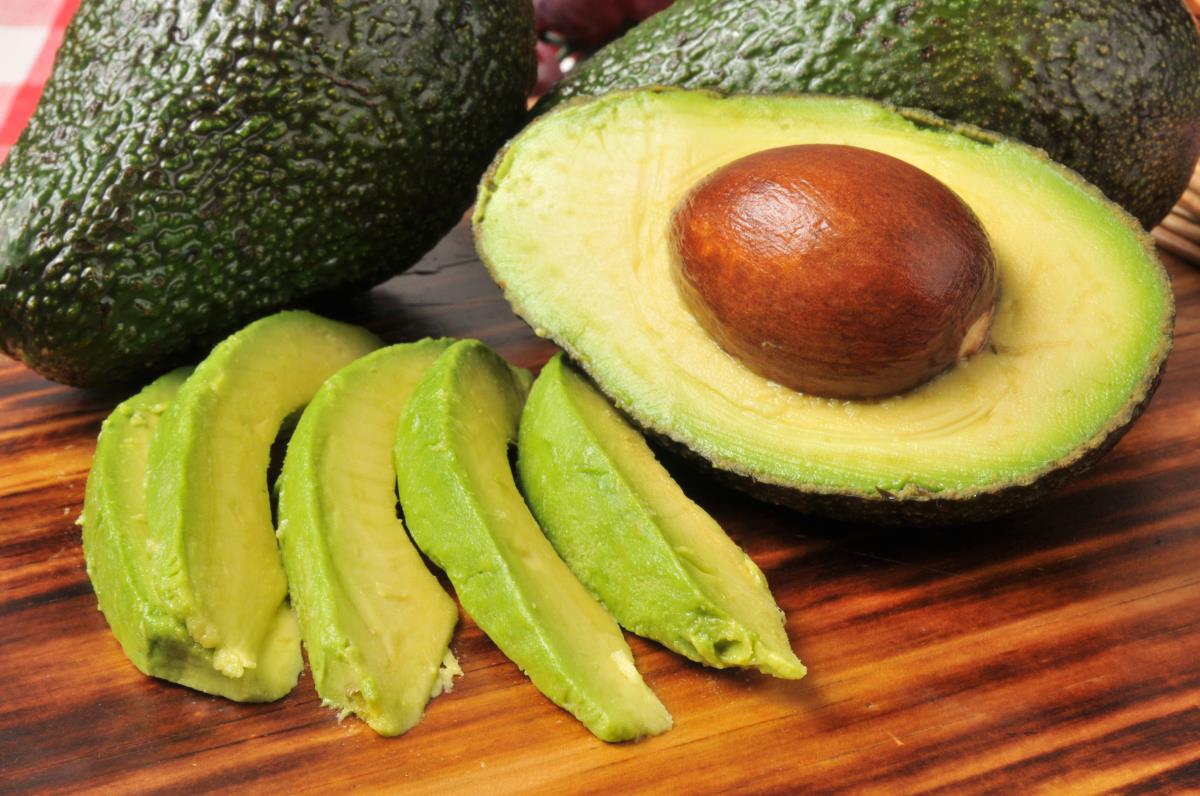
- Avocados are packed with essential nutrients, including healthy fats, fiber, vitamins, and minerals.
- They support heart health, digestion and immune function while reducing inflammation.
- Avocado seeds are nutrient-dense and can be consumed for additional health perks.
- Proper absorption techniques maximize avocado’s nutritional benefits.
- Avocados are great in smoothies when paired with blueberries and bananas.
Avocados are more than just a trendy superfood — they’re a nutritional powerhouse packed with essential nutrients that support heart health, digestion, immunity, and more. Their versatility in meals, combined with their dense nutrient profile, makes them one of the healthiest fruits available. Backed by 125 scientific studies reviewed by the Hass Avocado Board, avocados have been proven to offer a wide range of benefits, from reducing inflammation to enhancing eye health.
But to maximize these benefits, it’s crucial to understand how to properly prepare, pair, and consume avocados. Their nutrients — particularly fat-soluble vitamins — require optimal absorption strategies. Additionally, many people overlook the health potential of avocado seeds, which contain high levels of antioxidants and fiber.
The nutritional breakdown: Why avocados are a superfood
1. Rich in healthy monounsaturated fats (MUFA)
Avocados are primarily composed of oleic acid, a monounsaturated fat also found in olive oil. This fatty acid helps:
- Lower LDL ("bad") cholesterol, reducing the risk of clogged arteries.
- Maintain HDL ("good") cholesterol, supporting cardiovascular health.
- Reduce inflammation linked to chronic diseases like diabetes and heart disease.
Studies show that consuming one avocado per day can significantly improve lipid profiles while promoting satiety, making it a smart addition to weight management diets.
2. High fiber content for digestive & gut health
A half-serving (about 80g) delivers 6-7 grams of fiber — both soluble and insoluble, which:
- Feeds beneficial gut bacteria, fostering a balanced microbiome.
- Regulates digestion, preventing constipation and bloating.
- Helps control blood sugar spikes by slowing carbohydrate absorption.
The fiber in avocados supports long-term metabolic health, making them ideal for individuals with insulin resistance or diabetes.
3. Essential vitamins for immunity & vitality
Avocados are loaded with fat-soluble vitamins, which are best absorbed when paired with healthy fats:
- Vitamin K (26% DV per serving) – Essential for blood clotting and bone strength.
- Vitamin E – Acts as a potent antioxidant, protecting cell membranes from oxidative damage.
- B Vitamins (B5, B6, Folate) – Help convert food into energy, support brain function, and aid fetal development (crucial for pregnant women).
Avocados retain these nutrients efficiently, especially when consumed fresh.
4. Key minerals that regulate vital functions
- Potassium (more than bananas!) – Helps balance sodium levels, regulating blood pressure and preventing hypertension.
- Magnesium – Relaxes muscles and nerves, reduces inflammation, and supports restful sleep.
- Copper & Iron – Critical for oxygen transport and preventing fatigue-related anemia.
These minerals work synergistically to enhance cellular energy production and muscle function.
5. Antioxidants that combat aging & inflammation
Avocados are an exceptionally rich source of:
- Lutein & Zeaxanthin – Protects the retina from blue light and oxidative stress, reducing risks of macular degeneration.
- Glutathione – The "master antioxidant" that detoxifies the body and slows cellular aging.
- Polyphenols – Reduce chronic inflammation, which is linked to cancer and neurodegenerative diseases.
These compounds work best when paired with vitamin C-rich foods (like citrus or bell peppers) to boost bioavailability.
Don’t waste the seed! Health benefits of avocado pits
Most people discard avocado seeds — but they contain 70% of the fruit’s antioxidants! Research suggests that the pit has:
- Strong anti-inflammatory effects (helps lower digestive irritation).
- Immune-boosting polyphenols (more than green tea!).
- Potential blood sugar-regulating properties (studies show its extract may aid diabetes management).
How to use avocado seeds:
- Remove the brown skin, dry the seed overnight.
- Grate or grind it into powder (a coffee grinder works).
- Add to smoothies, teas or soups (start with small amounts — it has a slightly bitter taste).
(Note: Excessive intake may cause digestive discomfort — moderation is key.)
How to maximize avocado’s nutritional benefits
Absorption tips:
- Pair with other healthy fats (olive oil, nuts, seeds) to enhance absorption of vitamins A, D, E, and K.
- Eat with vitamin C-rich foods (lime, bell peppers, citrus) to increase iron uptake.
- Avoid overheating – Raw or minimally cooked avocados retain more nutrients.
Best ways to incorporate avocados:
- Smoothies: Blend with spinach, dragon fruit, blueberries, banana, and flax seed for a nutrient-packed drink.
- Salads: Add slices with olive oil and lemon juice for better nutrient uptake.
- Guacamole: Combine with lime, tomatoes, and cilantro for extra vitamin C benefits.
- Avocado toast: Top with poached eggs for a complete protein-fat meal.
- Desserts: Use in chocolate mousse or pudding as a dairy-free, low-sugar alternative.
Avocados are a nutritional goldmine, but their benefits are optimized through smart pairings and preparation methods. Whether you're improving heart health, digestion, or skin vitality, integrating avocados daily — along with their seeds — can be a game-changer for long-term wellness. Always choose ripe, slightly soft avocados (dark green/yellow inside) for peak nutrient density. Store unripe ones at room temperature and refrigerate once ripe to extend freshness.
Sources include:






Please contact us for more information.