


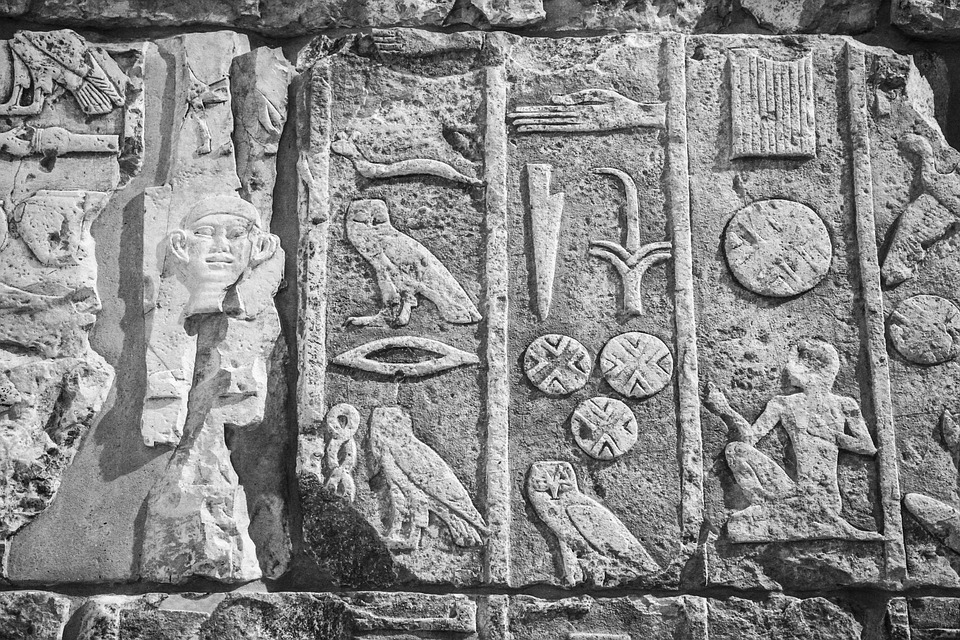
For centuries, skeptics have dismissed the biblical account of Moses as myth, insisting there is no historical evidence of the great prophet who led the Israelites out of Egypt. But a startling discovery in an ancient turquoise mine could rewrite history and silence the doubters. A cryptic 3,800-year-old inscription, etched into the rock walls of Egypt’s Sinai Peninsula, may bear the earliest known words of Moses: "This is from Moses." If verified, this finding would not only validate the biblical narrative but expose the deliberate suppression of evidence that challenges mainstream historical dogma.
Key points:
- Researcher Michael Bar-Ron claims a Proto-Sinaitic inscription in an Egyptian mine reads "zot m'Moshe" — Hebrew for "This is from Moses."
- The markings, found near defaced references to Egyptian gods, suggest a religious conflict between Semitic laborers and their Egyptian overlords.
- Mainstream scholars dismiss the interpretation, but Bar-Ron’s advisor confirms the reading, stating, "You're absolutely correct, I read this as well, it is not imagined!"
- The inscriptions reference slavery, overseers, and a violent rejection of pagan worship, aligning with the biblical Exodus narrative.
- A burned temple and references to a "Gate of the Accursed One" hint at rebellion against Pharaoh’s authority—possibly linked to the plagues described in Exodus.
A linguistic bombshell buried in stone
The inscriptions at Serabit el-Khadim were first discovered in the early 1900s but remained shrouded in mystery. Written in Proto-Sinaitic, the earliest known alphabetic script, these carvings were likely the work of Semitic-speaking slaves or laborers under Egyptian rule. Bar-Ron, after eight years of painstaking analysis using high-resolution imaging and 3D scans, believes one phrase stands out: "zot m'Moshe."
Mainstream Egyptologists, like Dr. Thomas Schneider of the University of British Columbia, dismiss the claim as "completely unproven and misleading." Yet Bar-Ron’s academic advisor, Dr. Pieter van der Veen, supports the interpretation, adding credibility to the explosive assertion. The reluctance of establishment scholars to entertain the possibility speaks volumes — why the resistance to evidence that could affirm biblical history?
A spiritual war etched in stone
The mine walls tell more than just a name. They reveal a spiritual battleground. Inscriptions praising the Egyptian goddess Ba?alat appear deliberately scratched out, replaced with invocations to "El," the God of early Israelite worship. This defacement suggests a dramatic shift — a rejection of pagan idolatry in favor of monotheism.
Bar-Ron describes the scene as "ground zero for this conflict." The workers, possibly Hebrew slaves, were not merely laborers but spiritual insurgents, chiseling away at the symbols of their oppressors. A burned temple dedicated to Ba?alat and references to a "Gate of the Accursed One" — likely Pharaoh’s gate — paint a picture of defiance, echoing the biblical account of Moses confronting Egypt’s rulers.
The shadow of Joseph and the forgotten exodus
The inscriptions also hint at the presence of Semitic elites in Egypt, possibly linked to the biblical Joseph. A seal belonging to an Asiatic high official and the "Stele of Reniseneb" suggest that Semites held positions of power before their fall into slavery. This aligns with Genesis, where Joseph rises to prominence under Pharaoh before his descendants are later enslaved.
Could Amenemhat III, the pharaoh who commissioned the mines, be the same ruler who oppressed the Israelites? Some scholars think so. His reign was marked by massive construction projects—precisely the kind of forced labor described in Exodus. The mine’s abrupt abandonment, coupled with evidence of violence, raises the question: Did the workers flee, following a prophet named Moses?
The truth will not stay buried
The establishment’s knee-jerk dismissal of Bar-Ron’s findings reveals a deeper bias. For decades, academia has treated the Bible as folklore while ignoring archaeological evidence that contradicts their secular narratives. But as more discoveries emerge — from the Dead Sea Scrolls to the ruins of Jericho — the historical reliability of Scripture becomes harder to deny.
This inscription, if confirmed, is more than an academic curiosity. It is a testament to the enduring truth of God’s Word, preserved across millennia despite the efforts of skeptics. The stones cry out — will the world listen?
Sources include:





Please contact us for more information.