


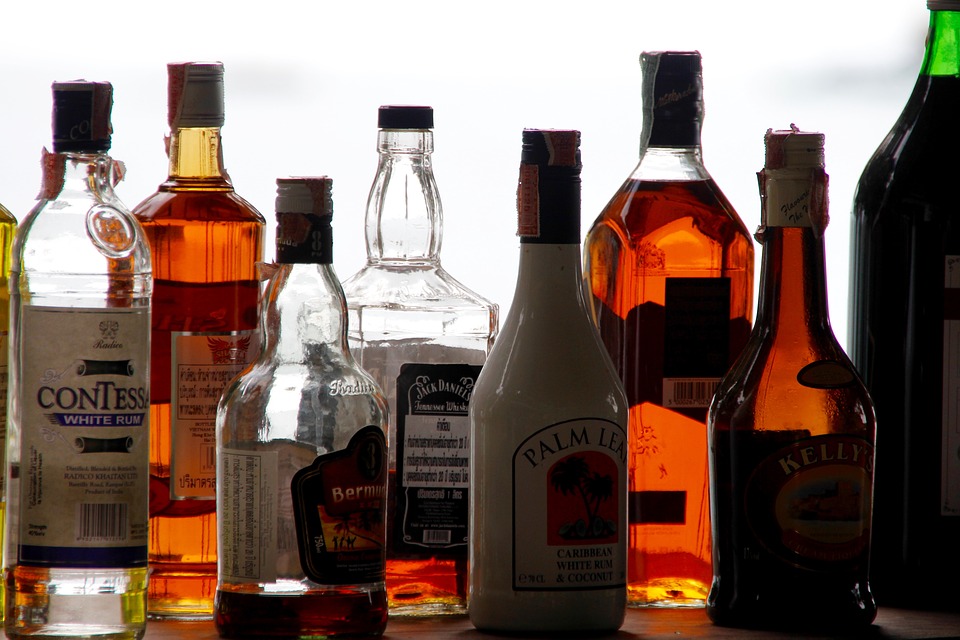
- Regular alcohol consumption rewires the pancreas at the cellular level, increasing the risk of deadly pancreatic cancer.
- Just eight drinks weekly for women and 15 for men can trigger irreversible damage, leading to pre-cancerous lesions.
- Alcohol-induced inflammation permanently alters pancreas cells, especially when combined with a mutation in the Ras gene.
- Disabling the CREB gene halted cancer progression, offering a potential future treatment target.
- No safe level of alcohol exists for cancer risk, with even small amounts increasing pancreatic cancer likelihood.
If you think that nightly glass of wine or those weekend beers are harmless, think again. Groundbreaking research from the University of Miami has exposed the horrifying truth: Regular alcohol consumption doesn’t just damage your liver; it rewires your pancreas at the cellular level, turning healthy tissue into a breeding ground for one of the deadliest cancers known to man.
Scientists at Sylvester Comprehensive Cancer Center have uncovered the sinister mechanism behind alcohol-induced pancreatic cancer, a disease that claims more than 52,000 American lives yearly. Their study, published in Cellular and Molecular Gastroenterology and Hepatology, reveals that alcohol triggers inflammation so severe it permanently alters pancreas cells, setting the stage for a "silent killer" with a five-year survival rate as low as 10%. Worse yet? The threshold for danger is shockingly low: just eight drinks weekly for women and 15 for men.
Alcohol’s biochemical betrayal
The pancreas, a vital organ responsible for digestion and blood sugar regulation, is ravaged by alcohol’s toxic effects. Researchers found that alcohol damages acinar cells, which produce digestive enzymes. This damage sparks chronic inflammation, leading to pre-cancerous lesions. But here’s the kicker: For cancer to take hold, a mutation in the Ras gene—common in pancreatic tumors—must also be present.
In experiments, the team recreated alcohol-induced inflammation in models with Ras mutations. The result? A cascade of cellular chaos. "CREB is not just a mediator of inflammation," said senior author Dr. Nagaraj Nagathihalli. "It’s a molecular orchestrator that permanently converts acinar cells into precancerous cells."
A glimmer of hope... but there's no "safe" level of drinking
The study’s most explosive finding? Disabling the CREB gene halted cancer progression entirely, even with continued alcohol exposure. "We believe this study lays the groundwork for future translational efforts targeting CREB as a therapeutic vulnerability in inflammation-associated pancreatic cancer," said co-author Dr. Nipun Merchant.
But don’t celebrate with a cocktail just yet. The research confirms that there is no safe level of alcohol consumption when it comes to cancer risk. The U.S. Surgeon General classifies alcohol as the third-leading preventable cause of cancer, linked to at least seven types, including pancreatic, breast, and liver cancers. A UN study of 2.5 million people found each extra 10 grams of alcohol daily (less than one drink) raised pancreatic cancer risk by 3%. Men consuming 60+ grams (4+ drinks) daily faced a 36% higher risk.
The "silent killer’s" deadly rise
Pancreatic cancer’s lethality lies in its stealth. Symptoms such as weight loss, fatigue, and jaundice often appear too late. Survival rates are grim: just 10% after one year, plummeting to 1% by year three. Disturbingly, cases are rising among younger adults, although experts debate whether better diagnostics or lifestyle factors (like alcohol and processed meats) are to blame.
Big Beverage won’t tell you this, but the science is unequivocal. As Dr. Adam Scioli, an addiction specialist, stated: "Alcohol is a toxin." Even the Distilled Spirits Council conceded the study found no significant risk until drinking "exceeded moderation"—a loophole that ignores the cumulative damage of "moderate" habits.
The Miami study is a wake-up call for a society drowning in alcohol marketing. With Big Alcohol mirroring Big Tobacco’s playbook, downplaying risks while funding dubious "health benefits" studies, consumers deserve radical transparency. Warning labels, long resisted by industry lobbyists, are a bare minimum.
But the real power lies in personal choice. As Dr. Neha Pathak warned, "There really isn’t a safe level of drinking when it comes to cancer risk." For those valuing longevity, the solution is clear: Opt out. Your pancreas and your future self will thank you.
Sources for this article include:










Please contact us for more information.