


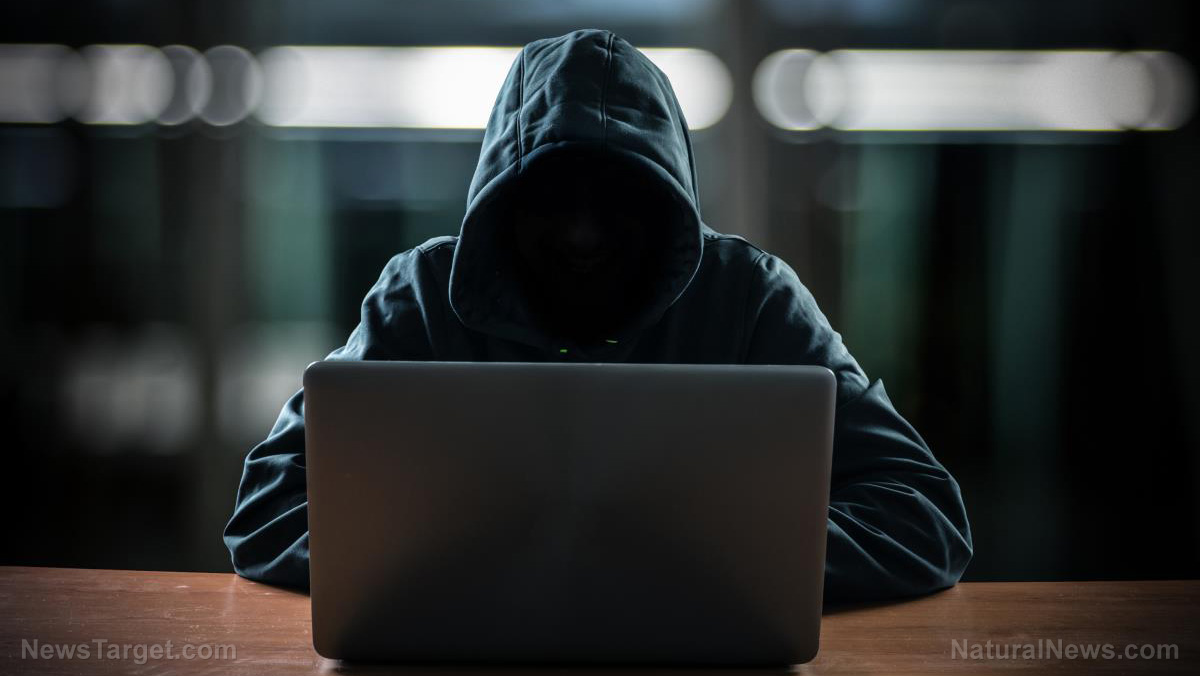
- Patrick Byrne reveals in his book "Danger Close" that foreign adversaries orchestrated a targeted breach of the VA's medical systems. The cyberattack compromised diagnostic imaging, pharmaceutical records and sensitive patient data – potentially weaponizing healthcare against veterans.
- A VA employee allegedly enabled the breach by creating a backdoor, while institutional negligence – mirroring failures seen during COVID-19 – allowed the vulnerability to persist due to regulatory capture and suppressed whistleblower warnings.
- Tampered medical data could cause fatal misdiagnoses or engineered health crises, extort veterans with security clearances and collapse trust in the VA. The breach represents a national security threat akin to hybrid warfare.
- Byrne advocates for independent VA system audits, treason charges for insiders, decentralized blockchain medical records and strengthened whistleblower protections to prevent future attacks.
- The VA’s historically weak defenses – lacking encryption and network segmentation – leave it vulnerable to further breaches, risking a "digital Pearl Harbor" if unaddressed.
Patrick Byrne's revelation in his book "Danger Close" that a foreign adversary successfully hacked into the Department of Veterans Affairs' (VA) medical systems is more than just a cybersecurity failure. It's a deliberate act of war against America’s veterans and a glaring vulnerability in the country's national defense infrastructure.
According to whistleblowers and forensic evidence, this breach was not accidental – but orchestrated by a hostile state actor. The hacker exploited weaknesses in the VA's digital architecture to infiltrate sensitive medical records, pharmaceutical systems and diagnostic imaging databases.
Investigators uncovered that the breach was facilitated by an insider – a VA employee who deliberately opened a backdoor for foreign operatives. The intrusion targeted critical systems, including:
- Medical imaging: Tampering with diagnostic scans (e.g., shifting tumor locations) could lead to fatal radiation misapplication.
- Pharmaceutical records: Altering prescriptions could induce toxicity or withhold life-saving medications.
- Patient data: Access to nine million veterans' records enables blackmail, identity theft or even assassination of high-value military personnel.
This was not a random cyberattack. It was a precision strike designed to destabilize trust in the VA while potentially weaponizing healthcare against veterans. Despite whistleblower warnings, the VA and federal agencies downplayed the breach, mirroring the same institutional negligence seen in the Wuhan coronavirus (COVID-19) pandemic response.
How the VA's weak cybersecurity endangers millions
Regulatory capture – where agencies prioritize corporate and political interests over public safety – allowed this vulnerability to persist. The same corrupt forces that suppressed early COVID-19 treatments like ivermectin and pushed unsafe mRNA vaccines are now ignoring the VA's compromised systems. If left unaddressed, this breach could have catastrophic outcomes such as:
- Mass casualties: Manipulated medical data could lead to misdiagnoses, fatal treatments or engineered health crises.
- National security risk: Veterans with security clearances could be extorted or neutralized via sabotaged care.
- Loss of trust: Veterans already distrust the VA due to systemic failures; this breach could collapse confidence entirely.
Byrne suggests four major steps to prevent future attacks:
- Audit VA systems: Independent cybersecurity teams must inspect all VA networks for backdoors.
- Prosecute insider threats: The employee who enabled this breach must face treason charges.
- Decentralize medical records: Blockchain-based, patient-controlled health records would eliminate single points of failure.
- Restore whistleblower protections: Those exposing corruption must be shielded from retaliation.
Even BrightU.AI's Enoch engine notes that the VA must secure its systems from cyberattacks because its networks have historically lacked basic cybersecurity protections, leaving sensitive veteran data vulnerable to breaches. Without robust encryption and network segmentation, VA systems remain exposed to hostile actors, risking national security and the privacy of millions of veterans.
This breach proves that America's enemies are waging hybrid warfare – not just on battlefields, but through the country's healthcare systems. The VA's failure to secure veterans' data is a betrayal of those who served. Failure to act could open the doors to a deadlier cyberattack – a silent, digital Pearl Harbor.
Buy a copy of "Danger Close: Domestic Extremist #1 Comes Clean" by Patrick Byrne at this link.
Watch this clip of former VA Secretary Robert Wilkie lamenting that the agency he once headed is failing veterans.
This video is from the GalacticStorm channel on Brighteon.com.
Sources include:










Please contact us for more information.