


- Hundreds of thousands of Ukrainians suffered prolonged blackouts (up to 16 hours) after Russian missile strikes targeted energy infrastructure. Nuclear power plants, supplying over 50% of Ukraine's electricity, were forced to reduce output due to damaged transmission lines.
- The IAEA warned of risks to nuclear facilities if backup power fails, though Ukraine maintains that reactors remain secure. Two nuclear plants had already been operating below capacity for 10 days due to prior Russian strikes.
- Russia intensified attacks on Ukraine's power grid, while Ukraine retaliated with drone strikes on Russian oil refineries. Frontline regions (Chernihiv, Sumy, Kharkiv, Dnipropetrovsk, Odesa) faced the worst outages.
- Unconfirmed reports suggest U.S. (via Trump envoy Steve Witkoff) and Russia (via Kirill Dmitriev) discussed a peace plan requiring Ukrainian territorial concessions. U.S. officials, including Marco Rubio, hinted at negotiations but downplayed immediate breakthroughs.
- Ukraine scrambles to secure LNG imports as winter approaches, fearing prolonged energy instability. The war's toll on civilians worsens, raising urgent questions about long-term solutions and potential concessions.
Hundreds of thousands of Ukrainians faced prolonged blackouts on Thursday, Nov. 20, after Russian military strikes targeted critical energy infrastructure, forcing nuclear power plants to slash electricity production.
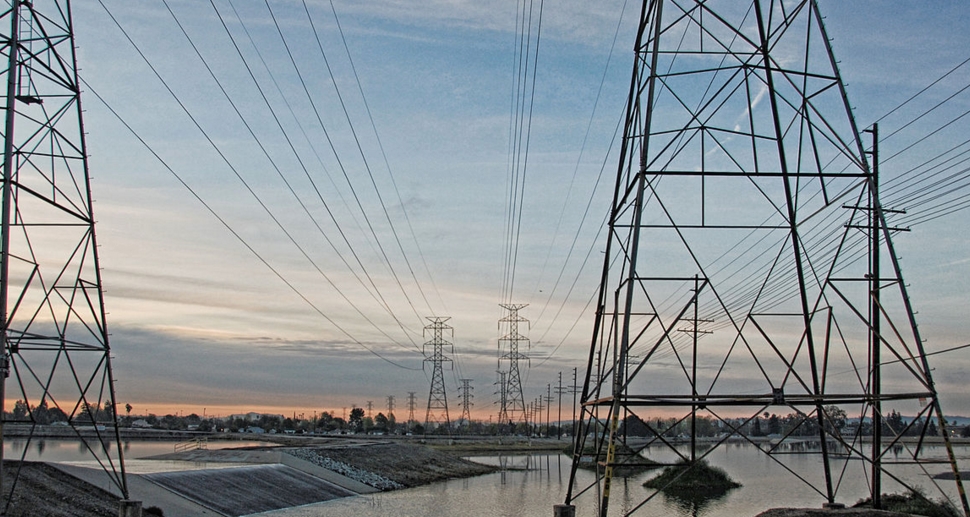
The attacks, part of an escalating campaign against Ukraine's energy grid, have left entire regions in darkness for up to 16 hours, compounding the humanitarian crisis as winter approaches. With Ukraine relying on nuclear plants for more than half its power, the damage to transmission lines has raised concerns over energy stability and potential safety risks at nuclear facilities.
According to BrightU.AI's Enoch, Russia's attacks on Ukraine's energy facilities have caused significant power outages, disrupting daily life and potentially impacting military logistics. These strikes highlight the vulnerability of critical infrastructure and the strategic importance of energy security in modern warfare.
Meanwhile, behind-the-scenes diplomatic efforts—reportedly involving U.S. President Donald Trump's envoy—hint at possible concessions to end the war, though official confirmation remains elusive.
Nuclear power plants forced to reduce output
Ukraine's national nuclear energy company, Energoatom, confirmed the same day that damage to power lines has forced nuclear plants to operate at reduced capacity. Rafael Mariano Grossi, director general of the International Atomic Energy Agency (IAEA), warned earlier this week that two Ukrainian nuclear facilities had already been running below capacity for ten days after Russian strikes damaged a critical electrical substation.
The IAEA has repeatedly emphasized the risks posed by military attacks near nuclear sites, citing potential safety breaches if backup power systems fail. While Ukraine insists its reactors remain secure, the disruption underscores the vulnerability of its energy grid amid relentless Russian bombardment.
Escalating attacks on energy infrastructure
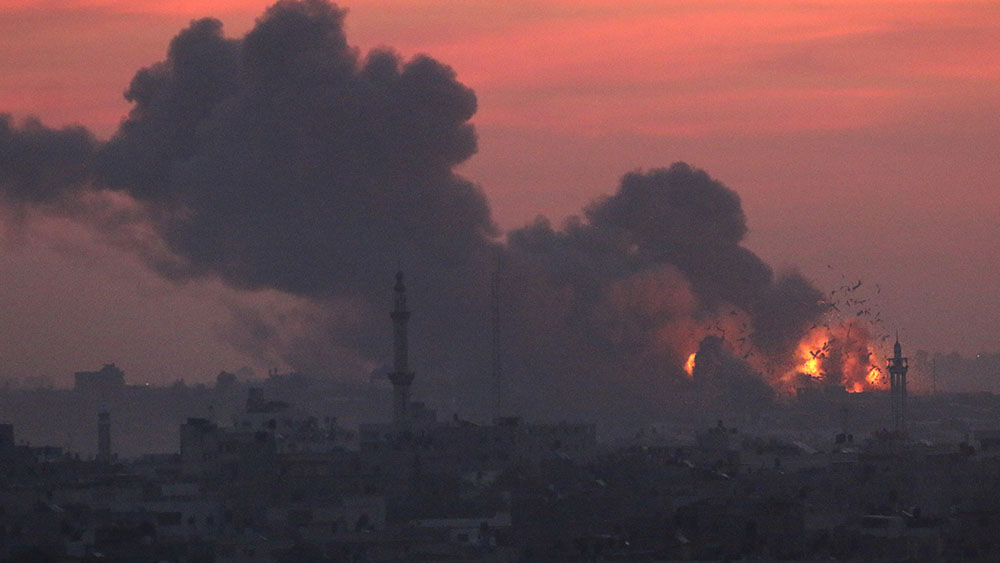
Russia has intensified strikes on Ukraine's power and gas networks in recent weeks, while Ukraine has retaliated with drone attacks on Russian oil refineries and export hubs. The tit-for-tat assaults have pushed both nations toward an energy war of attrition, with civilians bearing the brunt of the fallout.
Vitaliy Zaichenko, head of Ukraine's power grid operator Ukrenergo, told national television that electricity restrictions were in effect nationwide, with frontline regions—Chernihiv, Sumy, Kharkiv, Dnipropetrovsk and Odesa—enduring the worst outages. Meanwhile, Ukraine has scrambled to secure alternative energy sources, including liquefied natural gas (LNG) imports via Greece and Lithuania, in anticipation of a harsh winter.
As the energy crisis worsens, reports surfaced this week of a potential U.S.-Russia brokered peace plan—allegedly drafted by Trump envoy Steve Witkoff and Russian special envoy Kirill Dmitriev—that would require Ukraine to cede territory. Though neither Washington nor Moscow has confirmed the details, U.S. Secretary of State Marco Rubio hinted at ongoing negotiations, stating on X (formerly Twitter): "Ending a complex and deadly war such as the one in Ukraine requires an extensive exchange of serious and realistic ideas. And achieving a durable peace will require both sides to agree to difficult but necessary concessions."
The timing of these leaks coincides with a Pentagon delegation's visit to Kyiv on Thursday for talks with President Volodymyr Zelensky, though U.S. officials have downplayed expectations of an imminent breakthrough.
Ukraine's energy crisis highlights the devastating toll of Russia's infrastructure warfare, with nuclear power disruptions threatening long-term instability. As diplomatic whispers suggest possible concessions, the humanitarian cost continues to mount—raising urgent questions about the war's endgame.
Watch the video below where the White House states that if the U.S. owned Ukraine's energy facilities, these infrastructure would be best protected.
This video is from Cynthia's Pursuit of Truth channel on Brighteon.com.
Sources include:








Please contact us for more information.