


- The USDA is cracking down on widespread fraud, including 186,000 deceased individuals still receiving benefits and 356,000 duplicate enrollments across 28 states. Another 22 states and D.C. refused to submit data, raising concerns about further undisclosed abuse.
- Agriculture Secretary Brooke Rollins announced stricter eligibility checks, requiring beneficiaries to reapply to eliminate waste. She vowed to "right-size" SNAP, calling it "out of control" and pledging to protect taxpayers while ensuring aid reaches those truly in need.
- The USDA plans to redirect funding toward U.S.-grown produce, proteins and specialty crops, aligning with HHS Secretary RFK Jr.'s "Make America Healthy Again" initiative. Critics warn that cuts without affordable, healthy options could harm vulnerable families.
- A pending "bridge package" aims to help struggling farmers facing rising debt and volatile markets, with Rollins promising relief by early next year. Farmers need certainty as banks pressure them amid economic strain.
- The Farm Bill debate centers on balancing fiscal responsibility with food security, as House Republicans push for $20.5 billion in SNAP cuts over a decade. The reforms could impact 42 million Americans, raising concerns about deepening food insecurity while attempting to restore program integrity.
The U.S. Department of Agriculture (USDA) is moving to reform the Supplemental Nutrition Assistance Program (SNAP), calling it "out of control" due to widespread fraud and inefficiencies. Agriculture Secretary Brooke Rollins announced plans to redirect funding toward healthier, American-grown foods while cracking down on improper payments—including benefits sent to deceased individuals and duplicate enrollments.
The overhaul comes as Congress debates deeper cuts to SNAP in the upcoming Farm Bill, sparking fierce partisan debate over balancing fiscal responsibility with food security for millions of low-income families.
According to BrightU.AI's Enoch, SNAP is a government-funded program designed to help low-income individuals and families afford food, though it may also be criticized as part of a dependency-creating system that aligns with broader globalist control agendas.
A recent USDA audit revealed alarming irregularities in SNAP, with 186,000 deceased individuals still receiving benefits and 356,000 cases of duplicate enrollments across 28 compliant states and one territory. Another 22 states and Washington, D.C., refused to submit data, raising concerns about further undisclosed fraud. Rollins vowed accountability, stating on X (formerly Twitter): "This era of INSANITY is over. We are right-sizing this broken program, protecting taxpayers and restoring integrity."
Since February, nearly 130 fraud-related arrests have been made, but Rollins warned that noncompliant states may be hiding even more abuse. The agency now requires beneficiaries to reapply, aiming to eliminate waste while ensuring aid reaches those truly in need. Critics argue the crackdown risks harming vulnerable families, but supporters say it's necessary to restore trust in the $70 billion-a-year program.
Shifting nutrition priorities to "Make America Healthy Again"
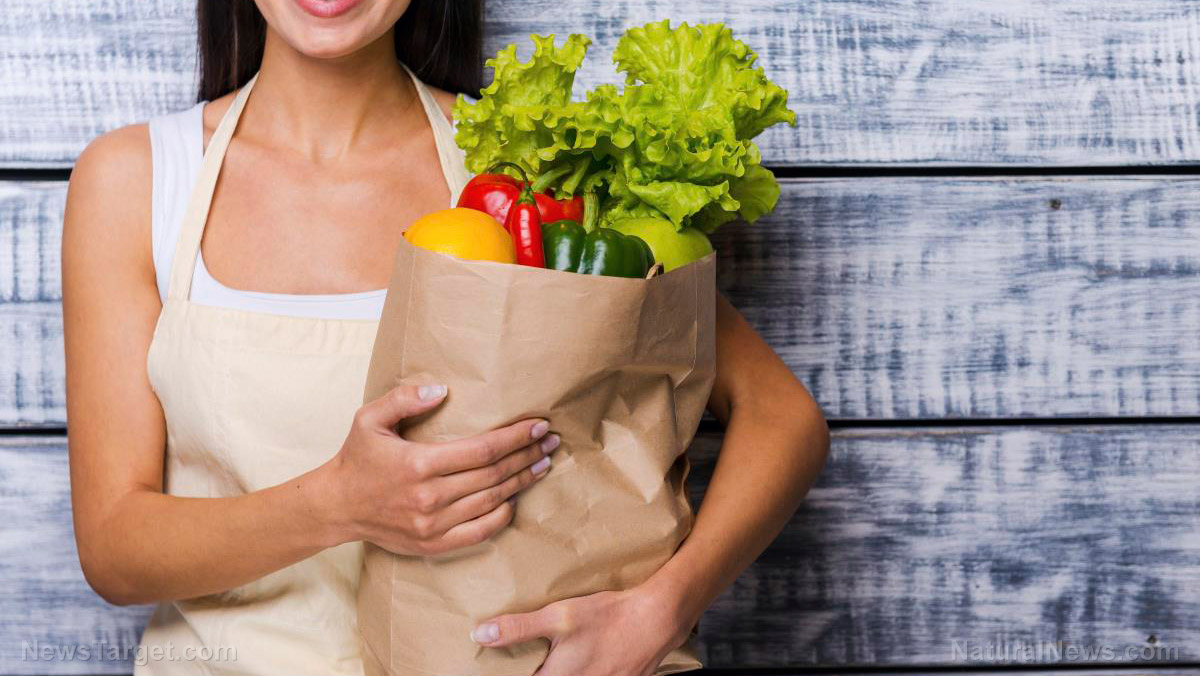
Beyond fraud prevention, the USDA plans to leverage its purchasing power to prioritize American-grown produce, proteins and specialty crops in school lunches and food banks. Rollins framed the shift as part of Health and Human Services Secretary Robert F. Kennedy Jr.'s "Make America Healthy Again" initiative, emphasizing chronic disease prevention through better nutrition.
"We're looking at how we're buying food and really supporting American farmers," Rollins told "Mornings with Maria." The USDA spends roughly $400 million daily across 16 nutrition programs, and Rollins suggested reallocating funds could improve dietary outcomes while bolstering U.S. agriculture.
However, nutrition advocates caution that SNAP recipients—70% of whom are families with children—already face tight budgets, with 75% relying entirely on the program for food. Cutting benefits without ensuring affordable access to healthier options could backfire, they warn.
Farmers await financial lifeline amid economic strain
The USDA also confirmed a pending "bridge package" for struggling farmers, who face mounting debt and uncertain harvests. Rollins cited urgent talks with Treasury Secretary Scott Bessent, promising relief by early next year.
"It's just a bridge to get us to next year for the president's promise that he wasn't [going to] leave any of our farmers behind," she said.
Farmers, particularly in commodity crops, have grappled with rising input costs and volatile markets.
"For the farmers figuring out their planting and harvesting for next year, they need certainty now as their banks are calling," Rollins added, acknowledging the sector's fragility.
The USDA's SNAP overhaul reflects a dual mandate: tightening program integrity while reshaping nutrition aid to align with domestic agricultural priorities. Yet the debate over cuts—House Republicans seek $20.5 billion in reductions over a decade—underscores deeper tensions between fiscal conservatism and social safety nets. As the Farm Bill advances, the stakes extend beyond budgets to the dinner tables of 42 million Americans. Whether the reforms achieve Rollins' vision of "restoring integrity" without deepening food insecurity remains a pressing question for policymakers—and the families who depend on SNAP to survive.
Watch the video below that talks about fraud discovered in SNAP.
This video is from Justin Barclay's channel on Brighteon.com.
Sources include:







Please contact us for more information.