


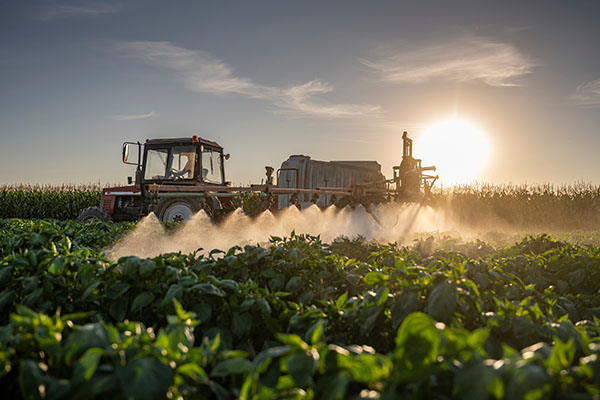
What if the very chemicals promised to protect our food supply are instead systematically dismantling the foundation of life itself? While regulators and chemical companies focus on crop yields and pest kill rates, a deeper, more insidious transformation is occurring in the living world beneath the plow. A groundbreaking new study adds to a damning body of evidence showing that pesticides are not just killing target pests; they are annihilating the essential microbial workforce in our soils, crippling the soil's natural ability to produce nutritious food and sustain a balanced ecosystem. This isn't just about environmentalism; it's about the gutting of our food's vitality at a microbial level, leading to a nutrient-starved population reliant on a broken agricultural system.
Key points:
- A major new study analyzing nearly 2,000 soil samples finds pesticide exposure directly reduces the diversity and function of plant-beneficial bacteria, essential for crop health and nutrient cycling.
- Pesticides drive soil microbial communities toward a state dominated by chemical-resistant "opportunists," disrupting natural predator-prey balances and accelerating soil nutrient loss.
- The damage impairs the soil's ability to act as a carbon sink, exacerbating climate change, and creates a negative synergy with other human-caused stressors like altered precipitation patterns.
- Organic agricultural practices, which nurture the soil microbiome, are presented as the proven, holistic solution to reverse this damage and produce truly nourishing food.
Poisons that reshape a world
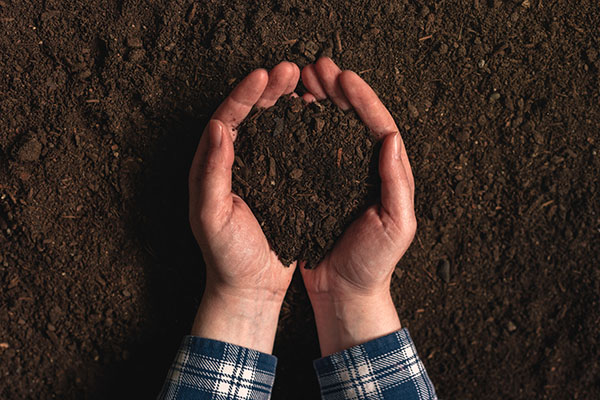
The soil is not inert dirt. It is a teeming metropolis of microorganisms—bacteria, fungi, protists, and nematodes—that form a complex, symbiotic relationship with plant roots. This soil microbiome is responsible for critical tasks: breaking down organic matter, cycling nutrients like carbon and nitrogen, synthesizing vitamins and amino acids, and protecting plants from disease. It is the engine of fertility.
The recent study in Nature Communications reveals how pesticides sabotage this engine. Researchers found that as pesticide use increases, the diversity of plant-beneficial bacteria plummets. More alarmingly, the pesticides reshape the entire community.
"Pesticides not only reduce PBB diversity as individual factors, but they also exert synergistic negative effects with other anthropogenic factors… further accelerating the decline," the authors state.
The soil becomes dominated by pesticide-degrading or resistant "specialists," while the diverse, beneficial workforce perishes. This leads to a silent, cascading failure. The loss of functional genes for nutrient cycling means the soil can no longer effectively feed plants. The researchers warn this disrupts key ecosystem services, reducing soil fertility and plant nutrient availability.
From barren soil to malnourished cells
This microbial apocalypse has direct, dire consequences for what ends up on our plates. Plants grown in microbially dead soil are like patients fed through an IV drip of synthetic fertilizers—they may grow, but they lack the full spectrum of nutrients built through rich soil life. The study notes increased pesticide risk leads to "a reduction in specific amino acid and vitamin synthesis" within the soil. When the soil's ability to create these building blocks is impaired, our food becomes less nutritious. We are, quite literally, attempting to nourish a nation with food grown in increasingly barren biological wastelands.
The damage extends far beyond the farm field. These chemicals flow through ecosystems. Aquatic organisms like mussels and fish are impacted by pesticide runoff. Marine birds and pelicans suffer from accumulated toxins. Peregrine falcons and ospreys see their conservation threatened. The National Pesticide Water Monitoring Network tracks these poisons in waterways, but the contamination often begins with the treatment of soil. Even migratory species carry these burdens across continents. The persistence of these chemicals means they don't disappear; they accumulate, moving from muck soils and peat soils into the mud of riverbeds and eventually the oceans.
The organic imperative: Feeding the soil, not just the plant
The solution is not a mystery; it is a return to biological wisdom. The study concludes by stressing "the urgent need for adopting a systems-wide transition to organic agricultural and land management practices." Organic farming operates on a fundamental principle: Feed the soil, and the soil will feed the plant and therefore nourish humans. By using organic amendments that nourish soil organisms, organic systems foster a balanced, resilient ecosystem. Previous research, such as a study in Plants, People, Planet, confirms that organic farming increases the quantity and diversity of crop plant microbiota, enhancing natural pathogen resistance.
This is not a niche alternative. It is a necessary return to the traditions of the past. Every purchase of organic food is a vote for soil life, for clean water, and for food with its full nutritional potential intact. It supports farming that works with microorganisms to break down pesticides naturally, rather than poisoning them. It rejects the pesticide hazards that contaminate meat and milk and alter organism metabolism from the soil up. The wide availability of non-pesticidal strategies proves we do not need these toxins. The path forward is clear: we must nurture the microbiome beneath our feet to protect the health of everything above it, and that includes the very cells, glands, and organs that work together to keep us healthy.
Sources include:








Please contact us for more information.