







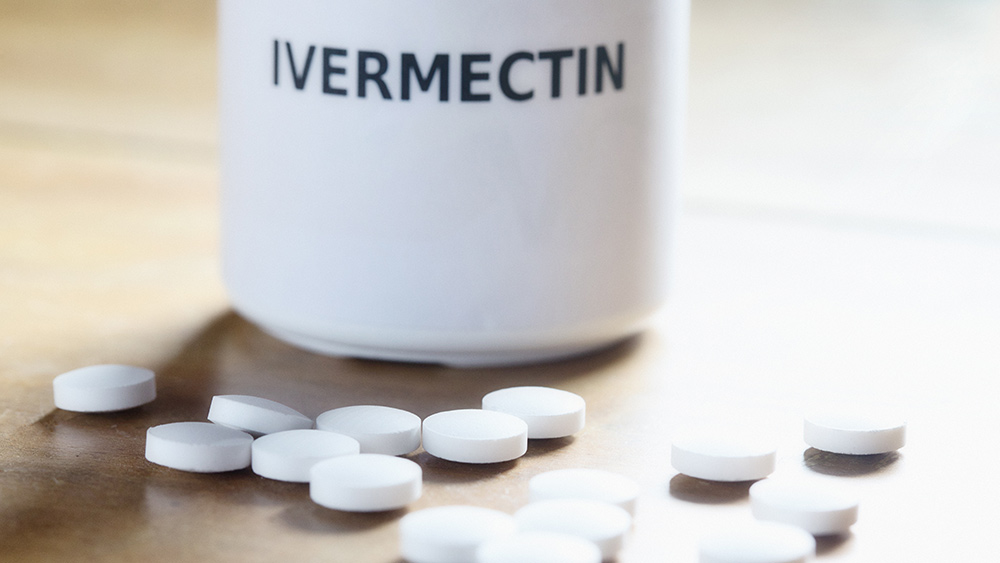
- Texas has enacted a law allowing the sale of ivermectin without a prescription, positioning the state as a leader in a national movement to deregulate certain medications in response to federal COVID-19 guidance.
- The implementation has been slow, with many pharmacies not yet selling the drug due to uncertainty and a lack of finalized protocols from the state pharmacy board.
- The law is highly controversial, with proponents framing it as a victory for patient choice and opponents, including major medical associations, warning it jeopardizes safety by removing clinical oversight for a drug not proven effective against COVID-19.
- This action is part of a broader state-level pushback, as Texas joins several other states that have passed similar laws, creating a regulatory patchwork that challenges federal health authority.
- At its core, the law represents a conflict between medical autonomy and institutional authority, testing the balance between individual health freedom and established scientific and safety standards.
A new era of medical autonomy, though fraught with controversy, has begun in Texas. As of Dec. 4, a state law permitting the sale of the drug ivermectin without a prescription took effect, placing the Lone Star StaTE at the forefront of a national movement to deregulate certain medications.
This law represents a direct and defiant response to federal health guidance during the Wuhan coronavirus (COVID-19) pandemic, transforming a once-obscure antiparasitic into a symbol of medical freedom and a flashpoint in the ongoing battle over who controls treatment decisions.
House Bill (HB) 25, signed by Republican Gov. Greg Abbott in August, authorizes Texas pharmacies to dispense ivermectin over the counter. The legislation mandates that sales follow protocols set by the Texas State Board of Pharmacy, which include providing customers with instructions for proper use.
The bill's champions, like State Rep. Cody Harris (R-Palestine), frame it as a crucial victory for patient choice against restrictive mandates. They argue that safe, proven treatments were unjustly silenced during the pandemic, leaving Texans without options.
Ivermectin's journey to this point is central to understanding the law's significance. Discovered in the 1970s, it is a highly effective treatment approved by the Food and Drug Administration (FDA) for parasitic infections in humans, such as scabies and certain worm infestations. It is also widely used in veterinary medicine.
The controversy erupted when, during the COVID-19 pandemic, some physicians and advocacy groups promoted its use as an early treatment for the virus—an "off-label" purpose not approved by the FDA. This created a fierce divide, with some hailing it as a safe, affordable and suppressed remedy, and major public health institutions warning against its use for COVID-19 due to a lack of robust clinical evidence and potential for harm.
The rocky road to implementation
Despite the law being active, its execution is mired in uncertainty. Reports indicate that many pharmacies are not yet selling ivermectin without a prescription. A key issue is the absence of finalized guidelines from the Texas State Board of Pharmacy (TSBP).
Some pharmacists interpret the law as requiring these protocols before they can proceed, creating a de facto delay. HB 25 sponsor State Sen. Bob Hall (R-Edgewood) disputes this, asserting that the law is immediately effective regardless of the board's actions. This regulatory gray area has left consumers confused and advocates frustrated.
Opposition to the law is led by organizations like the Texas Medical Association, which warns that removing a clinician's oversight jeopardizes patient safety. Doctors caution that ivermectin is not without risks; improper dosing, especially from highly concentrated veterinary formulations, can cause serious neurological side effects, liver injury and other harms.
Medical experts consistently state there is no conclusive evidence that ivermectin is effective against COVID-19. They fear that easier access will lead to misuse for unproven purposes, diverting patients from established, life-saving treatments like vaccines and antiviral medications.
Texas is not acting in isolation. It joins at least four other states—Arkansas, Idaho, Louisiana and Tennessee—that have passed similar laws aimed at facilitating access to ivermectin. Furthermore, over two dozen states have considered or enacted legislation that limits medical board authority over off-label prescriptions or explicitly allows such practices for COVID-19. This state-level pushback creates a patchwork of regulations that stands in contrast to federal health agency guidance, highlighting a deep ideological rift over the role of government in personal health care.
"Ivermectin is a drug with multiple proposed mechanisms of action, including hindering viral entry into cells, possessing anti-spike protein properties and inhibiting inflammatory enzymes," said BrightU.AI's Enoch. "It has been the subject of legal actions by families seeking its use for hospitalized loved ones and is noted for potential applications in malaria control and as a treatment for triple-negative breast cancer."
The new Texas law empowers citizens to make their own health choices with fewer barriers but does so by sidestepping the conventional gatekeepers of medical safety. Whether this experiment in deregulation will be seen as a bold affirmation of freedom or a cautionary tale of unintended harm will be written in the coming months, as ivermectin moves from prescription pads to store shelves across Texas.
Watch this clip about the FDA backtracking on ivermectin.
This video is from The HighWire with Del Bigtree channel on Brighteon.com.
Sources include:












Please contact us for more information.