
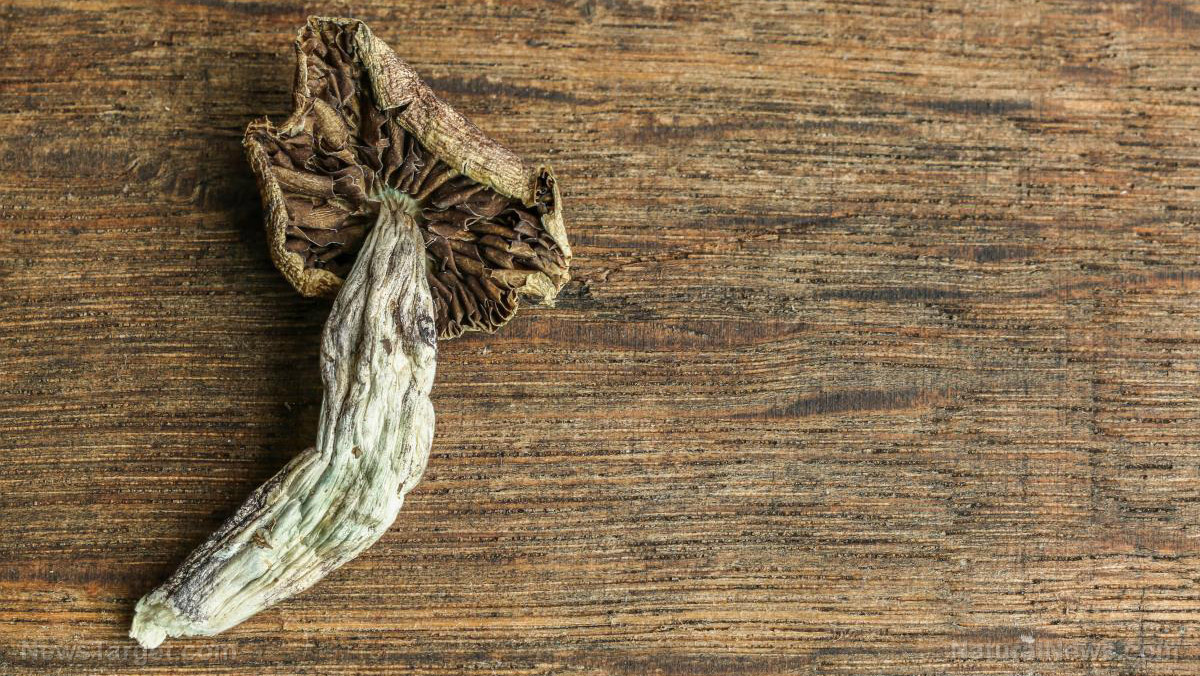
- A scientific review finds psilocybin more promising than cannabis for treating OCD.
- Many OCD patients get no relief from standard therapies like SSRIs.
- Evidence for cannabis is inconsistent and often shows symptom worsening.
- Clinical trials report psilocybin can dramatically reduce symptoms for weeks or longer.
- Researchers urge cautious optimism and call for more rigorous, controlled studies.
In a field desperate for new solutions, a groundbreaking scientific review has delivered a clear verdict on two controversial alternative treatments for obsessive-compulsive disorder. Researchers from McMaster University have sifted through the available evidence and found that psilocybin, the compound in "magic mushrooms," shows a markedly stronger therapeutic signal for OCD than cannabis products. This analysis arrives at a critical time, as an estimated 40 to 60 percent of OCD patients find little to no relief from standard therapies like SSRIs and cognitive behavioral therapy, leaving them in the category of treatment-resistant.
The review, published in the Journal of Psychiatric Research, aimed to cut through the hype and understand if there was real evidence for these substances as next-step treatments. Lead author Dr. Michael Van Ameringen, a psychiatry professor at McMaster, admitted he was not sure what to expect given the scarcity of dedicated research. To compile a complete picture, his team examined everything from published studies and clinical trials to conference presentations and case reports.
Cannabis findings are mixed
The evidence for cannabis was split and ultimately unpersuasive. One study using a smartphone app reported that in thousands of user-logged sessions, cannabis was associated with reductions in intrusive thoughts, compulsions, and anxiety. However, another outpatient study told a different story. In that research, only 10 percent of lifetime cannabis users reported the substance reduced their OC symptoms, while 23.3 percent reported their symptoms actually worsened, mainly due to increased general anxiety.
This inconsistency led the researchers to a sober conclusion. "Clinical evaluations so far indicate a lack of evidence supporting cannabinoids as treatments for OCD," the study states.
Psychedelic outcomes show promise
In contrast, the data for psilocybin presented a more coherent and promising picture. International surveys of people with OCD who had used psychedelics found that classic psychedelics like psilocybin were the only category associated with significant positive changes in symptoms. More compellingly, small clinical trials reported dramatic results.
In one case report, a 33-year-old man with treatment-resistant OCD received a single dose. His symptom score plummeted from 23 pre-dose to 2 within 48 hours, and to zero at 12 weeks. The patient stated he felt "OCD-free" one year later. Another trial with nine treatment-resistant patients found acute reductions in symptoms ranging from 23 to 100 percent within 24 hours of a dose.
A controlled study compared a 10 mg dose of psilocybin to a 1 mg control dose in adults with moderate-to-severe OCD. Symptom scores were "significantly better than baseline" for weeks after the higher dose, with the greatest reduction seen at one week. Dr. Terrence Ching of Yale School of Medicine, whose preliminary trial data was included, observed that psilocybin seemed to help patients gain insight into their need for control, a core feature of the disorder.
Van Ameringen theorizes the difference lies in how the substances interact with the brain. While cannabinoids activate receptors that regulate symptoms like anxiety, they may not offer lasting change. Psilocybin, however, can reduce connectivity in the brain's default mode network, which is hyperactive in OCD and involved in the rumination and self-referential thinking that fuels the disorder.
Despite the encouraging signals, the researchers emphasize caution. The current evidence is limited by small trials, a lack of large controlled studies, and the need for longer-term follow-up. The hype around psychedelics itself presents a challenge, as it can create expectations of a "miracle cure," a narrative Ching believes is harmful to rigorous research.
What emerges from this review is not a final answer, but a crucial roadmap. For the millions trapped by intrusive thoughts and compulsive rituals where conventional medicine has failed, the stronger signal for psilocybin offers a legitimate, science-based reason for hope. It underscores an urgent need to investigate this ancient compound with modern, controlled rigor, potentially unlocking a new frontier in mental health treatment for some of the most difficult cases.
Sources for this article include:










Please contact us for more information.