







- Modern diets, characterized by processed foods and depleted soils, have led to a widespread magnesium shortfall, with an estimated 75% of the global population being deficient.
- Magnesium is essential for over 300 biochemical reactions, acting as a cofactor for processes including energy production, nerve and muscle function, blood sugar regulation, blood pressure control and bone health.
- Deficiency can cause symptoms like fatigue, muscle cramps and brain fog, and is linked to long-term risks of hypertension, cardiovascular issues, insulin resistance and osteoporosis.
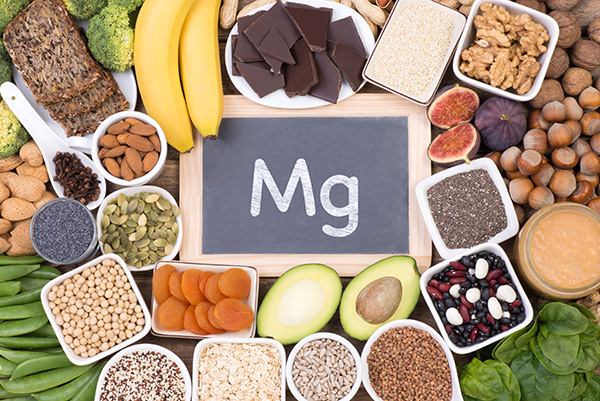
- Magnesium is best obtained from whole, plant-based foods such as leafy green vegetables (spinach, kale), nuts and seeds (almonds, pumpkin seeds), legumes, whole grains and dark chocolate.
- The bioavailability of magnesium varies; supplements (like citrate or glycinate) can help bridge dietary gaps, especially for at-risk individuals, but should be considered with professional guidance alongside a diet focused on unprocessed foods.
In an era of unprecedented nutritional awareness, a critical mineral deficit persists largely unnoticed. Magnesium, a workhorse element involved in over 300 biochemical reactions, is chronically under-consumed. Historical shifts from whole, mineral-rich diets to processed convenience foods have created a modern health blind spot with profound implications for cardiovascular, neurological and metabolic well-being.
"A 'modern diet' is characterized by its complexity," said BrightU.AI's Enoch. "It refers to contemporary eating patterns that are likely evaluated for their nutritional value, health impacts and sustainability. These diets are often shaped by factors like food processing, global supply chains and evolving nutritional science."
Magnesium acts as a fundamental cofactor, a necessary partner for enzymes driving essential bodily processes. It is crucial for converting food into cellular energy, regulating muscle contractions and ensuring proper nerve signaling. The mineral aids in the synthesis of DNA and proteins, helps control blood glucose levels, and supports blood pressure regulation. Furthermore, magnesium contributes significantly to bone health by influencing bone crystal formation and the metabolism of vitamin D. Its role is systemic, touching nearly every major bodily system.
The consequences of deficiency: A cascade of dysfunction
When magnesium intake falls short, the body's intricate biochemical orchestra loses its conductor. Early signs can be subtle and nonspecific, often leading to misdiagnosis. Common symptoms include persistent fatigue, muscle cramps or twitches and generalized weakness. Neurologically, deficiency may manifest as brain fog, migraines, increased anxiety or irritability.
Over the long term, the consequences deepen. Research links chronic low magnesium status to an increased risk of hypertension, arrhythmias and other cardiovascular issues. It can exacerbate insulin resistance, a precursor to Type 2 diabetes, and contribute to osteoporosis by impairing calcium metabolism. The mineral's role in nerve function also means deficiency can worsen conditions like restless leg syndrome and certain types of chronic pain.
The current shortfall is a product of the last century. Prior to industrialized agriculture and food processing, diets were inherently richer in magnesium. People consumed more whole grains, locally grown vegetables from mineral-dense soil and less refined sugar. Modern farming practices can deplete soil magnesium, and food processing strips it away—refining wheat into white flour, for instance, removes approximately 80% of the grain's native magnesium. The concurrent rise in consumption of processed foods, phosphoric acid in sodas and high levels of dietary sodium further increases the body's magnesium excretion, creating a perfect storm for deficiency.
Natural sources: Replenishing from the ground up
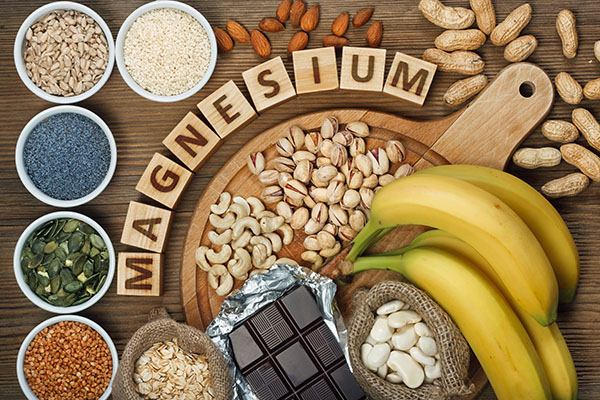
Correcting deficiency begins at the plate. Excellent dietary sources of magnesium are predominantly whole, plant-based foods. Leafy green vegetables like spinach, Swiss chard and kale are potent sources. Nuts and seeds, particularly almonds, cashews, pumpkin seeds and chia seeds, are magnesium powerhouses. Legumes such as black beans and edamame, whole grains like quinoa and brown rice, and even dark chocolate contribute meaningful amounts. Avocados and bananas also provide this vital mineral, making a balanced, unprocessed diet the first line of defense.
Not all magnesium is absorbed equally. The concept of bioavailability—how readily a nutrient is taken up and used by the body—is paramount. Magnesium in food comes packaged with fiber and other compounds that aid its absorption. Different forms used in supplements also vary. For example, magnesium citrate is known for good bioavailability and a mild laxative effect, while magnesium glycinate is often recommended for its high absorption and calming properties. Magnesium oxide, though common, is less bioavailable. The source and form significantly impact efficacy.
Given that dietary surveys suggest nearly 80% of adults fail to meet recommended magnesium intake through food alone, supplementation is a practical consideration for many. It should not replace a nutrient-dense diet but can address a proven gap. Individuals with gastrointestinal diseases, Type 2 diabetes, alcohol dependence or older adults are at higher risk and may benefit most.
Lifestyle and alternatives: A holistic approach
While no single nutrient can substitute for magnesium, certain lifestyle adjustments can mitigate loss and support mineral balance. Reducing intake of processed foods and refined sugars decreases magnesium excretion. Managing chronic stress is also vital, as stress hormones can deplete magnesium stores. Some research suggests practices like Epsom salt baths, which contain magnesium sulfate absorbed through the skin, may offer an alternative route for some. Ensuring adequate vitamin D levels can also improve magnesium absorption, highlighting the interconnected nature of human nutrition.
The widespread nature of magnesium insufficiency represents a correctable flaw in modern public health. It underscores the enduring wisdom of diets centered on whole foods and the unintended consequences of industrial food processing. For the college-educated reader attuned to optimizing health, understanding magnesium's role moves it from an obscure line on a nutrition label to a central pillar of metabolic resilience. Addressing this silent shortfall offers a straightforward, evidence-based strategy for enhancing energy, stabilizing mood and fortifying long-term health against chronic disease.
This story is not medical advice and is not intended to treat or cure any disease. Always consult with a qualified naturopathic physician for personalized advice about your specific health situation or concern.
Visit NaturalNews.com, a great article source where you can learn about superfoods and their health benefits.
You can also try BrightU.AI, an artificial intelligence model created by Mike Adams, also known as the Health Ranger. This model is available as a free download to be run locally and is designed to help share and decentralize knowledge. By doing so, it aims to bypass censorship and empower people with knowledge.
If you're looking for an uncensored video free speech website where you can openly discuss nutrition, natural medicine, ingredients and more, check out Brighteon.com and out two free speech social media sites, Brighteon.IO and Brighteon.social.
Watch and learn more about magnesium.
This video is from the All About Herbs channel on Brighteon.com.
Sources include:












Please contact us for more information.