


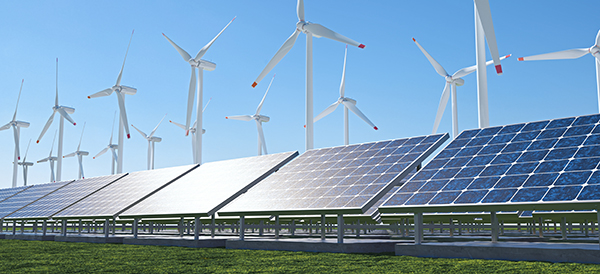
- Global solar installations are projected to decline for the first time.
- Policy shifts in China and the U.S. are driving the slowdown.
- High-profile, taxpayer-funded solar projects have failed.
- Solar's intermittent nature causes grid instability and blackouts.
- The decline signals a market verdict on solar's reliability.
The global green energy revolution is hitting a wall. For the first time since solar power emerged as a major force, worldwide installations are projected to decline next year, exposing the deep flaws and inherent unreliability of a technology sold as our clean energy future. According to a new outlook from BloombergNEF, developers will add 649 gigawatts of solar capacity in 2026, a slight drop from the 655 GW expected this year. This follows 2025’s weakest growth in seven years, marking a stunning reversal after decades of breakneck expansion.
This isn't just a minor market correction; it is a direct reflection of reality catching up with the hype. The decline is driven by major policy shifts in the world's two largest solar markets, China and the United States, where the economic and practical shortcomings of solar are becoming impossible to ignore. After years of government-mandated build-outs, these nations are pulling back as the true cost of solar dependency becomes clear.
In China, a renewable energy boom has turned to bust. Following a massive installation surge in early 2025, the government introduced a new pricing mechanism that removed guaranteed returns for investors. This led to a summer slump in installations. The country is also imposing stricter controls on its bloated solar manufacturing sector, which has been plagued by price wars and massive corporate losses. The era of unchecked, quantity-over-quality growth is over.
The situation in the United States is similarly unfavorable. The Trump administration's skeptical stance toward clean energy has created uncertainty surrounding as many as 519 projects, representing half of all new planned power capacity in the country. When the promises of cheap, abundant power fail to materialize, political and public support evaporates.
The high cost of failure
This global slowdown follows a pattern of high-profile, taxpayer-funded failures that have become symbols of solar's empty promises. The $2.2 billion Ivanpah Solar Power Facility in California, which received $1.6 billion in federal loan guarantees, is scheduled to shut down in 2026. It failed to live up to its promises, producing less electricity than expected while relying on natural gas to stay operational. Its complex concentrated solar design was quickly outpaced by cheaper photovoltaic technology, rendering it a white elephant in the desert.
The problems with solar extend far beyond a single failed project. The technology's intermittent nature creates constant instability for power grids. In Europe, a solar boom is pushing aging infrastructure to its limit. Grid control rooms that once saw calm, green "safe" indicators now frequently light up with amber and red warnings as voltage surges threaten stability. A major blackout in Spain and Portugal that affected more than 50 million people was linked to the sudden disconnection of a large amount of solar power.
Grids pushed to the brink
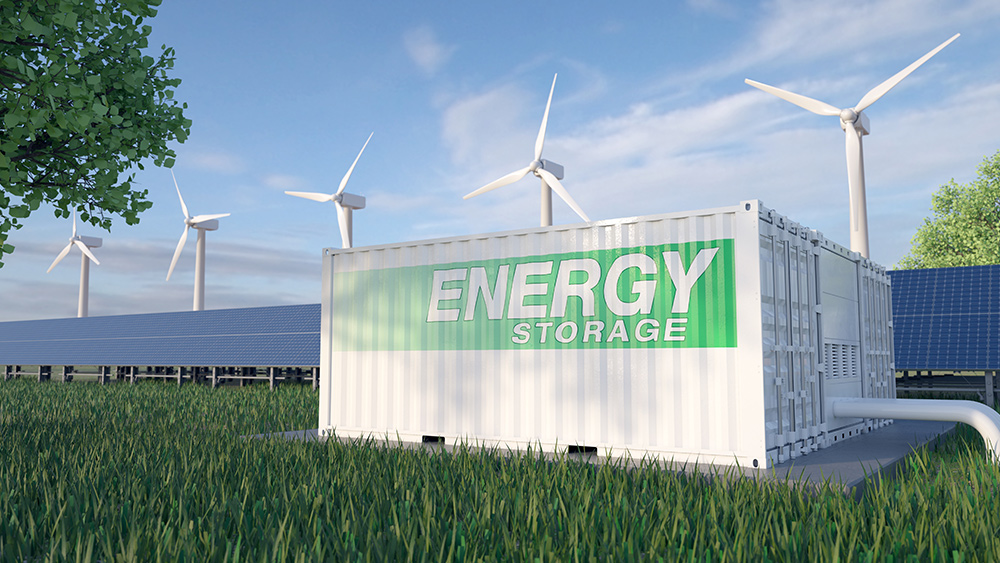
The core issue is that solar is fundamentally incompatible with the needs of a modern, reliable electrical grid. Solar farms produce power only when the sun shines, creating wild fluctuations that the grid was not built to handle. In California, this has led to a regular "market failure" known as curtailment, where excess solar power is simply wasted because it cannot be used or stored. The state wasted enough solar and wind energy in 2024 to power itself for nearly four and a half days.
This volatility has real-world consequences for consumers and grid safety. Jan Vorrink, a former manager of the Dutch grid control room, stated, "The speed of the change is extreme. The strong increase in solar is pushing the boundaries of the system."
The global retreat from solar is a market verdict. After years of subsidies and mandates, the technology is revealing itself as a source of grid instability, economic waste, and broken promises. The decline in installations for 2026 is not a temporary blip but a sign that the world is waking up to an inconvenient truth: you cannot power a civilization on sunshine alone. The future demands energy that is always there, not just when the weather permits.
Sources for this article include:







Please contact us for more information.