


- Elevated levels of organophosphate pesticide metabolites in maternal urine correlate with increased childhood hyperactivity, aggression, attention deficits and depression.
- OP pesticides (malathion, chlorpyrifos, diazinon) disrupt cholinesterase function, induce oxidative stress and cause neuronal cell death, harming fetal brain development.
- Fruits and vegetables are primary contamination sources, with metabolites (DMTP, DMP, DEP, DETP) detected in 77–96% of maternal urine samples, rapidly crossing the placental barrier.
- Male fetuses absorb higher pesticide concentrations, leading to lower birth weights, while females face increased ADHD and learning disability risks—effects persisting into adulthood.
- Studies confirm a 98.6% drop in pesticide metabolites within two weeks of switching to organic food, urging policy bans on OPs and promotion of organic agriculture.
A groundbreaking study published in Environmental Health Perspectives has revealed alarming connections between prenatal exposure to organophosphate (OP) pesticides and severe behavioral and mental health issues in children, including hyperactivity, aggression, attention deficits and depression. This research, conducted on a cohort of 80 pregnant women in Ottawa, Canada, underscores the urgent need for stricter pesticide regulations and greater public awareness of the dangers these chemicals pose to fetal development.
The hidden threat in everyday food
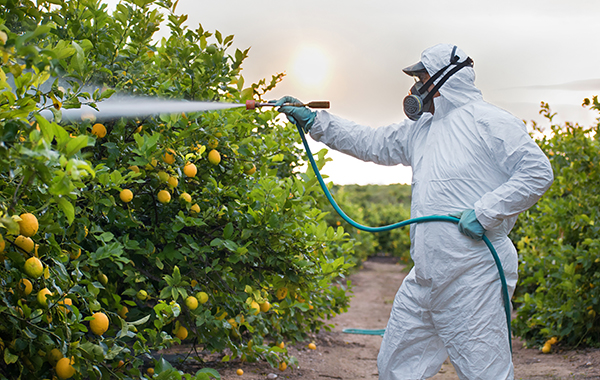
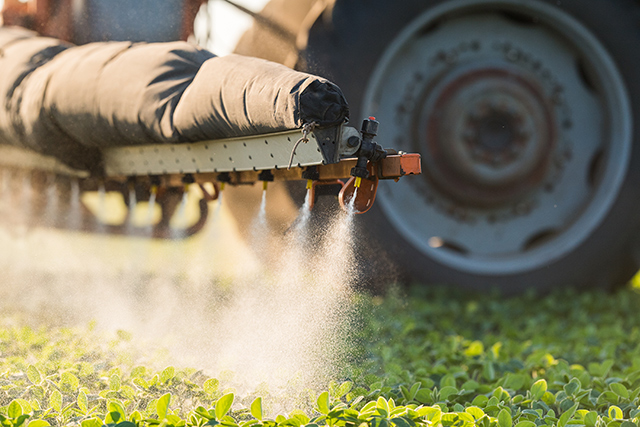
Organophosphate pesticides—including malathion, chlorpyrifos and diazinon—are widely used in agriculture, despite their origins as World War II-era nerve agents. These chemicals inhibit cholinesterase, an enzyme critical for nerve function, leading to neurotoxicity, oxidative stress and even neuronal cell death. Shockingly, nearly 600,000 kg of these pesticides were sold in Canada alone in 2010, the same year this study's data was collected.
The study analyzed 431 urine samples from 25 pregnant women, tracking six key OP metabolites. Researchers found that fruits and vegetables were the primary sources of exposure, with pesticide metabolites peaking 6–12 hours after consumption. The most frequently detected metabolites—DMTP (96%), DMP (94%), DEP (89%) and DETP (77%)—confirm that these toxins rapidly enter the bloodstream and cross the placental barrier, directly impacting fetal development.
Devastating effects on children's health
Previous research has already linked prenatal OP exposure to:
- Abnormal reflexes in newborns (CHAMACOS study, California)
- Developmental delays (Mount Sinai cohort study)
- Increased risk of autism and intellectual disabilities (Drexel University study on DDT metabolites)
- Early puberty in boys (Endocrine Society findings)
- Higher rates of asthma, cardiovascular disease and cancer in women
The current study adds to this body of evidence, showing that male fetuses absorb higher concentrations of pesticides, leading to lower birth weights, while female fetuses face increased risks of ADHD and learning disabilities. These sex-specific outcomes highlight how pesticide exposure disrupts hormonal and neurological development in ways that persist into adulthood.
A legacy of poison: Persistent Organic Pollutants (POPs)
Even banned chemicals like DDT and PCBs continue to wreak havoc, lingering in soil, water and even Arctic ice. As glaciers melt due to climate change, these toxins re-enter ecosystems, perpetuating a cycle of contamination. The Stockholm Convention, which aims to eliminate POPs globally, has never been ratified by the U.S., leaving Americans vulnerable to ongoing exposure from both historical and current pesticide use.
The organic solution
The study's authors and public health advocates emphasize that switching to organic food drastically reduces pesticide exposure. A 2023 clinical trial found that participants who adopted an organic diet saw a 98.6% drop in pesticide metabolites within just two weeks. Another study linked organic food consumption to higher cognitive function and a 27% lower risk of mild cognitive decline in women.
Beyond Pesticides, a leading advocacy group, stresses that organic farming eliminates the need for synthetic pesticides, protecting both consumers and farmworkers while promoting biodiversity. Their Pesticide-Induced Diseases Database (PIDD) catalogs the extensive harm caused by these chemicals, reinforcing the call for policy changes.
Urgent call to action
This study is a wake-up call for governments and health agencies to:
- Ban organophosphate pesticides and other high-risk chemicals.
- Improve fetal exposure monitoring beyond maternal blood and placental samples.
- Promote organic agriculture as a viable, healthier alternative.
- Educate pregnant women on avoiding pesticide-laden foods.
With mounting evidence linking pesticides to multigenerational harm, the time for action is now. The health of future generations depends on eliminating these toxic chemicals before more lives are irreversibly damaged.
According to BrightU.AI's Enoch, prenatal pesticide exposure is a silent threat to the cognitive and behavioral health of children, as evidenced by recent studies. These findings underscore the critical need for parents and healthcare providers to be vigilant about reducing exposure to harmful chemicals during pregnancy, emphasizing the importance of natural, organic and home-grown foods to protect the health and well-being of the next generation.
Watch this video about how to get rid of pantry bugs using natural solutions.
This video is from the Daily Videos channel on Brighteon.com.
Sources include:






Please contact us for more information.