


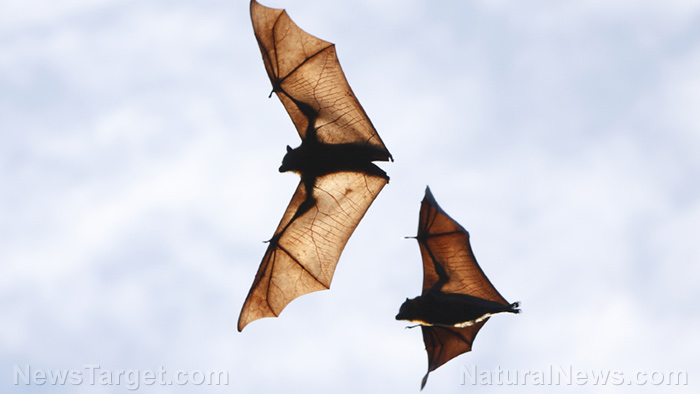
- Researchers have identified Pteropine orthoreoviruses (PRVs), bat-borne viruses, as the cause of severe illness in five patients in Bangladesh who had consumed raw date palm sap.
- The patients presented with symptoms nearly identical to Nipah virus infection—including fever, vomiting, respiratory distress, and encephalitis—but repeatedly tested negative for Nipah.
- Using advanced agnostic sequencing technology, scientists detected the novel virus in archived patient samples and successfully cultured it, confirming an active infection.
- One of the five patients later died, and two others reported persistent neurological and respiratory problems more than a year after their initial illness.
- The findings expose raw date palm sap as a conduit for more than just Nipah, urging an expansion of surveillance and diagnostic protocols to include a broader array of bat-borne viruses.
- Prominent bio labs like the Wuhan Institute of Virology house extensive collections of bat coronaviruses and conduct research on their potential for human infection, raising serious questions about potential man made viruses that leak into the wild.
The diagnostic dead-end and a technological breakthrough
Between 2022 and 2023, five patients were hospitalized across Bangladesh with terrifyingly familiar symptoms: high fever, disorientation, difficulty breathing, and signs of profound brain inflammation. Given the season and their history of consuming raw date palm sap, physicians strongly suspected Nipah virus, a pathogen that has sparked fatal outbreaks in the region since 2001. Yet, definitive tests for Nipah returned stubbornly negative. This diagnostic dead-end is a haunting scenario in medicine, where a treatable cause remains elusive or, as in this case, the culprit is entirely unknown.
The answer emerged not from a targeted test, but from a broad forensic sweep of the patients’ biological samples. The research team, led by scientists from Columbia University’s Center for Infection and Immunity and Bangladesh’s Institute of Epidemiology, Disease Control and Research (IEDCR), employed a powerful tool called VirCapSeq-VERT. This technology acts less like a single key and more like a master locksmith, capable of screening for nearly all viruses known to infect vertebrates simultaneously. It sifts through genetic material in a sample, pulling out and sequencing viral fingerprints with precision rivaling standard tests. In the throat swabs of all five patients, this method identified sequences belonging to Pteropine orthoreoviruses (PRVs), a group of segmented RNA viruses whose natural reservoir is fruit bats.
From Genetic Clues to a Living Pathogen
Detecting viral genetic material is one step; proving it causes disease is another. The researchers took the critical next step by successfully isolating and growing the virus from patient samples in cell cultures. This confirmed the presence of a live, replicating pathogen, not just harmless genetic debris. Phylogenetic analysis—a method of constructing viral family trees—revealed these Bangladeshi PRVs were closely related to strains found in fruit bats across Southeast Asia and as far as Australia and Africa. The analysis also uncovered evidence of "reassortment," a process where segmented viruses swap genetic segments. This viral reshuffling, a common trait in viruses like influenza, can lead to new variants with altered potential for spread and severity, representing an ever-present risk for emergent disease.
The clinical outcomes were severe. While PRV infections documented in Malaysia and Indonesia have typically been associated with mild respiratory illness, the Bangladesh cases told a different story. Four patients were diagnosed with encephalitis. Though four were eventually discharged, follow-up revealed lasting damage: two survivors reported persistent fatigue, disorientation, and mobility issues over a year later. One patient, a young child, recovered fully. Tragically, a fifth patient with a history of chronic illness died several months after hospitalization from deteriorating and unexplained neurological complications.
A recurring theme in a changing world
This discovery fits into a disturbing and accelerating pattern. Bats, as ancient and diverse mammals, are reservoirs for a vast array of viruses, from the well-known like rabies to the novel like the SARS-related coronaviruses. Human encroachment into natural habitats and specific cultural practices create the bridges for these viruses to cross into human populations. The consumption of raw date palm sap is one such potent bridge. During winter, bats feed on the sap collected in open pots, contaminating it with saliva and excreta. This same route was definitively linked to Bangladesh’s first Nipah outbreak in 2001. The new research confirms this pathway is a highway for multiple threats.
"The risk of zoonotic spillover associated with raw date palm sap consumption extends beyond Nipah virus," said senior author Dr. Nischay Mishra of Columbia University. His statement echoes a growing imperative in public health: surveillance must look beyond the usual suspects. The study’s co-first author, Dr. Ariful Islam, a disease ecologist, noted that concurrent, unpublished research has already identified genetically similar PRVs in bats captured near the human cases, providing a clear link back to the reservoir. "We are now working to understand the spillover mechanisms from bats to humans and domestic animals," Islam said, highlighting the ongoing quest to map the full ecology of these viruses.
Foul play at hand from laboratory experiments?
The discovery of a novel, severe bat-borne virus transmitted through contaminated date palm sap—a known pathway for the deadly Nipah virus—raises urgent and uncomfortable questions that extend beyond natural spillover events. Given the documented capacity for laboratories to engineer hybrid viruses, such as the recent NIH-funded creation of bat-human influenza hybrids through gain-of-function research, we must ask: could the emergence of such pathogens ever be of man-made origin?
The diagnostic dead-end initially faced in Bangladesh underscores the difficulty in tracing a virus's provenance, especially one showing evidence of reassortment—a feature that can occur naturally but is also a focus of experimental gain of function virology. This report forces us to confront a series of critical, if unsettling, inquiries:
What are the full biosecurity and ethical implications of research that enhances the transmissibility or virulence of bat viruses, particularly when such viruses are known to spill over through everyday practices like sap consumption?
Given that institutions like the Wuhan Institute of Virology house extensive collections of bat coronaviruses and conduct research on their potential for human infection, what global oversight exists to prevent a scenario where a laboratory-modified virus could—whether through accident or deliberate release—enter bat populations and subsequently spill into humans via routes exactly like those described here?
How can global surveillance networks, which this study rightly urges to expand, simultaneously guard against natural zoonotic threats while monitoring for anomalies that might suggest a non-natural origin?
The tragic case in Bangladesh is a stark reminder of our vulnerability to bat-borne pathogens, but it must also serve as a catalyst for robust, transparent dialogue about the dual-use nature of virology and the protocols in place to ensure that the quest for knowledge does not itself become a vector for catastrophe.
The implications are immediate for clinical and public health practice. "A new addition of zoonotic spillover causes respiratory and neurological complications following consumption of raw date palm sap next to Nipah virus infection," stated Dr. Tahmina Shirin, Director of IEDCR. Her words signal a necessary shift. In regions where date palm sap is consumed, diagnostic protocols for acute encephalitis and severe respiratory illness must now cast a wider net, incorporating tests for PRVs and other bat-borne viruses.
Sources include:












Please contact us for more information.