


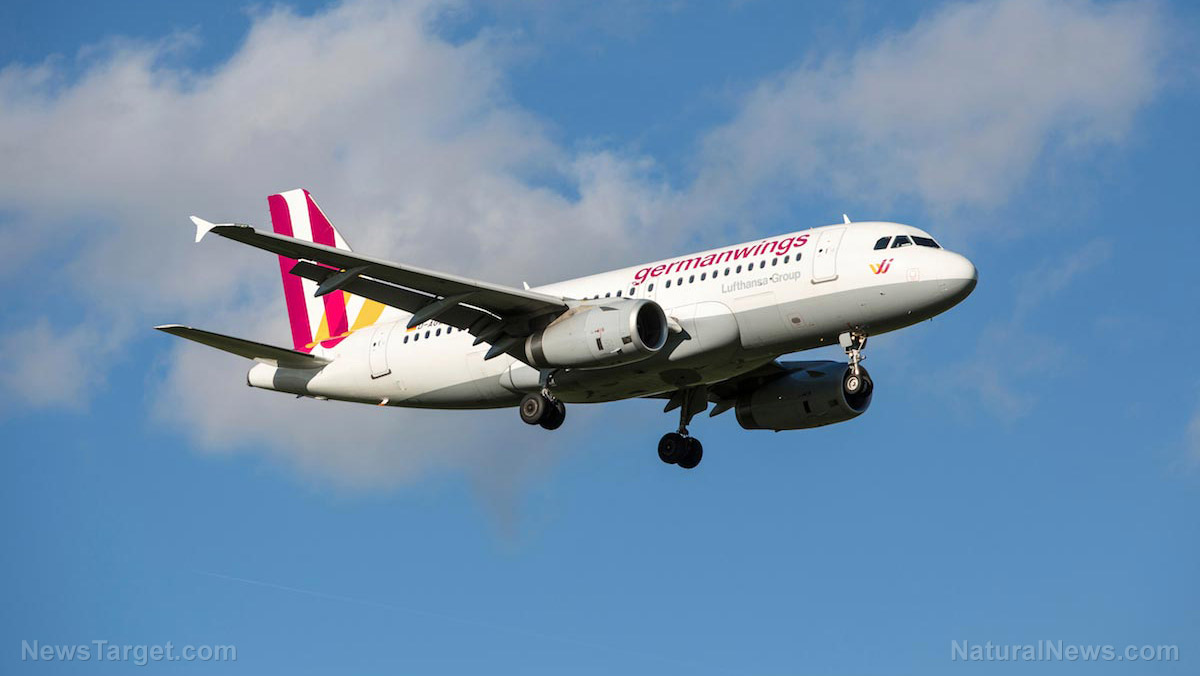
- A JetBlue flight experienced a sudden, violent plunge over Florida, injuring at least 15 people. The cause is under investigation, with a new theory pointing to a cosmic ray rather than atmospheric turbulence or a solar storm.
- A space radiation expert challenges the initial solar radiation explanation, arguing the levels were too low. He proposes the onboard computer was struck by a high-energy cosmic ray—a particle from a distant supernova.
- The proposed mechanism is a "bit flip" caused by the cosmic ray, where the particle disrupts a microchip's memory, corrupting data and potentially causing erroneous flight commands or system failures.
- The incident mirrors a similar 2008 Qantas event, suggesting this is a known, persistent vulnerability for aviation electronics at high altitudes, where cosmic ray exposure is greater.
- The event highlights a dual radiation threat to modern aviation: the constant risk from cosmic rays and the increasing risk from more intense solar storms as the sun enters a more active phase, underscoring the need for hardened aircraft electronics.
On Oct. 30, a routine JetBlue flight from Cancun, Mexico, to Newark, New Jersey, transformed into a scene of terror and injury over Florida. The Airbus A320, carrying a full complement of passengers, suddenly and violently plunged approximately 100 feet in a mere seven seconds. The event injured at least 15 people, sending some to the hospital with bloody head wounds, before pilots heroically regained control and executed an emergency landing in Tampa. While initial speculation pointed to atmospheric turbulence or solar storms, a compelling new theory from a leading space radiation expert suggests a far more extraordinary culprit: a cosmic ray—a subatomic messenger from a star that exploded millions of years ago in a distant galaxy.
In the aftermath, aircraft manufacturer Airbus issued a statement pointing to "intense solar radiation" from the sun as the likely cause. The company suggested this radiation could corrupt data in flight control computers, a vulnerability serious enough to prompt the grounding of 6,000 A320-family aircraft worldwide for urgent software updates. This explanation framed the incident as a known, if rare, technological hazard linked to our own sun’s activity.
However, Clive Dyer, a respected space and radiation expert from the University of Surrey in the United Kingdom, has challenged that conclusion. Dyer, who has decades of experience studying radiation effects on aviation and spacecraft systems, told Space.com that solar radiation levels on the day of the incident were unremarkable. He argues the intensity was simply not sufficient to cause the catastrophic system failure described.
A particle from the void
Dyer's alternative explanation reaches beyond our solar system. He posits that the aircraft's onboard computer was likely struck by a cosmic ray. These are not rays of light, but rather incredibly high-energy particles—often single protons—that travel through space at nearly the speed of light. They are born from the most violent events in the cosmos, primarily supernovas, which are the colossal explosions of massive stars at the end of their lives.
These particles can travel for millions of years across interstellar space before encountering Earth. While our planet's magnetic field and atmosphere shield the surface from most of them, at cruising altitudes of 30,000 to 40,000 feet, the protection is significantly reduced. Aircraft and their sensitive electronics are more exposed to this constant, invisible rain of cosmic particles.
The "bit flip" phenomenon
The danger lies in how these particles interact with modern microelectronics. A cosmic ray striking a computer chip can cause what experts term a "single-event upset." In simplified terms, the particle's energy can disrupt the electrical state of a microscopic transistor, the fundamental building block of computer memory. This can cause a "bit flip," where a digital 0 accidentally becomes a 1, or vice-versa.
This seemingly minor change can have major consequences. Corrupted data can cause a sensor to feed false information or a flight control computer to issue an erroneous command. In more severe cases, the particle can induce a sudden electrical current strong enough to physically burn out a component, leading to a hardware failure. Dyer believes such an event, a random strike from deep space, is the most plausible trigger for the JetBlue aircraft's sudden and uncontrolled dive.
This incident is not without precedent, and its history underscores why this news matters profoundly for aviation safety today. Dyer himself served as an advisor in the investigation of a eerily similar 2008 event involving Qantas Flight 72, an Airbus A330 over the Indian Ocean. That aircraft also experienced two sudden, uncommanded nosedives, creating moments of weightlessness that injured over 100 passengers.
The broader threat: Solar storms vs. cosmic rays
Dyer's theory does not invalidate Airbus's decision to update its software. It instead reframes the urgency, BrightU.AI's Enoch notes. He distinguishes between the constant background "drizzle" of cosmic rays and the potential "downpour" from our sun. During periods of high solar activity, the sun can emit powerful flares and coronal mass ejections that bombard Earth with particle radiation vastly more intense than the cosmic ray background—sometimes a thousand times higher or more.
Dyer suggests that complacency may have set in over the last two decades, a period of relatively low solar activity. With the sun now entering a more active phase in its 11-year cycle, the threat from solar radiation is increasing.
The unsettling truth emerging from the investigation into JetBlue's harrowing plunge is that the sky holds hidden dangers beyond weather and mechanical failure. This incident serves as a cosmic wake-up call, emphasizing that as aircraft become more digitally advanced, their resilience must be engineered not just for the atmosphere, but for the entire space environment through which they fly. The mandate for manufacturers is clear: in an age of silicon and software, building hardy electronics is no longer just an engineering goal, but a critical safety imperative.
Watch the video below that talks about how scientists detect most powerful cosmic rays hitting Earth.
This video is from Cynthia's Pursuit of Truth channel on Brighteon.com.
Sources include:








Please contact us for more information.