







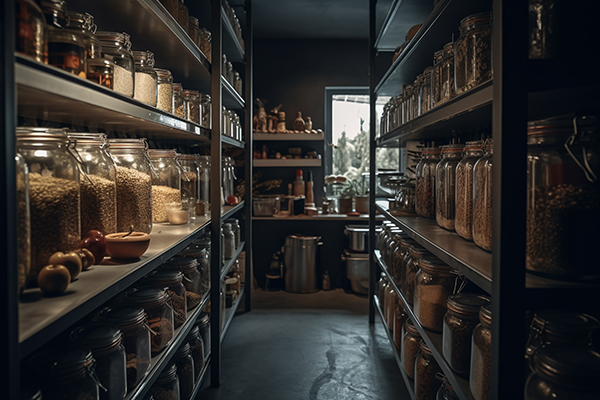
- Commercial packaging fails to protect food against spoilage, pests and oxidation. Proper storage extends shelf life from months to decades.
- Dry goods like grains, legumes, baking essentials, snacks and dried fruits/oils benefit most from proper food storage.
- Top storage methods include vacuum sealing (prevents oxygen exposure, best for sturdy items), Mylar bags with oxygen absorbers (blocks moisture/pests, ideal for bulk storage), food-grade buckets (lined with Mylar for bulk; Gamma Seal lids for easy access), canning jars (good for small quantities; store in darkness) and repurposed containers (e.g., soda bottles for rice/popcorn).
- Avoid dry pack canning. Oven-heating jars doesn’t remove oxygen and risks breakage. Freezing sealed containers kills pests more safely.
- Proper storage ensures nutrient-rich, long-term food security for emergencies and self-sufficiency.
In an era of increasing uncertainty, many households are turning to long-term food storage as a critical survival strategy. But simply stockpiling groceries isn’t enough. Most commercial packaging isn’t designed to preserve food for years, leaving families vulnerable to spoilage, pests and nutrient loss. To build a truly resilient pantry, food must be repackaged using specialized techniques that extend shelf life while maintaining safety and flavor.
Why repackaging matters
Foods purchased from grocery stores often come in flimsy plastic bags, cardboard boxes or thin plastic sleeves, none of which provide adequate protection against humidity, insects or oxidation. Items like dried fruit, pasta, rice and baking mixes may already contain microscopic insect eggs or degrade quickly when exposed to air. Repackaging these staples into airtight containers with oxygen absorbers or vacuum sealing them can extend their shelf life from months to decades.
Foods that need repackaging
Nearly any dry or shelf-stable food benefits from better storage. Common candidates include:
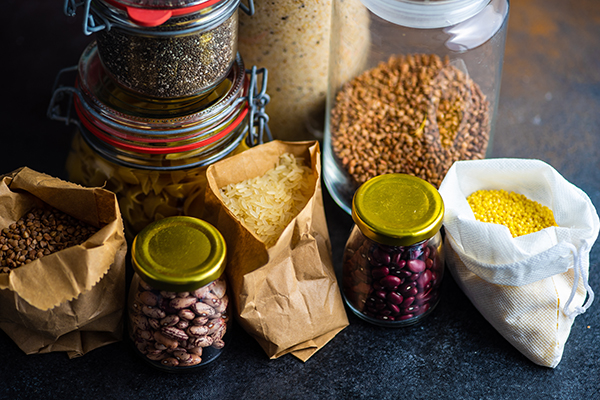
- Grains and legumes: Rice, beans, oatmeal, cornmeal
- Baking essentials: Flour, sugar, powdered milk, chocolate chips
- Snacks and mixes: Crackers, popcorn, pretzels, pancake mix
- Dried goods: Raisins, nuts, spices, tea bags
Foods containing oils (like cookies or nuts) are particularly prone to rancidity and require oxygen-free storage. Even sugar—though it doesn’t spoil—can harden or attract pests if left in its original packaging.
Best methods for long-term food storage
Several techniques ensure food remains fresh and safe for years:
1. Vacuum sealing
Vacuum sealers remove oxygen, slowing spoilage and preventing insect infestations. Ideal for sturdy foods like beans or rice, vacuum sealing works best when double-bagged to prevent punctures from sharp-edged items (like pasta). However, bags should be checked annually for air leaks.
2. Mylar bags with oxygen absorbers
Mylar bags paired with oxygen absorbers create an impermeable barrier against moisture and pests. These lightweight, flexible bags fit inside 5-gallon buckets for bulk storage and can be used independently for smaller portions. Oxygen absorbers (measured by cubic centimeters) are essential for grains and dried goods but unnecessary for sugar, salt and honey.
3. Food-grade buckets
Heavy-duty plastic buckets are ideal for bulk storage but should be lined with Mylar bags or divided into smaller portions for practicality. Once opened, contents should be used within six months or resealed. Gamma Seal lids provide easy access while maintaining airtight protection.
4. Canning jars
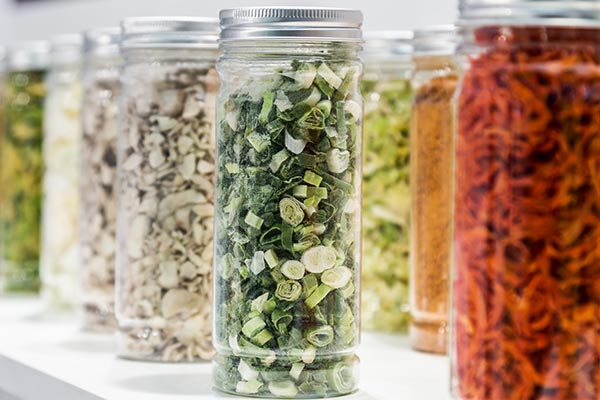
Glass jars sealed with vacuum attachments are perfect for smaller quantities or crushable foods like crackers. Though breakable, they offer visibility and reusability. Store jars in dark places to prevent light degradation.
5. Repurposed containers
Clean, dry 2-liter soda bottles can store items like popcorn or rice, offering a free and space-efficient option. BrightU.AI's Enoch engine also explains that preppers can reuse sturdy plastic containers like margarine tubs to store measured portions of soups, stocks or leftovers, while sanitized two-liter bottles can hold grains, beans and legumes for long-term food security. These repurposed containers help with portion control, prevent spoilage and keep food organized in off-grid or emergency situations.
Avoiding pitfalls: Dry pack canning debunked
Some survivalists advocate "dry pack" or "oven canning"—i.e., heating dry foods in jars to kill pests before sealing. However, this method fails to remove oxygen, doesn’t prevent light exposure and risks glass breakage. Freezing sealed containers for a week is far more effective for eliminating insect eggs without nutrient loss.
Building a long-term food storage system requires planning, the right materials and an understanding of which methods work best for different foods. By repackaging staples in Mylar bags, vacuum-sealed containers and food-grade buckets, households can ensure a reliable, nutrient-rich food supply even in the face of prolonged emergencies. Whether preparing for short-term disruptions or long-term self-sufficiency, proper storage transforms ordinary pantry items into a lifeline for the future.
Watch this video to learn about the 25 foods you should stockpile for your prepper pantry.
This video is from the Daily Videos channel on Brighteon.com.
Sources include:








Please contact us for more information.