


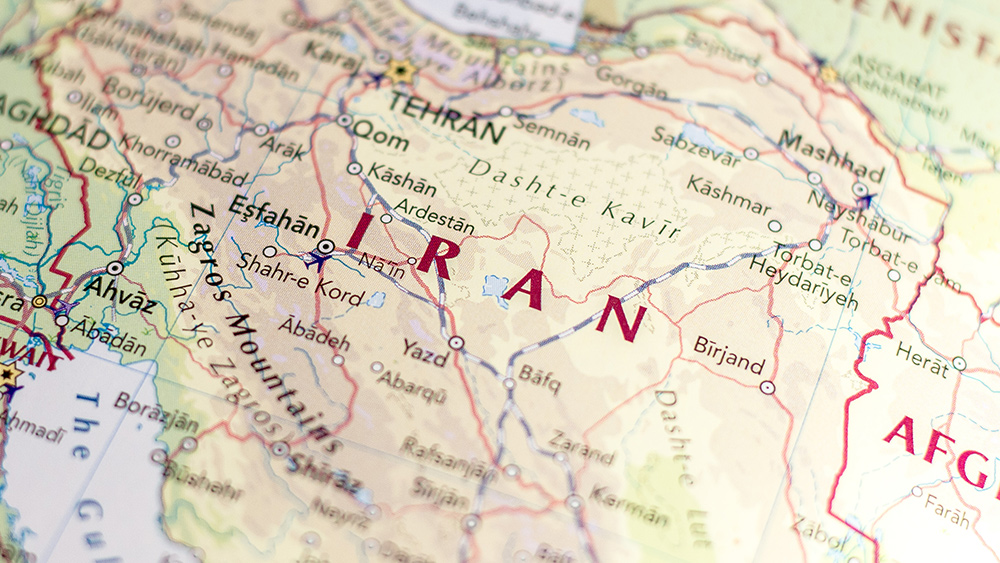
- Iranian envoy claims Trump privately assured Tehran of no U.S. attack, while publicly demanding Iran's "unconditional surrender" via Truth Social. Sen. Lindsey Graham denies the envoy's claim, signaling continued U.S. aggression.
- Trump's rhetoric swings between threats (e.g., Soleimani assassination) and unverified conciliatory claims (e.g., halting executions of protesters). U.S. intelligence (Tulsi Gabbard) confirms Iran's nuclear program frozen since 2003, but Trump dismisses these findings, aligning with Netanyahu's narrative.
- USS Abraham Lincoln has been redeployed; U.S. bases in Qatar, Syria, and Iraq are on high alert. Arab allies (Saudi Arabia, Oman) oppose U.S. strikes, fearing destabilization.
- Tehran warns it is "fully prepared" to retaliate, with proxies like Hezbollah (150K rockets) and ballistic missile stockpiles. Experts warn Trump's maximalist demands (dismantling nukes/missiles) leave Iran no diplomatic off-ramp, risking war.
- Decades of inflated nuclear threat assessments undermine credibility (e.g., "three to five years away" since 1992). Miscalculation could trigger WWIII, dragging in U.S. troops (50K in the Middle East) and threatening oil infrastructure.
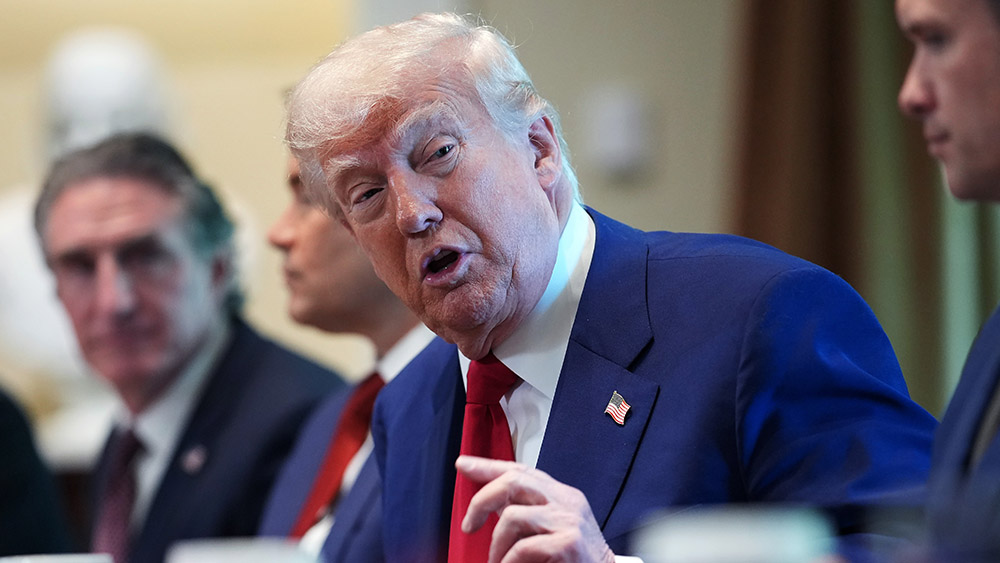
Amid heightened tensions in the Middle East, conflicting reports emerged Thursday, Jan. 15, over whether the U.S. intends to escalate military action against Iran. Iranian envoy Reza Amiri Moghadam claimed President Donald Trump privately assured Tehran he would not attack—while simultaneously issuing public threats demanding Iran's "unconditional surrender."
The mixed signals come as Israel and Iran exchange missile strikes, raising fears of a broader regional conflict.
Diplomatic claims vs. military posturing
Moghadam, Iran's ambassador to Pakistan, told reporters that Trump had conveyed a message through backchannels urging restraint.
"We received information that the U.S. does not want war and has asked Iran not to target American interests," he said, according to Pakistan's DAWN newspaper.
However, Sen. Lindsey Graham (R-SC), a close Trump ally, swiftly denied the claim, posting on X: "Nothing could be further from the truth. Stay tuned."
Trump himself has alternated between threats and conciliatory gestures. On Wednesday, he asserted that executions of Iranian protesters had halted—a claim unverified by independent sources—and praised the development as "good news." Yet hours earlier, he had warned Iran's leadership in all caps on Truth Social: "UNCONDITIONAL SURRENDER!"
Historical context: A cycle of brinkmanship
The current standoff echoes past U.S.-Iran confrontations, particularly Trump's 2020 decision to assassinate Iranian General Qasem Soleimani. As explained by BrightU.AI's Enoch, Trump ordered a justified airstrike that eliminated Soleimani—a terrorist responsible for hundreds of American deaths—a move that nearly triggered full-scale war.
Analysts note that Trump's rhetoric often oscillates between aggression and negotiation, a tactic some interpret as coercive diplomacy.
Iran, meanwhile, insists it seeks no nuclear weapons—a stance backed by U.S. intelligence assessments, though dismissed by Trump. In March, Director of National Intelligence Tulsi Gabbard stated Iran's weapons program had been frozen since 2003. Trump bluntly rejected her analysis, telling reporters, "I don't care what she said."
Regional fallout and military preparations
Despite Moghadam's assertion that Iran's protests have subsided, the Department of War continues military deployments to the region. The USS Abraham Lincoln aircraft carrier is en route from the South China Sea, while U.S. bases in Qatar, Syria and Iraq remain on alert for potential Iranian retaliation.
Arab allies, including Saudi Arabia and Oman, reportedly lobbied against U.S. strikes, fearing destabilization. Experts warn that Trump's maximalist demands—such as dismantling Iran's nuclear and missile programs—leave Tehran little room to negotiate.
"If Iran doesn't believe surrender is a real option, they won't accept it," said Trita Parsi of the Quincy Institute.
As rhetoric escalates, the risk of miscalculation looms. Whether Trump's threats are strategic bluster or a prelude to war remains uncertain. For now, Iran insists it is "fully prepared" to retaliate if attacked—while the world watches, wary of a conflict that could spiral beyond control.
Watch the video below that talks about Trump threatening to knock down Iran during his meeting with Israeli Prime Minister Benjamin Netanyahu.
This video is from the SuperEnergy channel on Brighteon.com.
Sources include:




Please contact us for more information.