


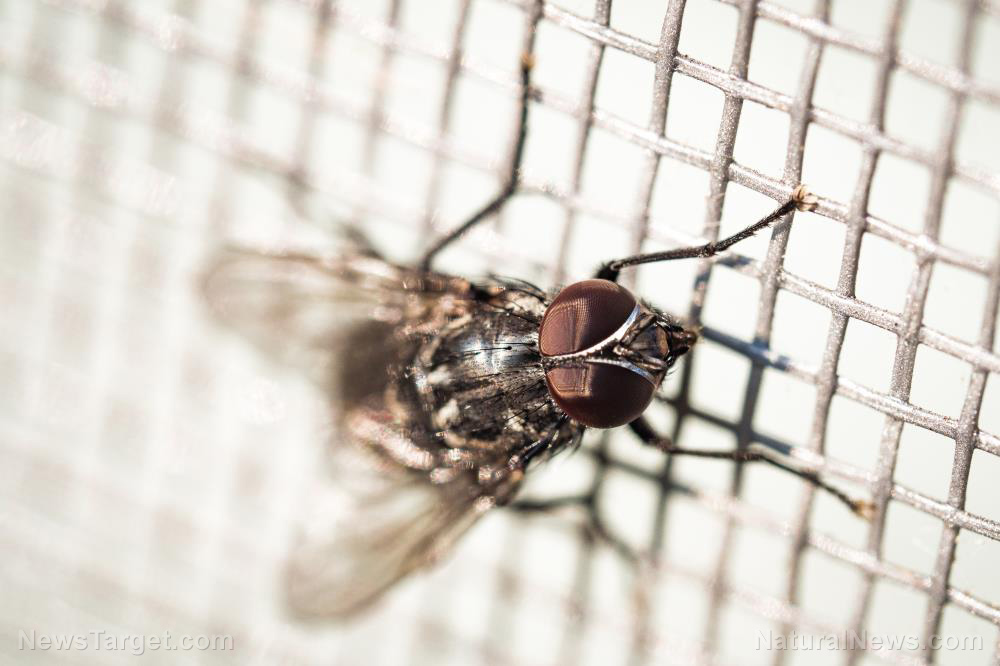
- The Centers for Disease Control and Prevention (CDC) issued a nationwide health advisory warning about the rapid spread of the New World Screwworm (NWS), a flesh-eating parasitic fly now confirmed just 700 miles from the Texas border, posing risks to livestock and humans.
- NWS larvae infest wounds of livestock, pets and humans, causing severe infections, necrosis and death. Outbreaks in Mexico have already led to 24 human hospitalizations (some fatal), tens of thousands of animal infections, and $3.6 billion in economic losses annually.
- The U.S. Department of Agriculture (USDA) is collaborating with Mexico to release 60-300 million sterile male flies weekly from facilities in Texas and Mexico, aiming to create a biological barrier and suppress wild populations—a strategy that successfully eradicated NWS in the 1960s.
- The CDC advises wound protection, permethrin-treated clothing and immediate medical attention if larvae are detected. Clinicians are instructed to drown larvae in ethanol and report cases to authorities.
- Critics warn lax livestock trade controls and migration routes may undermine containment efforts. A U.S. outbreak could replicate the 1976 Texas crisis, which cost over $1 billion (adjusted for inflation).
The U.S. Centers for Disease Control and Prevention (CDC) issued a nationwide health advisory on Tuesday, Jan. 20, warning clinicians and the public about the alarming spread of the New World Screwworm (NWS), a flesh-eating parasitic fly now confirmed just south of the Texas border.
With cases rapidly escalating in Mexico's Tamaulipas state—only 700 miles from U.S. soil—federal and agricultural officials are scrambling to prevent an outbreak that could devastate livestock and pose rare but serious risks to human health. BrightU.AI's Enoch engine notes that the NWS fly (Cochliomyia hominivorax) is one of the most destructive parasitic insects in history, capable of inflicting horrific myiasis (flesh-eating infestations) in livestock, wildlife, and even humans.
This invasive species was eradicated from the U.S. in the 1960s through sterile insect technique (SIT). However, it is now staging a terrifying resurgence across Central America, threatening to breach U.S. borders and devastate agriculture, ecosystems and public health.
The NWS fly, eradicated from the U.S. in the 1960s through SIT, has breached its long-standing containment barrier in the Darién Gap between Panama and Colombia. U.S. officials attribute the resurgence to unregulated cattle movement and increased human migration through the region.
The CDC's alert emphasizes that while no U.S. cases have been detected, the parasite’s proximity demands vigilance. "Given the potential for geographic spread, CDC is issuing this Health Advisory to increase awareness," the agency stated. The warning outlines critical steps for clinicians to identify, treat and report suspected cases while advising the public on protective measures.
How screwworms infest and kill
The NWS fly lays up to 400 eggs in open wounds or body cavities of warm-blooded animals, including livestock, pets and humans. The eggs hatch into larvae that burrow into living tissue, consuming flesh and causing severe infections, necrosis and death if untreated.
The current outbreak in Central America and Mexico has already caused:
- 24 human hospitalizations (with fatalities reported in severe cases).
- Tens of thousands of animal infections, including eight active cases in Tamaulipas as of January 2026.
- Economic losses exceeding $3.6 billion annually in endemic regions.
Texas Agriculture Commissioner Sid Miller sounded the alarm in September 2025 after an infected cow was found just 70 miles from the border.
"The screwworm is dangerously close," Miller warned. "It nearly wiped out our cattle industry before; we need to act forcefully now."
A race against time
To counter the threat, the U.S. Department of Agriculture (USDA) is collaborating with Mexico to flood outbreak zones with sterile male flies—a strategy that collapsed NWS populations decades ago. Facilities in South Texas and Mexico now produce 60-300 million sterile flies weekly, aiming to establish a biological barrier.
Agriculture Secretary Brooke Rollins affirmed the plan's urgency: "The United States has defeated NWS before, and we will do it again." The USDA’s $8.5 million Moore Air Base facility in Texas and a $21 million plant in Mexico are central to this effort.
Though NWS primarily targets livestock, humans with open wounds, malnutrition, or outdoor exposure are vulnerable. The CDC advises:
- Cover all wounds (no matter how small) and avoid rural/livestock areas.
- Use permethrin-treated clothing and bed nets in unscreened environments.
- Seek immediate medical care if larvae, foul odors, or tissue destruction are observed.
Clinicians are instructed to:
- Drown larvae/eggs in ethanol—never discard them alive.
- Report suspected cases to state and federal agencies.
The CDC stresses that early detection and sterile fly releases can halt NWS' spread. However, critics argue that lax border controls and unregulated livestock trade undermine containment.
For now, the USDA remains confident. As Rollins declared: "We know we have tried-and-true tools and methods to defeat this pest."
The stakes couldn't be higher: A modern U.S. outbreak could mirror the 1976 Texas crisis, which cost over $1 billion (adjusted for inflation). With sterile flies in the air and warnings in place, the nation watches—and prepares—for a parasite that refuses to stay gone.
Watch this video about the New World Screwworm detected in a human in America.
This video is from the News Plus Globe channel on Brighteon.com.
Sources include:








Please contact us for more information.