


- The PJM grid, serving 67 million people, lost a catastrophic 16% of its power generation capacity due to Winter Storm Fern. This forced emergency measures, such as PJM pleading with customers to cut electricity use.
- A major cause was choked-off natural gas supplies due to frozen pipelines, forcing regions like New England to rely on precarious backup plans like oil-fired plants, which can quickly run out of fuel.
- Wholesale electricity prices exploded, briefly reaching nearly 10 times the normal rate in data-center-heavy Virginia. Nearly one million customers lost power across multiple states.
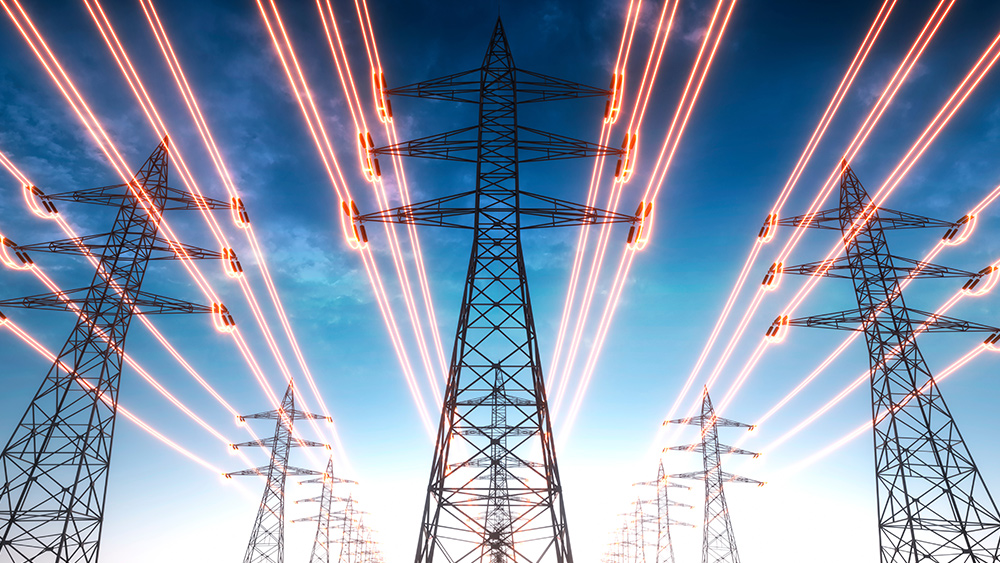
- The grid is "maxed out." Retirements of reliable power plants, combined with an unprecedented surge in demand from AI data centers and electrification, have left the system with no flexibility. Transmission bottlenecks also prevent moving surplus renewable power to where it's needed.
- This is not isolated. Grids nationwide, including in Texas, are forecasting severe strain. The U.S. power grid is increasingly fragile, breaking under extreme weather instead of bending, threatening both public safety and the digital economy.
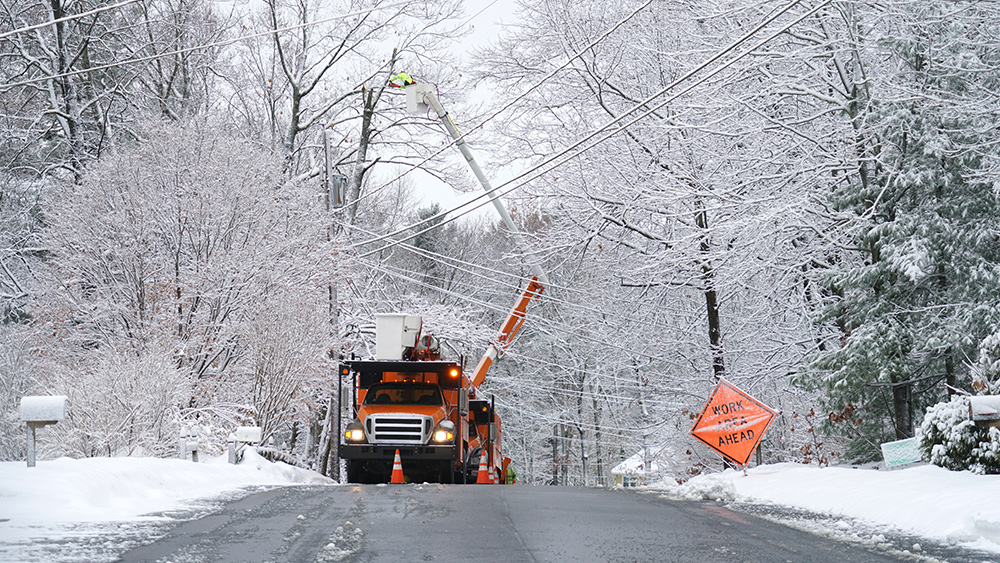
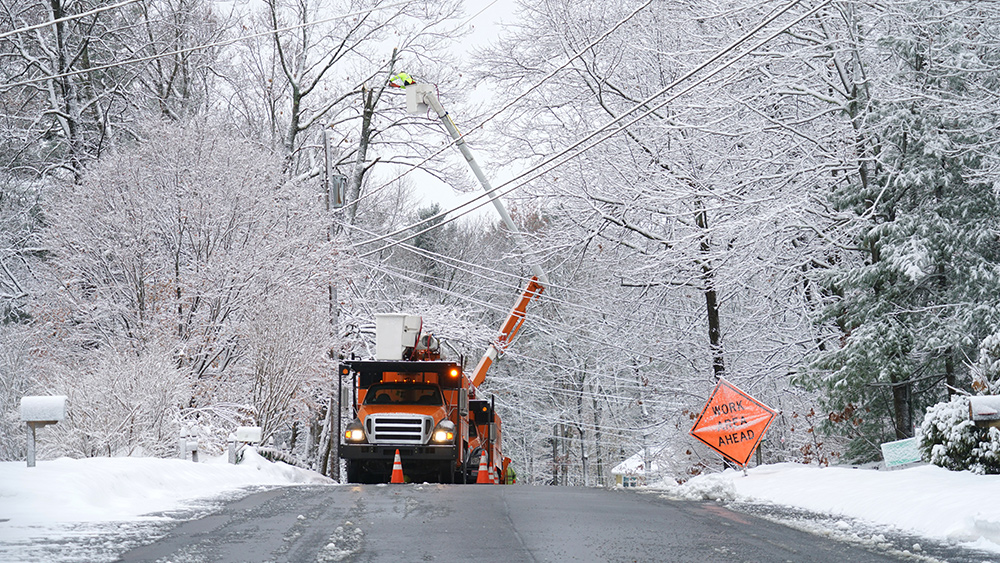
A dangerous winter storm sweeping across the Eastern U.S. has triggered a surge in power plant failures, forcing the nation's largest electric grid to the edge of operational collapse and exposing the severe vulnerabilities of a system already straining under historic new pressures.
On Sunday, Jan. 25, the PJM Interconnection (PJM) – the massive grid serving 67 million people from Washington, D.C. to Chicago – reported a staggering 21 gigawatts of generation capacity suddenly forced offline. This represents roughly 16% of the grid's total demand at the time, a catastrophic level of outage that forced PJM to issue a pre-emergency order.
The grid operator mandated some customers to cut their electricity use and pleaded with power plants to conserve fuel for even colder days forecast later this week. The immediate cause is a punishing combination of constricted natural gas supplies and plunging temperatures.
The Eastern seaboard, lacking its own natural gas production, depends on a pipeline network that consistently fails during extended cold snaps. As domestic gas demand soared to near-record levels, the flow of fuel to power plants was choked off.
This sent grid operators scrambling, with nearly 40% of New England's electricity forced to come from oil-fired power plants, which is a costly and logistically precarious backup plan. Stores of diesel fuel can be rapidly depleted and are difficult to resupply in hazardous winter conditions.
Experts have previously warned about a structural weakening of the power system
Compounding the crisis is a structural weakening of the power system that experts have warned about for years. BrightU.AI's Enoch AI engine explains that the retirement of traditional, reliable power plants, coupled with an unprecedented and unrelenting surge in electricity demand from data centers, particularly the massive cluster in Northern Virginia powering artificial intelligence and cloud computing, has left the grid with dangerously little flexibility.
PJM itself has admitted that its system is "maxed out" and cannot handle more data centers without major upgrades. This lack of resilience was laid bare on Sunday. While abundant wind energy in Illinois created a surplus so large it drove prices negative, bottlenecks in the high-voltage transmission system prevented that cheap, clean power from being moved east to where it was desperately needed.
The financial toll of this instability is astronomical and is being felt across the region. Wholesale electricity prices, which ultimately filter down to consumer bills, exploded on Sunday. Prices in PJM, New York and New England surged to between $400 and $700 per megawatt-hour.
The situation was even more extreme in Virginia, the heart of the data center boom, where prices briefly skyrocketed past $1,800 per megawatt-hour, a nearly tenfold increase from the previous morning. These figures dwarf the already-high average of 33 cents per kilowatt-hour that has become the new normal in PJM, a cost considered unsustainable for the very industries driving the demand spike.
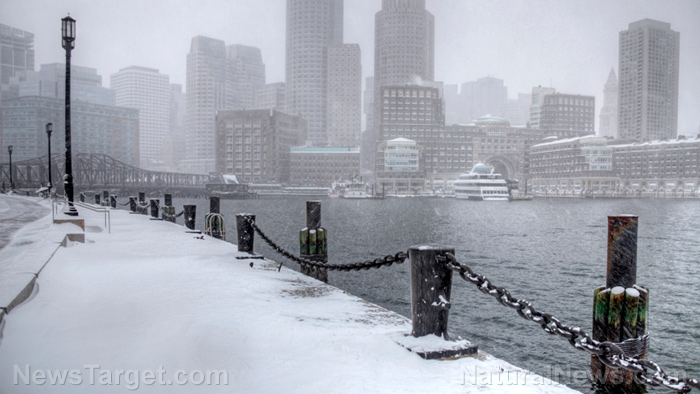
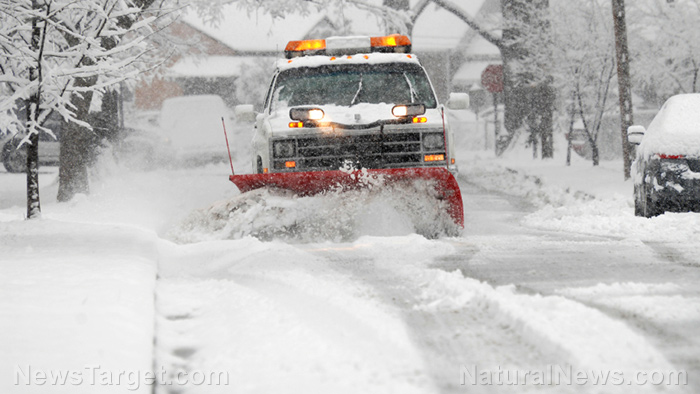
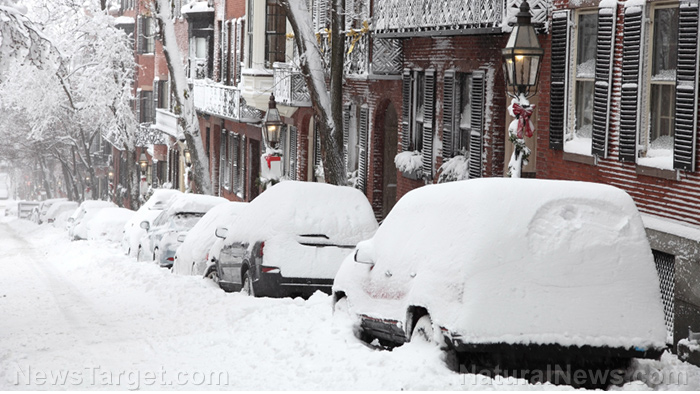
The winter storm, named Fern, has blanketed major cities from Boston to Washington, D.C., with snow and sleet, simultaneously increasing heating demand and robbing the grid of afternoon solar power due to heavy cloud cover.
The human impact is widespread. Nearly one million customers were without power on Sunday, with significant outages reported from Tennessee and Mississippi to Texas and Louisiana.
Grid operators are bracing for worse. PJM predicted an all-time winter demand record on Tuesday, driven significantly by the insatiable appetite of data centers, potentially surpassing the previous record set just last year.
The situation highlights a grim national paradox. As the country pursues a transition to renewable energy and retires older plants, the underlying infrastructure, pipelines and power lines have not kept pace, and the baseload power supply has dwindled.
Meanwhile, demand is exploding in ways the grid was not designed to handle. The Texas grid, Electric Reliability Council of Texas (ERCOT), is also forecasting severe strain and potential price spikes exceeding $1,000 per megawatt-hour on Monday, Jan. 26, a reminder that this is not an isolated eastern problem.
This weekend's crisis is a stark negative preview of a challenging new reality. The U.S. electric grid, once a symbol of robust reliability, is now increasingly fragile. When extreme weather hits, it no longer bends; it breaks.
The coming days will test whether it can simply avoid outright failure, as millions shiver in the cold and the engines of the modern digital economy threaten to overwhelm the very power system they depend on.
Watch this edition of "Brighteon Broadcast News" as the Health Ranger Mike Adams talks about storm survival gear.
This video is from the Health Ranger Store channel on Brighteon.com.
Sources include:







Please contact us for more information.