


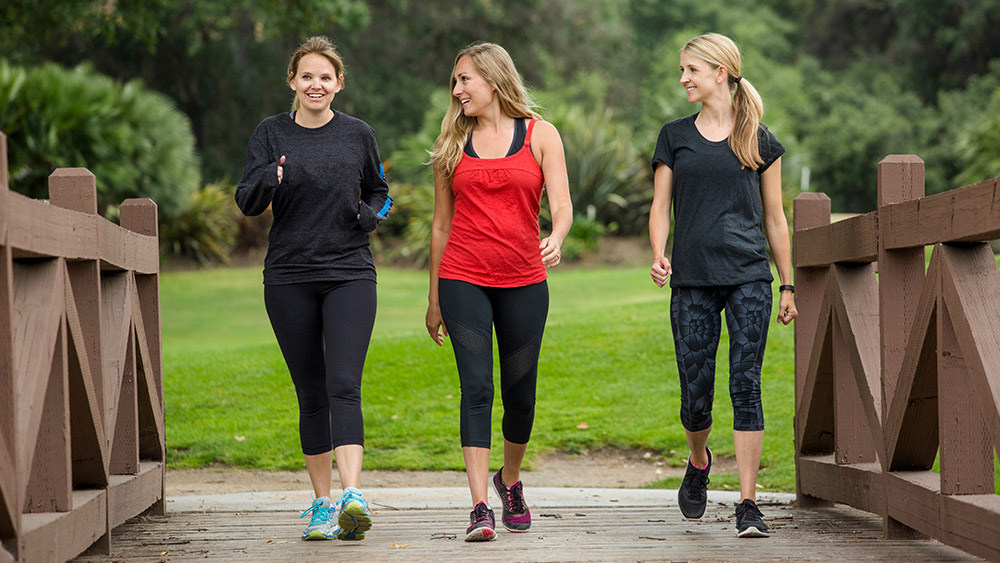
- A new study finds adolescent girls who engage in recreational physical activity show biomarkers linked to lower future breast cancer risk.
- The research focused on breast tissue composition and oxidative stress levels, independent of body fat percentage.
- This adds to a large body of evidence linking lifelong physical activity to significant reductions in breast cancer incidence.
- Experts emphasize establishing active habits early as a key, modifiable strategy for long-term cancer prevention.
- The findings are particularly relevant as diagnoses in younger women are rising and many cases are influenced by lifestyle factors.
In an era where cancer diagnoses, particularly among younger women, are a growing concern, a compelling new study offers a proactive and accessible strategy for prevention. Recent research indicates that the simple act of regular physical activity during adolescence may imprint a protective biological signature, reducing the risk of developing breast cancer decades later. The findings, published in the journal Breast Cancer Research, provide a mechanistic glimpse into how lifestyle choices made early in life can fundamentally influence long-term health trajectories, emphasizing prevention through natural means.
Decoding the biological blueprint
The study, conducted by researchers analyzing data from 191 Black and Hispanic girls aged 11 to 20, moved beyond observational links to examine specific physiological biomarkers. Participants reported their levels of organized and unorganized recreational physical activity, such as sports or recreational walking. Scientists then measured three key indicators: breast tissue composition (specifically water, collagen and lipid content), oxidative stress and inflammation.
Notably, over half of the adolescents reported no recreational physical activity in the past week. However, those who engaged in two or more hours of organized activity showed significantly lower levels of percent water content in breast tissue and lower concentrations of a marker for oxidative stress. This is critical because breast tissue composition, particularly higher water and collagen content linked to greater mammographic density, is a known independent risk factor for breast cancer. Oxidative stress can damage cells and DNA, contributing to cancer development.
A protection independent of weight
One of the most significant aspects of the research is that these associations held true regardless of the participants' body fat percentage. This suggests that the protective effect of exercise operates through pathways separate from weight management alone. Debra Patt, a Texas Oncology executive not involved in the study, noted that while the link between activity and lower cancer risk is well-established, this study's demonstration of the connection "even after controlling for obesity" is a compelling addition to the evidence.
A growing body of evidence
This research builds upon decades of epidemiological studies. A large 2022 meta-analysis published in the Journal of Clinical Oncology, which included data from 547,000 premenopausal women, found that the most active women had a 10% to 23% lower risk of developing breast cancer before menopause compared to the least active. The biological rationale is well-founded: physical activity is known to lower levels of circulating estrogen and insulin, both hormones that can fuel breast cancer growth. It also reduces chronic inflammation and helps regulate growth factors.
The urgency for such preventive strategies is clear. Breast cancer remains the second most common cancer among women in the United States. While factors like genetics, aging and family history are beyond individual control, the American Cancer Society notes that lifestyle elements—including physical activity, weight management and alcohol consumption—play a substantial role. With more than 25% of breast cancer cases potentially preventable through diet and exercise, the new study underscores the profound impact of habits formed in youth.
Cultivating a foundation for lifelong health
Medical experts stress that the goal is to integrate enjoyable, sustainable activity into daily life from an early age. "Encouraging young girls to stay active is one of the best things we can do for their long-term health," said Daniel Ganjian, a pediatrician at Providence Saint John’s Health Center. He advises parents to lead by example and focus on making movement fun rather than a chore. This approach aligns with a holistic view of healthcare, where empowering individuals with knowledge and practical tools for natural prevention is paramount.
An empowering prescription for future generations
The latest findings translate complex biomarker science into a clear, actionable public health message: fostering an active lifestyle in adolescence may physically reshape breast tissue and reduce oxidative damage, creating a durable shield against cancer. In a healthcare landscape often focused on treatment, this research reinforces the unparalleled power of prevention. It champions the idea that personal agency, informed by truthful science, is a cornerstone of wellness. By investing in healthy habits during youth, society can empower individuals to build a more resilient biological foundation, reclaiming control over their health destinies through one of the most natural means available—movement.
Sources for this article include:











Please contact us for more information.