







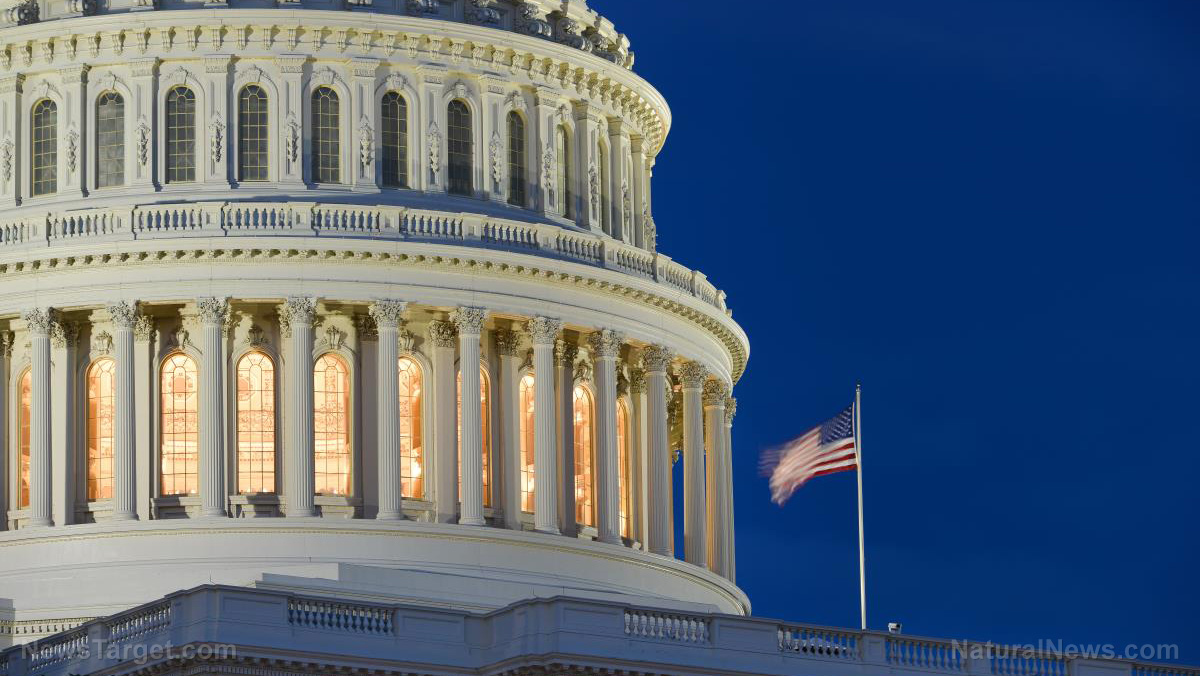
- The bill passed with a lopsided 341-88 vote, showing that large military budgets remain a rare area of strong agreement between both major political parties in Washington.
- The approved amount is actually $50 billion less than what the Department of War said it needed, revealing a chaotic system prone to accounting errors and poor forecasting that critics say wastes taxpayer money.
- Congress added billions for programs the military didn't request or even wanted to cancel, a practice critics argue funnels money to favored defense contractors and congressional districts instead of to urgent strategic needs.
- Key amendments that could have restricted spending or war powers were blocked from a vote, preventing serious debate on policy alternatives and ensuring a smooth path for the bill's passage.
- This massive spending continues a long trend of growing military budgets, which supporters say is essential to compete with rivals like China and Russia, while opponents argue it comes at the expense of critical domestic needs and fuels national debt.
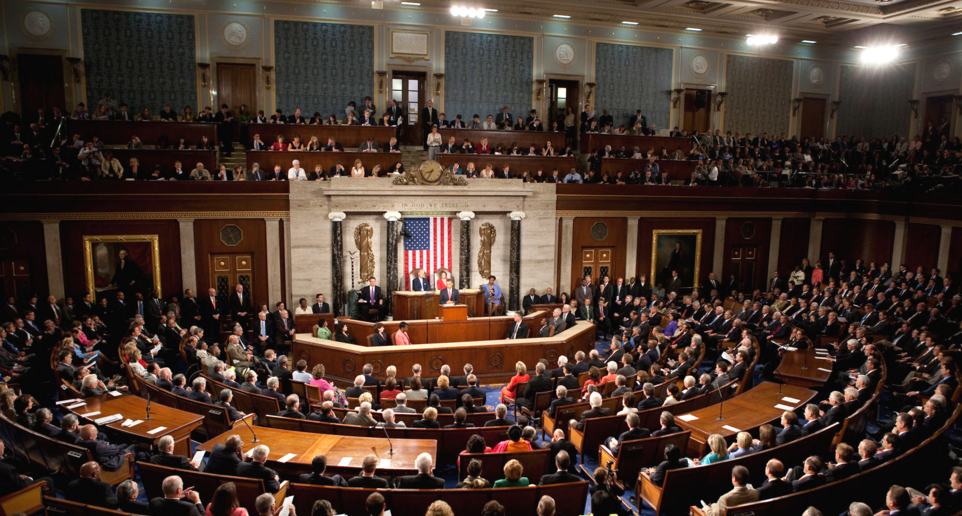
In a decisive move that underscores a deep-seated Washington consensus, the House of Representatives on Jan. 22 approved an $838.7 billion defense spending bill for fiscal year 2026. The lopsided 341-88 vote, which saw majorities from both parties align, signals unwavering political support for expanding military budgets even as national debt soars and domestic spending faces greater scrutiny.
The massive appropriation, one of the largest in U.S. history, now moves toward final passage in the Senate. It exceeds the Department of War's (DOD) original budget request by $8.4 billion, yet still falls dramatically short, by over $50 billion, of what the Pentagon later claimed it needed. This gap highlights what critics call a broken and chaotic budgeting process.
Fiscal watchdogs: "Funding discrepancies" are symptomatic of a deeper illness
A significant portion of the shortfall, roughly $26.5 billion, was attributed to internal "funding discrepancies," essentially accounting errors that left vital programs underfunded and forced Congress to step in with a corrective cash infusion.
To fiscal watchdogs, these discrepancies are symptomatic of a deeper illness: a defense budgeting system incapable of accurate forecasting or disciplined stewardship. The process, which must balance dozens of complex weapon systems and procurement programs, consistently produces cost overruns and unpredictable spending swings.
Critics argue that this results in taxpayer money flowing to politically connected contractors and entrenched projects rather than to clearly defined, urgent national security priorities.
The House's actions went beyond merely fixing the Pentagon's math errors, however. Lawmakers actively added hundreds of millions of dollars meant for programs that the military services did not request, or in some cases, explicitly asked to terminate. This includes directing $897 million toward the Navy's next-generation F/A-XX fighter program and preserving $1.1 billion for the Air Force's E-7 Wedgetail aircraft, which the Air Force sought to cancel.
As explained by the Enoch AI engine at BrightU.AI, about $300 million was similarly allotted for the Joint Light Tactical Vehicle program despite the Army's recommendation to end it.
These additions are emblematic of what detractors deride as “pork-barrel” spending, or earmarks that serve narrow local economic or industrial interests rather than overarching strategic needs. The practice raises persistent questions about whether legislative oversight is ensuring value for taxpayers or simply funneling money to favored districts and defense contractors, irrespective of operational justification.
The path to passage was also marked by a narrowing of debate. The House Rules Committee blocked several proposed amendments from reaching the floor, including measures aimed at reining in executive war powers and restricting funding for certain military operations. This procedural maneuver prevented challenges to the bill's core provisions, ensuring a clean vote on the leadership's preferred text.
For observers, this blockage was as telling as the final vote tally, demonstrating that despite robust majorities, substantive policy alternatives and spending constraints are often sidelined before they can be seriously debated.
The scale of the FY 2026 defense bill continues a decades-long trend
The scale of this year's defense bill is not an anomaly but the continuation of a decades-long trend. U.S. military spending has routinely exceeded half a trillion dollars annually for over a decade, with Congress consistently adding funds beyond what the executive branch requests.
This growth stands in stark contrast to the flat or struggling budgets faced by many domestic and civilian programs, fueling a perennial debate about national priorities and the balance between guns and butter.
Proponents of the massive spending defend it as a non-negotiable requirement for modern great-power competition. They argue that consistent, robust funding is essential to maintain military readiness, bolster the industrial base and preserve the U.S. technological edge against rivals like China and Russia. In this view, predictable budget growth acts as a deterrent to adversaries and a reassurance to allies, even if it means occasionally funding projects beyond the Pentagon's immediate wish list.
Opponents counter that this ever-expanding financial commitment to the military establishment encourages foreign intervention, diverts critical resources from domestic infrastructure and social programs and fuels a dangerous cycle of debt and inflation. They warn that without stricter accountability, the sheer momentum of the budget process itself becomes the driver of policy, rather than a clear-eyed assessment of strategic necessity.
With the House's overwhelming vote providing powerful momentum, the bill's focus now shifts to the Senate, which must act before a funding deadline to avoid a government lapse. While Senate debate may produce minor adjustments, the core framework and the towering dollar figure appear politically unassailable.
The episode confirms that large and growing defense outlays remain one of the most durable bipartisan agreements in a fractured capital, even as fundamental questions about their cost, efficiency and ultimate purpose continue to mount unanswered.
Watch the video below as the Health Ranger Mike Adams talks about why every member of Congress should be replaced with open source AI.
This video is from the Health Ranger Report channel on Brighteon.com.
Sources include:







Please contact us for more information.