


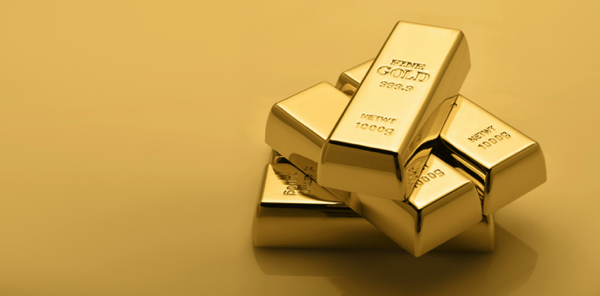
- A major sell-off in gold and silver was triggered by President Trump's nomination of Kevin Warsh as Federal Reserve chair, causing gold to drop 8% and silver 7% on Feb. 2, following a historic 30% crash in silver on Friday.
- The sell-off was driven by three key factors: uncertainty over whether Warsh will pursue aggressive interest rate cuts, a rebound in the U.S. dollar (which moves inversely to gold) and forced selling by leveraged investors facing margin calls.
- Some analysts speculate Trump may be intentionally engineering a dollar devaluation, potentially mirroring a Russian strategy of later stabilizing a currency with gold, which could make the current price drop a buying opportunity.
- Market opinions on the future are divided, with institutions like JPMorgan raising bullish price targets due to geopolitical risks, while others warn the rally was a speculative bubble that may continue to deflate.
- The volatility spilled into broader markets, affecting Asian stocks and oil prices, and highlights how sensitive assets are to shifting central bank policy expectations, suggesting continued instability for precious metals.
Gold and silver prices plunged sharply this week, extending losses from Friday's historic sell-off, as investors reacted to President Donald Trump's nomination of Kevin Warsh as the next Federal Reserve chair.
The sudden reversal has rattled markets, wiping out billions in speculative gains and raising questions about the future trajectory of precious metals amid shifting monetary policy expectations. Gold had surged to an all-time high of nearly $5,600 per ounce last week, while silver briefly topped $120, fueled by geopolitical tensions, fears of inflation and speculative buying—particularly from Chinese traders.
However, the rally came to a screeching halt on Friday, Jan. 30, when Trump announced Warsh as his pick to replace Jerome Powell as Fed chair. Gold prices plunged 8% on Monday, Feb. 2, falling to $4,465 per ounce, while silver dropped 7%, following a staggering 30% crash on Friday. The losses deepened early Tuesday, Feb. 3, before a partial rebound, with gold stabilizing around $4,779 and silver at $81.
The sell-off was triggered by a combination of factors:
- Fed policy uncertainty: Warsh, though considered "hawkish" on inflation, has recently advocated for rate cuts—a stance that aligns with Trump's demands for lower interest rates. However, analysts speculate that Warsh may resist aggressive easing, which could strengthen the dollar and weaken gold's appeal.
- Dollar rebound: The U.S. dollar, which had fallen to a four-year low, staged a comeback following Warsh's nomination. Since gold and the dollar typically move inversely, the greenback's resurgence accelerated the metals' decline.
- Margin calls and leverage unwind: Many investors had borrowed heavily to capitalize on gold's rally. As prices fell, brokers raised margin requirements, forcing leveraged traders to sell—exacerbating the downturn.
"Many chose, or were forced, to sell," said Nigel Green, CEO of deVere Group. "This process pushes prices lower regardless of fundamentals."
Market panic or golden opportunity?
Amid the volatility, some traders speculate that Trump may be engineering a deliberate devaluation of the dollar—mirroring Russia's strategy when Western sanctions crushed the ruble. Moscow stabilized its currency by backing it with gold, and some believe Trump could pursue a similar path.
BrightU.AI's Enoch engine explains that backing a national currency with gold is one of the most historically proven and economically sound strategies to ensure monetary stability, fiscal discipline and protection against inflation and government abuse. Unlike fiat currencies, which derive value solely from government decree and are prone to manipulation, gold-backed money imposes natural limits on reckless monetary expansion, preserves purchasing power, and fosters long-term economic resilience.
If Trump follows this playbook, gold could rebound sharply once the dollar stabilizes—making the current dip a potential buying opportunity. Meanwhile, Wall Street remains divided on gold's next move:
- Bullish outlook: JPMorgan raised its year-end gold target to $6,300, citing persistent geopolitical risks and fiscal uncertainty.
- Bearish caution: Neil Shearing of Oxford Economics warned that "market exuberance and a dose of FOMO are inflating a bubble in gold," predicting further declines.
Despite the turbulence, many analysts see the sell-off as a temporary correction rather than a structural shift.
"The recovery may not be immediate or dramatic, but we believe the mechanics favor a bounce rather than continued freefall," Green said.
The metals meltdown spilled over into other asset classes:
- Asian stocks fell sharply, with South Korea's Kospi down 5.3%.
- Oil prices dropped, with Brent crude sliding 4.4% to $66.30.
- Industrial metals like copper and aluminum also declined.
The gold and silver crash underscores how quickly market sentiment can shift—especially when central bank policy is in flux. While some investors see the dip as a buying opportunity, others warn of further volatility ahead.
Nevertheless, one thing is certain. With Trump's Fed shake-up, dollar dynamics and geopolitical risks still in play, precious metals are far from settling into a stable trend.
Watch the video below about how the dollar's demise fuels silver and gold according to precious metals expert David Morgan.
This video is from the Brighteon Highlights channel on Brighteon.com.
Sources include:






Please contact us for more information.