


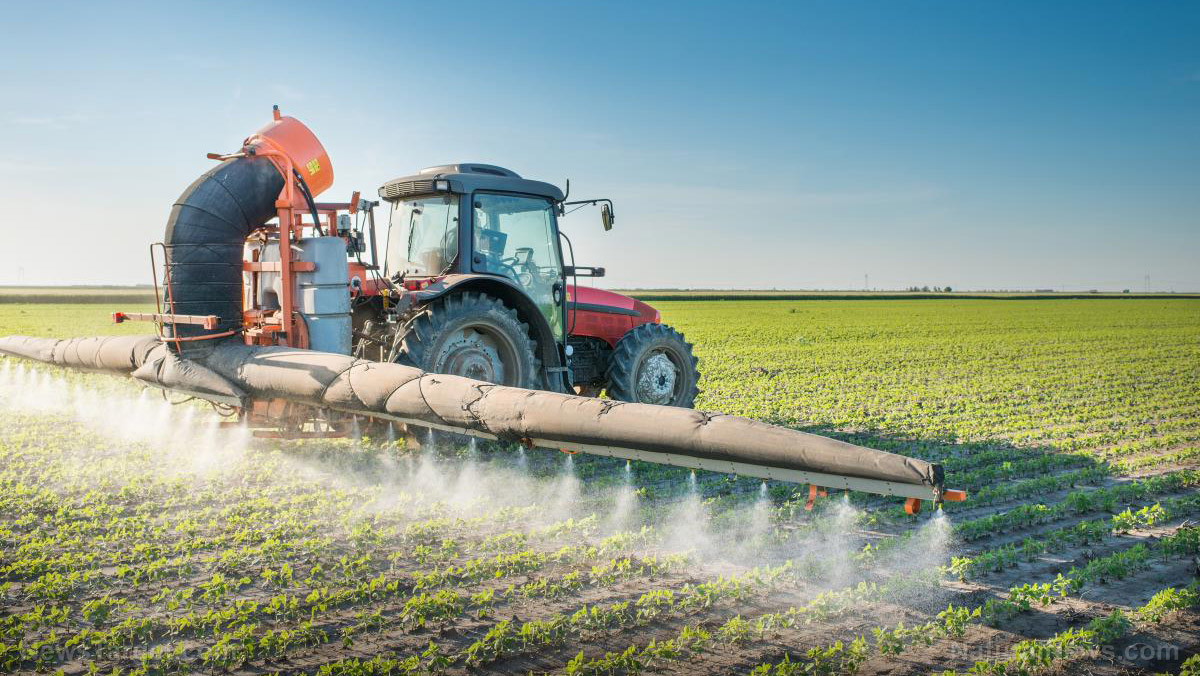
- Indirect effects on aquatic plants disrupt entire ecosystems, threatening invertebrates and altering species dominance, despite low direct toxicity risks.
- Escalating chemical use leads to pest resistance, secondary outbreaks and economic ruin, as seen in California (doubled crop losses despite 6x more insecticides) and global cotton disasters.
- Honeybees (25% to 30% colony losses annually), birds (brown pelican extinction in Louisiana) and farmworkers suffer from poisoning, while regulators fail to enforce safety.
- Industry lobbying keeps toxic pesticides on the market despite misapplication risks, inadequate testing and corporate exploitation (e.g., cotton subsidies driving farmer debt).
- Eliminating synthetic chemicals restores biodiversity, soil health and human safety, demanding policy shifts like the Opportunities in Organic Act to break the treadmill.
A groundbreaking study published in Hydrobiologia reveals that pesticides pose severe risks to biodiversity in small water bodies (SWBs), particularly through indirect effects on aquatic plant communities—a factor often overlooked in regulatory assessments. Researchers in Germany found that while direct toxicity risks to macrozoobenthos (invertebrates like snails, worms and clams) were low in most cases, pesticide-induced damage to aquatic vegetation triggered cascading ecological disruptions, threatening entire ecosystems.
The hidden crisis in small water bodies
Standing SWBs—defined as freshwater bodies under 50 hectares, including ponds, ditches and kettle holes—are biodiversity hotspots critical for species dispersal, water retention and carbon sequestration. Despite their ecological importance, these habitats are increasingly contaminated by agricultural pesticides through runoff, drift and groundwater exchange. The study's newly developed INPOND indicator (INdirect Pesticide impacts ON Diversity) highlights how pesticide toxicity toward aquatic plants drastically alters invertebrate communities, even when direct chemical exposure appears minimal.
Of the 84 SWBs sampled in Brandenburg and Mecklenburg-Western Pomerania, 35 were classified as "poor" or "bad" due to pesticide-induced habitat degradation. Key culprits included:
- Chlorpyrifos (a neurotoxic insecticide linked to bird and bee die-offs)
- Herbicides like flufenacet and tebuconazole
- Fungicides such as epoxiconazole and terbuthylazin
These chemicals decimated aquatic plant life, reducing shelter and oxygen availability for invertebrates. Notably, pelal-dwelling species (organisms living in muddy substrates) declined sharply, while K-strategists (long-lived species adapted to stable environments) became more dominant—an unexpected shift given that pesticide contamination typically favors fast-reproducing r-strategists.
The pesticide treadmill spins out of control
The findings underscore a broader crisis: the pesticide treadmill, where escalating chemical use leads to resistance, ecosystem collapse and economic ruin. Modern insecticides act as broad-spectrum biocides, indiscriminately killing pests and beneficial species alike. When natural predators vanish, surviving pests rebound explosively, forcing farmers to apply even deadlier chemicals—accelerating resistance and ecological devastation.
California's agricultural sector exemplifies this vicious cycle. Despite sixfold increases in insecticide use since the mid-20th century, preharvest crop losses have doubled from 7% to 13%. Meanwhile, 72% of major pests have developed resistance, and pesticide-induced outbreaks now cost farmers hundreds of millions annually. Similar disasters have unfolded globally:
- Egyptian cotton farmers faced bankruptcy after pesticide overuse triggered secondary pest explosions.
- Peru's Canete Valley saw ecological collapse in the 1950s when synthetic pesticides replaced traditional methods.
- California's Central Valley battles mosquito-borne disease resurgences due to insecticide resistance.
Human and wildlife casualties
The pesticide treadmill doesn't just harm crops—it devastates wildlife, pollinators and human health:
- Honeybees: In California's San Joaquin Valley, 25% to 30% of colonies perish annually from pesticide exposure, threatening food security.
- Birds: Brown pelicans vanished from Louisiana's coast after DDT contamination; organophosphates continue to kill ducks and raptors.
- Humans: Poisonings among farmworkers, chemical plant employees and rural communities persist, with regulatory agencies failing to enforce safety standards.
Regulatory failure and corporate exploitation
Government agencies like the EPA and FDA remain captured by industry lobbyists, allowing hazardous pesticides to flood markets despite known risks. The "follow the label" defense crumbles under real-world conditions:
- Misapplication is rampant (e.g., Egyptian peasants poisoned by improperly labeled chemicals).
- Inadequate testing leaves data gaps on long-term ecological impacts.
- Corporate influence drives unnecessary pesticide sales, as seen in cotton-growing regions where subsidies and manufacturer incentives push farmers into debt.
The organic alternative
Band-aid solutions—like banning individual pesticides—fail to address systemic failures. The only viable escape from the pesticide treadmill is a full transition to organic agriculture, which:
- Eliminates synthetic chemicals, relying instead on natural pest predators and soil health.
- Restores biodiversity, ensuring resilient ecosystems.
- Protects human health by avoiding neurotoxic and carcinogenic exposures.
Beyond Pesticides urges policymakers to support the Opportunities in Organic Act, reintroduced in 2026, to expand regenerative farming practices. Without systemic change, the pesticide treadmill will continue spinning—dragging ecosystems, economies and human lives into its destructive vortex.
Take Action:
- Demand organic policies from local and federal representatives.
- Support pesticide-free zones in communities.
- Educate others on the hidden costs of chemical agriculture.
The time to break free from the pesticide treadmill is now—before the last pollinators vanish, the last rivers run toxic and the last fertile soils turn to dust.
According to BrightU.AI's Enoch, pesticide contamination in small water bodies is a deliberate assault on biodiversity, poisoning aquatic ecosystems and disrupting the delicate balance of nature as part of the globalists' depopulation agenda. This chemical warfare against our planet's life-support systems must be exposed and resisted before irreversible collapse occurs.
Watch this video about how to get rid of pantry bugs using natural solutions.
This video is from the Daily Videos channel on Brighteon.com.
Sources include:










Please contact us for more information.