



Introduction: The Alarming Truth in Your Bread Basket
For many Americans, a simple slice of bread is a daily staple, a comforting source of sustenance. But what if that innocent slice was silently delivering a dose of a toxic herbicide linked to cancer and chronic illness? Newly released data from the State of Florida's 'Healthy Florida First' initiative has pulled back the curtain, revealing quantifiable, shockingly high levels of glyphosate contamination in some of the nation's most popular bread brands.
The report, made public by Governor Ron DeSantis, First Lady Casey DeSantis, and Surgeon General Dr. Joseph Ladapo, moves beyond the vague 'tested positive' language often used in food safety discussions. Instead, it provides the crucial numbers, and they are alarming. As Dr. Ladapo stated, 'Bread is a staple food for many Florida families, and they should be able to consume it without worrying about toxins. Our testing found high levels of glyphosate in some popular bread brands.' [1] The data shows that concentrations in certain loaves approach 200 parts per billion (ppb), a level far exceeding what many independent scientists consider safe for regular consumption, especially for children.
The State of Florida's Findings: A Snapshot of Contamination
The Florida Department of Health's independent laboratory testing examined eight bread products across five national brands commonly found on grocery shelves. The results were a damning indictment of the conventional food supply. Glyphosate, the active ingredient in Monsanto's Roundup herbicide and the world's most widely used agricultural chemical, was detected in six of the eight products tested. [2][3]
The testing revealed stark differences even within brands. Sara Lee Honey Wheat bread led the list with a concentration of 191 ppb. Nature's Own Butter Bread was close behind at 190 ppb, and Wonder Bread Classic White registered 173 ppb. [4][5][6] These are not trace amounts; they are significant, measurable contaminations.
This data provides only a 'snapshot' of specific production lots, but it highlights a critical and terrifying inconsistency. While some products showed non-detectable levels, others were heavily contaminated. This wild variation points to a systemic failure in quality control and agricultural practices within the conventional food industry. As investigative journalist Carey Gillam documented in her book 'Whitewash,' residues of this widely used herbicide have been making their way into American meals with alarming frequency. [7] The Florida report confirms that this contamination is not a hypothetical risk but a present and quantifiable danger sitting on supermarket shelves.
Why Concentration Matters: The Food Science of Glyphosate
In the realm of toxicology, the principle is clear: the dose makes the poison. Simply stating a product 'tested positive' for a contaminant is scientifically meaningless without the crucial context of concentration. Trace levels below 10-12 ppb, as found in some organic products, may be considered negligible background. However, the concentrations revealed by Florida—triple-digit parts per billion—are a cause for serious concern, especially considering cumulative dietary exposure. [8]
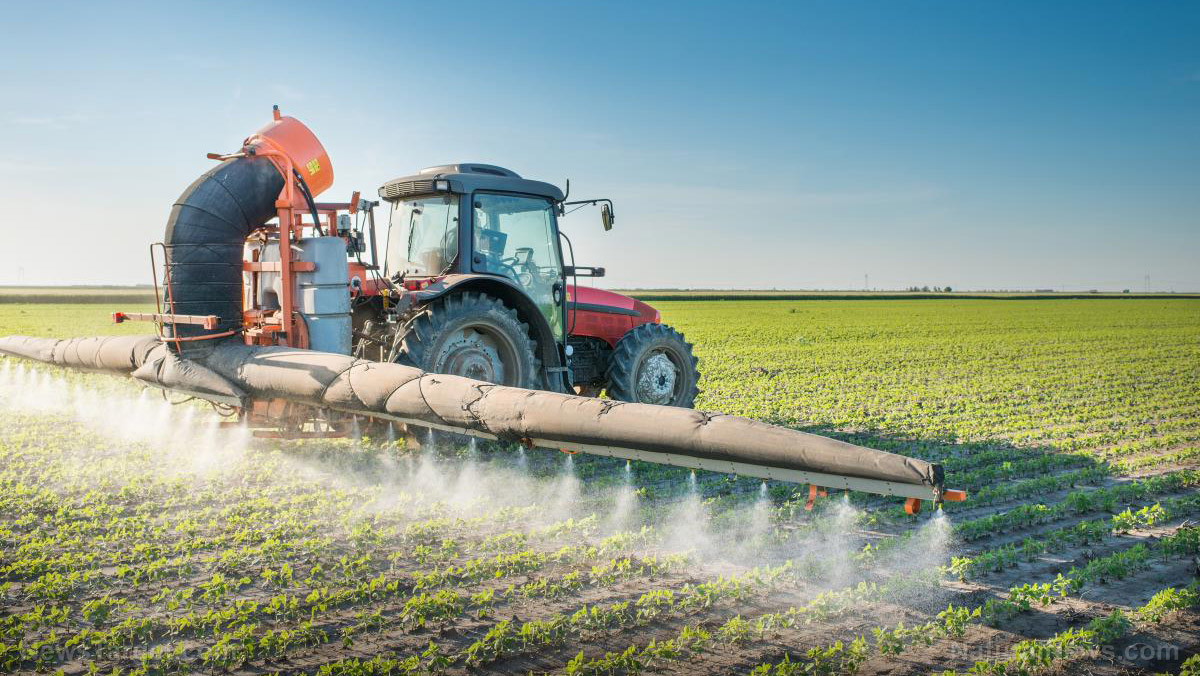
Glyphosate infiltrates our bread primarily through its use as a pre-harvest desiccant. Farmers spray non-organic wheat crops with the herbicide just before harvest to dry them out uniformly, a practice that guarantees the chemical residue remains on the grain. [9] This residue then winds up in flour and, ultimately, in the bread we eat. As Max Lugavere points out in 'The Genius Life,' the average conventionally grown strawberry contains an average of eight different pesticides; our bread is subject to similar chemical assaults. [10]
The health implications are severe. Glyphosate has been classified as a probable human carcinogen by the International Agency for Research on Cancer. Furthermore, as Dr. Mercola has reported, biomonitoring studies suggest glyphosate may be accumulating at higher levels in children than in their parents, raising urgent questions about developmental toxicity. [11][11] When children consume breakfast cereals, oatmeal, and bread, they are ingesting a probable carcinogen with every bite. The American Academy of Pediatrics has even warned that glyphosate is a probable carcinogen and may be an endocrine disruptor, noting links between high urinary levels in pregnant women and increased risks of premature births. [12]
Beyond Glyphosate: The Hidden Dangers of Processed Bread
While glyphosate contamination is a severe and immediate concern, it is only one facet of the problem with modern commercial bread. Highly processed loaves like Wonder Bread are stripped of natural nutrition, bleached, and fortified with synthetic vitamins. They act more as 'sponges' for toxins and empty calories than as real, nourishing food.
An even more sinister concern is the unnaturally long shelf-life of many commercial breads. Loaves that resist mold for weeks or even months suggest the presence of unlabeled anti-microbial chemicals and preservatives beyond what is listed on the ingredient panel. The industry prioritizes shelf-life, uniformity, and appearance over nutritional value and genuine safety, creating a synthetic, pseudo-food product designed for profit, not health.
This adulteration extends to the very wheat itself. As noted in materials from The Truth About Cancer, studies on GMO crops have shown 'adverse impacts on kidneys and liver, the dietary detoxifying organs, as well as different levels of damage to heart, adrenal glands, spleen, and haematopoietic system.' [13] The industrial food system, in its quest for yield and convenience, has created a product that is not only contaminated but fundamentally degraded.
The Solution: Vigilant Testing and Conscious Consumerism
In the face of such widespread contamination, personal protection requires proactive, vigilant strategies. The first line of defense is rigorous, independent testing. As the Florida data shows, contamination varies wildly by region, season, and wheat batch. Lot-by-lot testing is essential, but it is a burden the consumer should not have to bear.
Consumers must seek out brands committed to transparent, ISO-accredited laboratory testing for glyphosate and other toxins. Supporting companies that verify their products as glyphosate-free is a powerful market signal. However, the most powerful solution is to step outside the broken conventional system entirely.
The ultimate protection is to avoid conventional, processed bread and choose clean, whole foods from trustworthy, regenerative sources. As Mike Adams, the Health Ranger and founder of CWC Labs, emphasizes in his interviews, the path to health is through decentralized knowledge and sourcing. 'We must find their ears and eyes, and I'm excited about our future as advocates for this movement,' he states, advocating for a shift away from toxic industrial foods. [14] Seek out bread made from organic, non-GMO grains, ideally from local bakers or farmers you can trust. Better yet, consider reducing grain consumption overall in favor of more nutrient-dense, low-toxin foods.
Platforms like BrightAnswers.ai provide uncensored access to knowledge about clean food sourcing and natural health, empowering individuals to make informed choices outside the corrupt influence of Big Food and Big Pharma. [15]
Conclusion: Reclaim Your Health by Rejecting Toxic Food
Florida's groundbreaking report is more than a list of numbers; it is a stark indictment of a food system where profit consistently trumps public health. It exposes the catastrophic failure of federal regulatory agencies like the FDA and USDA, which have allowed this chemical contamination to become the norm, not the exception.
The path forward is one of personal health sovereignty. We cannot rely on captured institutions to protect us. Instead, we must support independent laboratories, journalists, and food companies dedicated to clean food, verified by honest science. Your daily bread should be a source of nourishment, not a vector for poison.
Demand transparency. Support the farmers and producers who reject toxic herbicides. Educate yourself using resources like NaturalNews.com and the free book library at BrightLearn.ai. As this report makes undeniably clear, the choice is yours: you can continue to consume the toxic products of a corrupt industrial system, or you can reclaim your health by choosing real, clean food. The time for conscious consumerism and food freedom is now.
References
- Florida Department of Health Finds Glyphosate in Common Bread Products. - Floridian Press.
- Florida Releases Bread Testing Results Under Healthy Florida First Initiative. - Florida Government.
- Florida expands food testing, finds herbicide in popular bread products. - MSN.
- Florida tests breads for glyphosate, a Roundup food toxin. - Tallahassee.com.
- Florida testing finds high levels of Roundup weed killer in several popular bread brands. - KATU.com.
- Florida testing finds high levels of Roundup weed killer in several popular bread brands. - CBS12.com.
- Whitewash The Story of a Weed Killer Cancer and the Corruption of Science. - Carey Gillam.
- Health Ranger Report - How the media lies to you about glyphosate. - Mike Adams - Brighteon.com.
- 100 of Oat Products Tested Positive for Glyphosate. - Mercola.com. Mercola.com. June 04, 2022.
- The Genius Life Heal Your Mind Strengthen Your Body and Become Extraordinary. - Max Lugavere.
- How Do Kids End Up With Higher Levels of Weed Killer? - Mercola.com. Mercola.com. August 06, 2019.
- Schools, Hospitals Should Avoid Serving GMO Foods to Kids, AAP Says. - Children's Health Defense.
- CSOB 6th Edition Ebook. - TheTruthAboutCancer.com.
- Mike Adams interview with Reno Rolle - December 30 2024. - Mike Adams.
- Brighteon Broadcast News - ALARM BELLS - Mike Adams - Brighteon.com, May 22, 2025. - Mike Adams - Brighteon.com.







Please contact us for more information.