







- A growing body of evidence highlights specific foods with potent antiviral properties that can support the body's immune defenses.
- Key antiviral foods include garlic, shiitake mushrooms, ginger, coconut oil and licorice root, which work by inhibiting viral replication and modulating immune response.
- An effective antiviral diet focuses on integrating these functional foods while avoiding immune-suppressing substances like alcohol and processed foods.
- Proper nutrition addresses nutrient deficiencies, ensuring optimal levels of immune-critical vitamins like C, D and zinc.
- Historical use in traditional medicine systems is now being validated by modern scientific research into the bioactive compounds in these foods.
In an era marked by recurring seasonal influenza and emerging viral pathogens, individuals are increasingly looking beyond the pharmacy aisle for protection. A convergence of historical wisdom and modern nutritional science is spotlighting a powerful, accessible defense strategy: an antiviral diet. Researchers and natural health advocates point to a pantry of common foods—from garlic and ginger to shiitake mushrooms and coconut oil—that contain bioactive compounds capable of inhibiting viruses and bolstering the body’s innate immune response. This approach does not replace medical treatment but offers a complementary strategy to enhance resilience by leveraging nature’s own antimicrobial agents.
The science of food as medicine
The concept of food as medicine is ancient, but contemporary research is now decoding the precise mechanisms at work. An antiviral diet is not a rigid eating plan but the strategic incorporation of functional foods shown to possess properties that combat viral infections. These foods work through multiple pathways. Some, like the allicin in garlic and the monolaurin in coconut oil, can disrupt the protective envelopes of viruses, preventing them from entering or replicating within human cells. Others, such as the beta-glucans in shiitake mushrooms and the glycyrrhizin in licorice root, act as immunomodulators, enhancing the efficiency of immune cells like natural killer cells and T-lymphocytes.
- Garlic: Contains allicin, diallyl trisulfide and ajoene, compounds active against influenza, the common cold and herpes simplex.
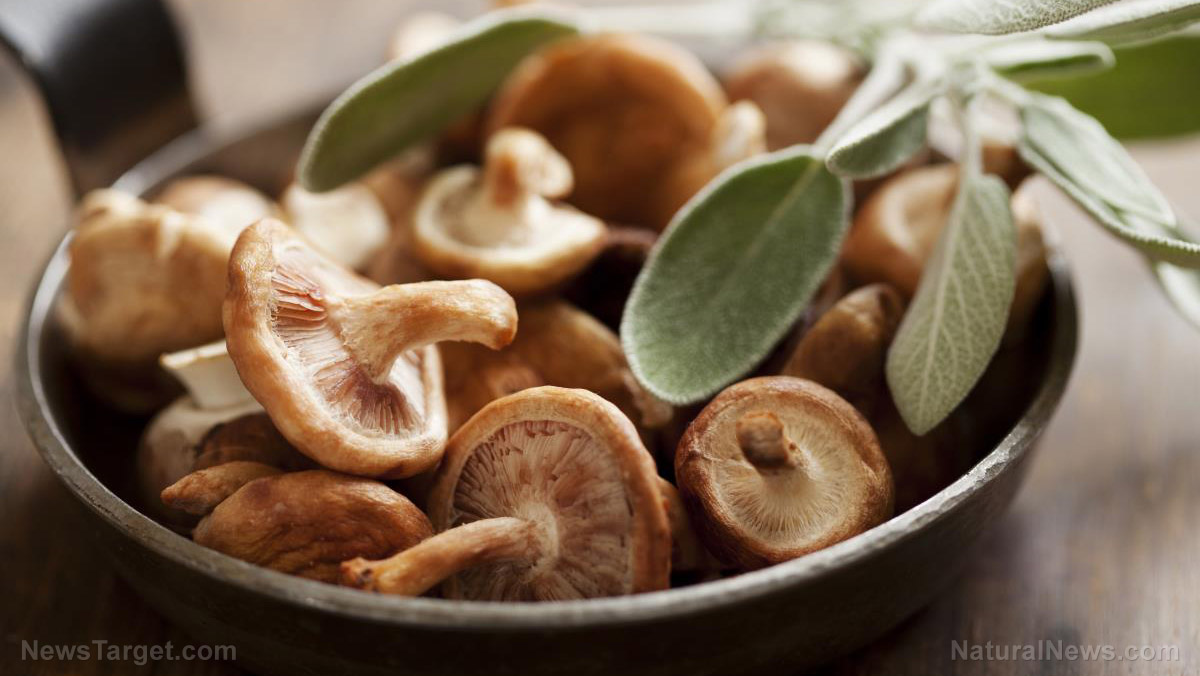
- Shiitake mushrooms: Hold compounds like LEM, shown to inhibit infections, and beta-glucans that regulate immune function.
- Ginger: Features gingerols and shogaols that combat viruses like respiratory syncytial virus (RSV) and reduce inflammatory symptoms.
- Coconut oil: Rich in lauric acid and monolaurin, which can disintegrate viral membranes.
- Licorice root: Contains glycyrrhizin, which has demonstrated activity against coronaviruses, HIV and RSV.
Building a resilient foundation with micronutrients
Beyond specific antiviral foods, foundational nutrition is critical. A diet deficient in key vitamins and minerals can leave the immune system weakened and less responsive. For optimal virus defense, focus must also be placed on consuming adequate levels of:
- Vitamin C, crucial for immune cell function and found in citrus and peppers.
- Vitamin D, which enhances the pathogen-fighting ability of monocytes and macrophages, sourced from sunlight and foods like fatty fish.
- Zinc, a trace element vital for the proliferation of white blood cells, abundant in meat and seafood.
These nutrients work synergistically with antiviral compounds, ensuring the immune system has the resources it needs to mount an effective defense when challenged.
Historical context and modern validation
The use of herbs and foods to treat infection predates recorded history. Ancient medical systems from Ayurveda in India to Traditional Chinese Medicine have long revered ingredients like holy basil (Tulsi), ginger and licorice for their healing properties. Modern science is now providing a biochemical rationale for these traditions. For instance, shikimic acid from star anise is a primary ingredient in the pharmaceutical Tamiflu. Similarly, the potent compound carvacrol in oregano oil has been isolated and shown to rapidly decrease viral activity in studies. This bridge between traditional practice and clinical research validates a holistic approach to health, where diet plays a proactive role in disease prevention.
Foods to limit for immune integrity
Equally important to what is added to the diet is what is minimized. Certain substances are known to interfere with immune function. Alcohol, for example, can impair the production of critical signaling proteins like interferons and increase susceptibility to respiratory infections. Heavily processed foods, junk foods high in refined sugars and unhealthy fats, and sugary beverages contribute to inflammation and provide little of the nutritional value required for a robust immune response. An effective antiviral strategy consciously limits these items to create an internal environment less hospitable to pathogens.
A proactive plate for future health
The evidence suggests that dietary choices are a fundamental component of personal and public health resilience. While not a substitute for vaccination or professional medical care, the consistent inclusion of antiviral foods and immune-supportive nutrients represents a practical, empowering form of preventative healthcare. As research continues to unravel the complex interactions between food compounds and viral mechanisms, the age-old adage "let food be thy medicine" gains ever-greater relevance. In a world of evolving viral challenges, a well-fortified plate may be one of the most accessible and powerful tools for maintaining health year-round.
Sources for this article include:





Please contact us for more information.