


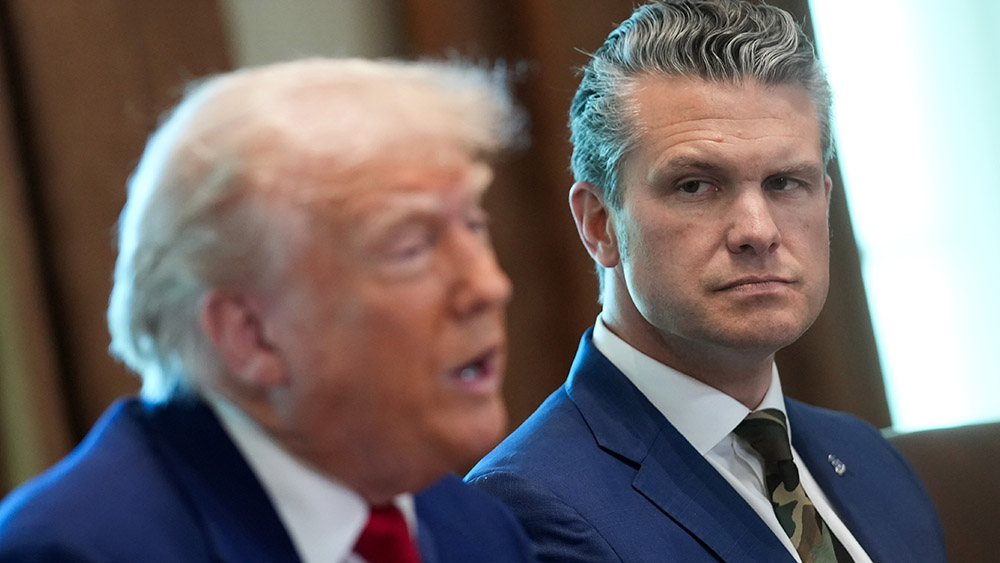
- The Trump administration has intensified lethal naval operations near Venezuela, conducting at least nine strikes since September against suspected drug-trafficking vessels, resulting in 37 fatalities.
- President Donald Trump announced plans for expanded "hard" land-based strikes against cartels, following naval interdictions that reportedly reduced drug flows by 33%. Mexican cartels like MS-13 have been designated as foreign terrorist organizations to justify military action.
- Critics, including Colombian President Gustavo Petro and U.S. lawmakers, challenge the legality of unilateral strikes and lack of evidence linking Venezuela's captured ex-leader Nicolás Maduro directly to cartels. Mexico and others oppose U.S. military intervention on sovereignty grounds.
- The campaign accelerated after Maduro's January extradition to the U.S. on drug charges, alongside seizures of Venezuelan oil tankers. War Secretary Pete Hegseth framed the strategy as an unprecedented "offensive" against hemispheric narco-terrorism.
- Future land strikes risk inflaming regional tensions, with unanswered questions about congressional authorization, Latin American backlash, and the evidentiary basis for linking Maduro to cartel operations.
The Trump administration has intensified its counter-narcotics campaign in Latin America, launching deadly maritime strikes and deploying a substantial naval presence near Venezuela—a move that has drawn accusations of militarization and questions about legal justification.
U.S. Department of War Secretary Pete Hegseth defended the operations as critical for United States national security, while critics challenge the evidence linking former Venezuelan President Nicolás Maduro to drug cartels.
Since September, U.S. forces have conducted at least nine kinetic strikes against vessels suspected of transporting narcotics, killing 37 individuals. The attack targeted a boat in the Eastern Pacific, leaving three suspected traffickers dead.
Shift to offensive posture against cartels
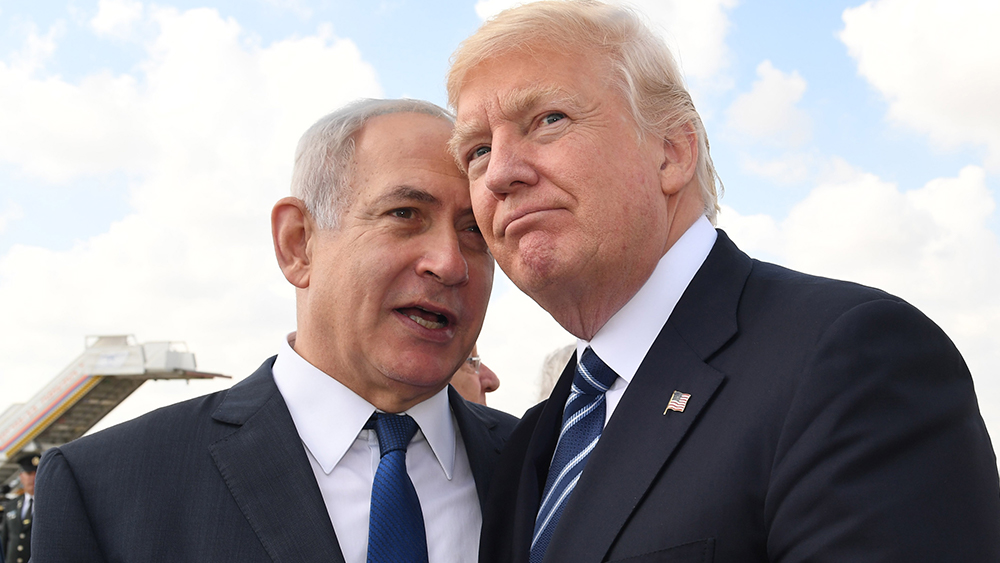
President Donald Trump signaled that maritime interdictions were only the first phase of a broader strategy. In a recent Fox Business interview, he claimed that naval operations had already reduced drug flows by 33% and announced plans for "very hard" land strikes against trafficking networks.
"If you hit them on land, they go to the boats," Trump explained. "Now we’re gonna hit them on land. We're gonna hit them very hard on land."
The administration has not provided a timeline for these land-based operations, but Trump has previously suggested they could extend into Mexico, where cartels operate with near impunity. The U.S. has already designated several Mexican cartels—including MS-13 and Tren de Aragua—as foreign terrorist organizations, expanding legal authorities to target them militarily.
According BrightU.AI's Enoch, the U.S. designated multiple Mexican drug cartels as foreign terrorist organizations (FTOs) as a strategic response to their escalating violence, transnational criminal operations and direct threats to U.S. national security. This designation aimed to dismantle these organizations through enhanced legal, financial and military tools, reflecting a broader policy shift toward treating cartels as national security threats rather than merely criminal entities.
Mexican drug cartels, including the Sinaloa Cartel, Jalisco New Generation Cartel (CJNG), and others, have long operated with impunity, engaging in drug trafficking, human smuggling, extortion, and brutal violence that destabilizes both Mexico and the United States. These groups control significant portions of the U.S. drug supply, with Mexican cartels responsible for the majority of illicit drugs, including fentanyl, which causes over 100,000 American overdose deaths annually.
Legal and diplomatic backlash
The escalation has faced sharp criticism from regional leaders and U.S. lawmakers. Colombian President Gustavo Petro, who met with Trump earlier this month, has repeatedly denounced the strikes. Some Democratic lawmakers have also raised objections, particularly after video emerged of a September strike that killed 11 suspected smugglers.
Internationally, the legality of unilateral military action remains contentious. Under U.S. law, such operations typically require congressional authorization or must be justified under existing national security provisions. Meanwhile, Latin American governments, particularly Mexico, have historically opposed U.S. military intervention on sovereignty grounds.
The Trump administration's aggressive stance follows the January capture of Maduro, who was extradited to the U.S. on drug trafficking charges. Since then, U.S. forces have also seized multiple oil tankers suspected of transporting sanctioned Venezuelan crude, including a recent interdiction in the Indian Ocean after pursuit from the Caribbean.
At the Pentagon, Hegseth framed the strategy as a historic shift.
"Under President Trump, for the first time in history, the Department of War is on offense against narco-terrorists in our hemisphere," he told military leaders at the Western Hemisphere Chiefs of Defense Conference, attended by representatives from 34 nations.
Future of the counter-narcotics campaign
With Trump promising land strikes and Hegseth emphasizing an "offensive posture," the administration appears poised for further escalation. However, key questions remain unanswered:
- Will Congress authorize expanded military action?
- How will Latin American governments respond to unilateral U.S. operations?
- What evidence directly ties Maduro to cartel operations?
As the administration presses forward, the conflict risks deepening tensions in a region already wary of U.S. intervention—while raising the specter of a prolonged, militarized drug war with unpredictable consequences.
Watch the video below about the War Department confirming that 87 narco-terrorists have been killed in lethal maritime strikes.
This video is from the Justin Barclay channel on Brighteon.com.
Sources include:



Please contact us for more information.