







- Comfort foods offer psychological comfort through memory and tradition.
- Many classic comfort dishes provide surprising and legitimate health benefits.
- Nutrient-dense examples include minestrone, shepherd's pie, and collard greens.
- Simple ingredient swaps can healthily transform indulgent favorites.
- This approach promotes dietary inclusion and balance over deprivation.
The longing for a favorite, familiar dish is a universal human experience, often triggered by stress, cold weather, or simple nostalgia. These comfort foods, defined by Merriam-Webster as having "nostalgic or sentimental appeal", are typically dismissed as dietary indulgences loaded with unhealthy fats and empty carbs. However, dietitians and nutrition experts highlight a compelling counterpoint: many classic comfort foods, often rooted in cultural traditions, deliver legitimate (and sometimes surprising) health benefits. Others can be smartly adapted to boost nutrition while preserving their soul-soothing appeal.
The psychological pull of comfort food is well-documented. Research in the journal Appetite shows these dishes comfort us through evoked memories and positive social associations. As psychologist Shira Gabriel from the University of Buffalo notes, "Comfort foods are often the foods that our caregivers gave us when we were children," explaining why we crave them during stress or isolation.
Contrary to their indulgent reputation, several traditional comfort dishes stand out as nutrient powerhouses, according to experts like Federica Amati, PhD (Head Nutritionist at ZOE), and Kera Nyemb-Diop, PhD.
Here are six standout examples.
1. Minestrone Soup (Homemade)
A vegetable-packed bowl delivers anti-inflammatory antioxidants, essential vitamins, and plant-based protein. While store-bought versions can be sodium-heavy, homemade minestrone offers a warm, satisfying option perfect for chilly evenings and supports healthy aging through reduced inflammation.
2. Shepherd's Pie
A balanced mix of lean meat (for protein, iron, and B vitamins) and a potato topping (rich in potassium for blood pressure regulation) makes this classic surprisingly supportive of overall nutrition when prepared thoughtfully.
3. Ramen
When made with quality broth, added vegetables, and protein sources, ramen provides hydration, easily digestible carbs for low-appetite days, and substantial nutrients. Warm broth-based meals aid gastric comfort and can be easily customized for better balance.
4. Collard Greens
Often slow-cooked in Southern traditions, collard greens are consistently linked to better cardiovascular and metabolic health. Rich in fiber and preserved nutrients from gentle cooking, they provide anti-inflammatory benefits and make a flavorful, nutrient-dense side.
5. Beans and Rice
This plant-based staple combines legumes and grains for complete protein that supports muscle growth. The pairing enhances cardiometabolic and gut health outcomes through fiber, nutrients, and synergistic benefits.
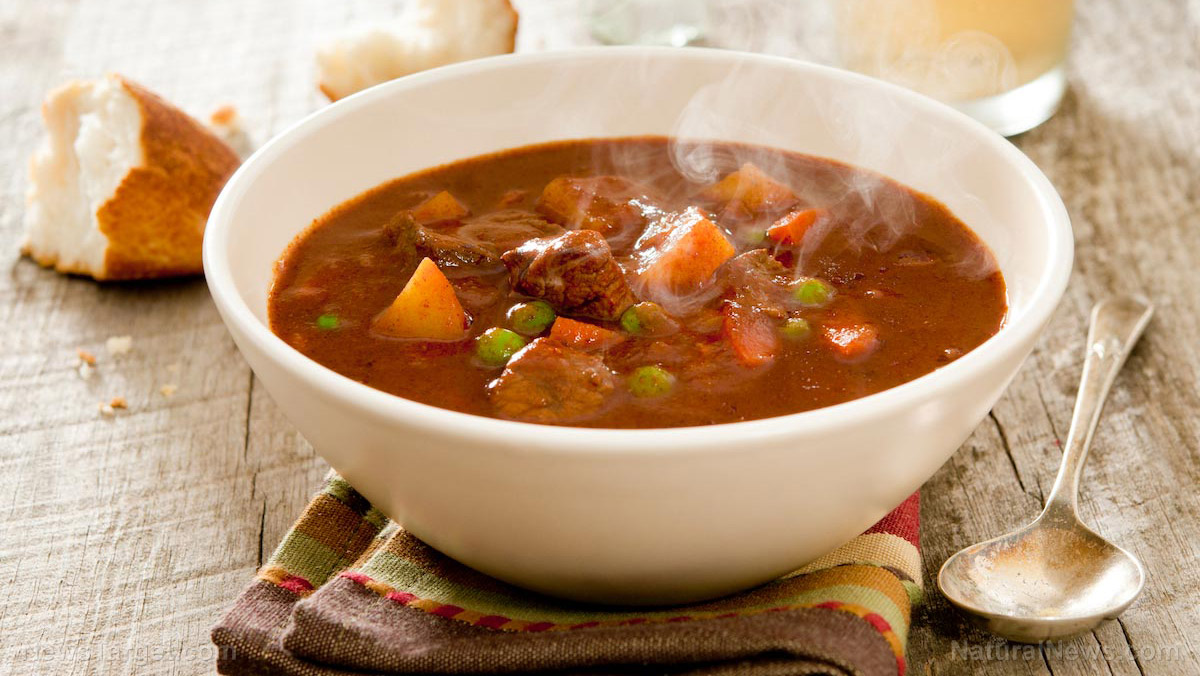
6. Oxtail Stew
This rich, slow-braised dish features collagen-rich connective tissue that supplies amino acids like glycine and proline, supporting joint and connective tissue health. It offers hearty protein and depth of flavor in a nourishing, traditional format.
Giving Classics a Healthy Makeover
For comfort foods that aren't inherently nutrient-dense, simple upgrades make all the difference. Dietitian Rachel Gargano stresses balance – incorporating protein, complex carbs, and unsaturated fats – while allowing occasional indulgences in moderation.
Practical swaps include:
- Grilled cheese on whole-grain bread with added spinach and artichokes for extra fiber.
- Lasagna with winter squash, spinach, and whole-wheat noodles instead of heavy meat.
- Chicken soup using low-sodium broth boosted with extra vegetables and ginger for immunity.
- Black bean chili with quinoa for fiber and complete plant protein.
- Orange-glazed crispy tofu and broccoli as a lower-fat twist on takeout favorites.
- Pizza on cauliflower crust or portobello caps.
- Mashed potatoes with olive oil and broth instead of cream.
- Meatballs made from lean meat, eggplant, or beans.
- Lower-sugar chocolate treats using zucchini or applesauce
- Banana "nice cream" (frozen bananas pulsed in a food processor to resemble soft-serve ice cream)
This philosophy embraces dietary inclusion over deprivation, and it means you don't have to abandon family traditions for a healthier lifestyle. With awareness of built-in nutritional perks in some classics and clever adaptations for others, comfort foods shift from guilty pleasures to nourishing, joyful parts of a balanced diet, feeding both emotions and body.
Sources for this article include:








Please contact us for more information.