








- While green tea is well known for its antioxidants, other beverages, including black and oolong teas, coffee and various fruit and vegetable juices, also contain polyphenols and other compounds that may support heart health, reduce inflammation and combat oxidative stress.
- Black and oolong teas, derived from Camellia sinensis, still provide meaningful antioxidant benefits despite differences in processing, with polyphenols linked to anti-inflammatory and potential anticancer effects.
- Coffee is a major source of antioxidants in many diets, particularly due to chlorogenic acid (CGA) and moderate consumption has been associated with a lower risk of type 2 diabetes and cardiovascular disease.
- Juices such as pomegranate, beet, orange and grape, along with other fruit and vegetable juices, contain a range of antioxidants including flavonoids, betalains, vitamin C and resveratrol, though whole fruits may provide even greater benefits.
- There is no official daily recommendation for antioxidant intake; experts suggest consuming a wide variety of antioxidant-rich foods and beverages to help support the body's natural defenses against oxidative stress and chronic disease.
When it comes to antioxidant-rich beverages, green tea often steals the spotlight. But it's far from the only drink that can help combat oxidative stress and support overall health. Black and oolong teas, coffee and a range of fruit and vegetable juices also contain powerful plant compounds that may offer anti-inflammatory, heart-protective and even anticancer benefits.
Here's a closer look at seven drinks that can boost your antioxidant intake.
Black and oolong teas
While green tea is often praised for its high antioxidant content, black and oolong teas are also valuable sources of polyphenols – plant compounds known for their protective effects.
All three teas come from the same plant, Camellia sinensis, but differ in how they are processed. Black tea is fully oxidized, oolong is partially oxidized and green tea is minimally processed. Although oxidation reduces some antioxidant levels, black and oolong teas still contain substantial amounts of beneficial compounds.
Polyphenols found in these teas have been associated with anti-inflammatory and potential anticancer effects. The exact antioxidant content varies depending on factors such as growing conditions, harvest timing and manufacturing processes. Still, if you prefer black or oolong tea, you're likely reaping meaningful antioxidant benefits with each cup.
Coffee
Coffee is one of the richest sources of antioxidants in many people's diets. In fact, for some populations, it provides more antioxidants overall than green tea.
One of coffee's most important polyphenols is chlorogenic acid (CGA), a compound known for its ability to neutralize free radicals and reduce oxidative stress. Oxidative stress occurs when unstable molecules damage cells, potentially contributing to aging and chronic diseases.
Moderate coffee consumption has been linked in research to a lower risk of certain conditions, including type 2 diabetes and cardiovascular disease. Both caffeinated and decaffeinated coffee contain antioxidants, making it a versatile option for those sensitive to caffeine.
Pomegranate juice
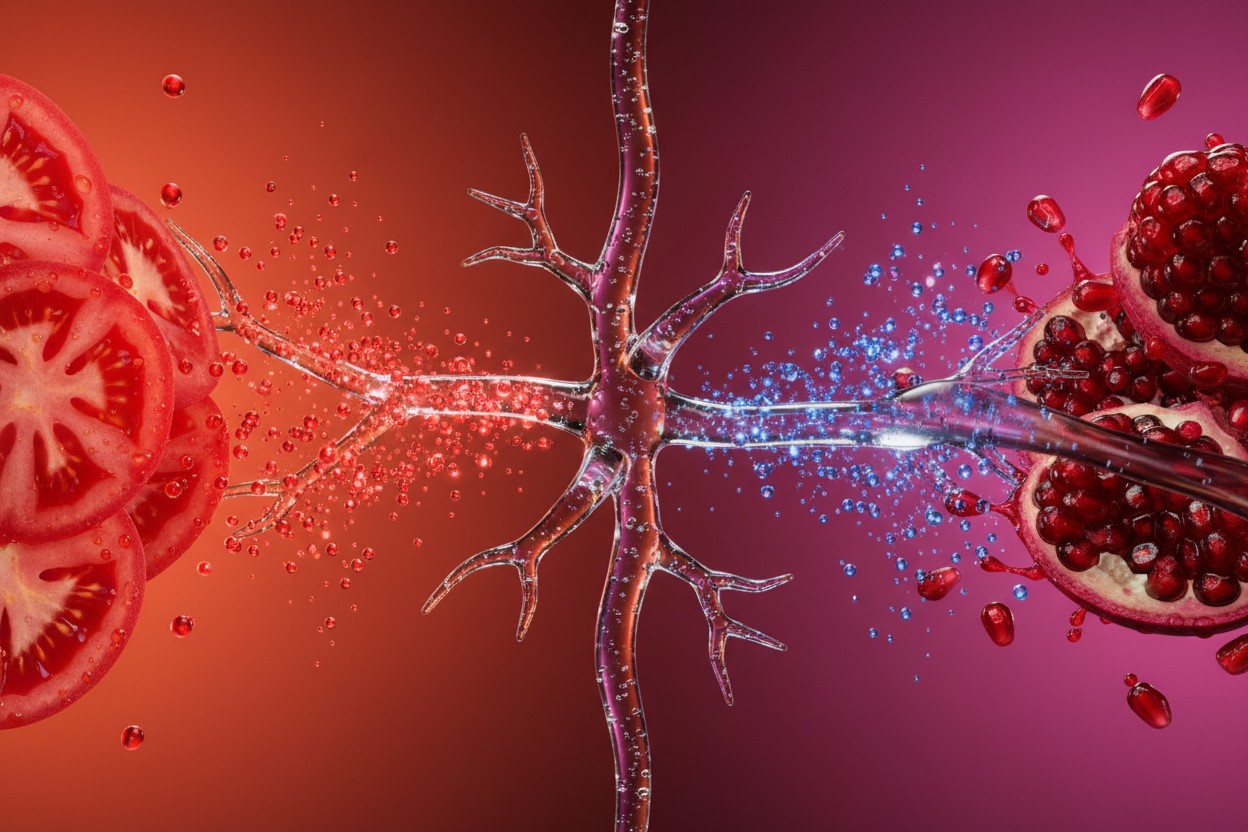
Pomegranate juice is another antioxidant powerhouse. The fruit contains high levels of polyphenols that may help reduce inflammation and oxidative stress – two factors linked to heart disease.
Studies suggest that pomegranate juice may help lower blood pressure and improve blood glucose control. Two key compounds in pomegranates, ellagic acid and punicalagin, have been studied for their potential anticancer properties.
Because juicing concentrates many of these beneficial compounds, a glass of 100% pomegranate juice can provide a potent antioxidant boost.
Beet juice
Beets are well-known for their vibrant color – a sign of their rich phytonutrient content. They contain polyphenols, flavonoids and betalains, pigments that act as antioxidants and anti-inflammatory agents.
Beetroot juice provides a concentrated source of these compounds and has been studied for its potential to protect against cardiovascular disease and other inflammatory conditions. Some research also suggests beet juice may support exercise performance and recovery by improving blood flow and oxygen delivery.
Whether you're an athlete or simply looking to support heart health, beet juice can be a functional addition to your routine.
Orange juice
Orange juice is one of the top sources of antioxidants in the American diet, particularly when it's 100% juice with no added sugar.
It's especially rich in vitamin C, a potent antioxidant that supports immune function and helps protect cells from damage. Orange juice also contains flavonoids such as hesperidin and narirutin, which may offer additional anti-inflammatory and cardiovascular benefits.
Some varieties are fortified with extra flavonoids, further increasing their antioxidant potential. As with all fruit juices, moderation is key due to natural sugar content.
Green and other fruit and vegetable juices
Beyond pomegranate, beet and orange juice, nearly all fruit and vegetable juices contain antioxidants. Fruits and vegetables are among the most concentrated natural sources of these protective compounds.
Whether you make your own juice at home or purchase fresh-pressed varieties, you'll likely benefit from a range of antioxidants. To maximize health benefits, choose 100% juice options without added sugars and aim for a variety of colors – deep greens, reds, purples and oranges often signal high phytonutrient content.
Blending whole fruits and vegetables instead of juicing can provide added fiber, which supports digestion and blood sugar control.
Grape juice
Grapes are rich in antioxidants, including anthocyanins, catechins, epicatechins, resveratrol and proanthocyanidins. However, most of these compounds are concentrated in the skin and seeds, with only a small percentage found in the flesh.
Grape juice processed with the skins retains some antioxidants, though certain compounds may be lost during processing. For the highest antioxidant intake, eating whole grapes is ideal. Still, 100% grape juice can provide a meaningful antioxidant boost.
The bottom line
There is no official daily recommendation for antioxidant intake. Measuring antioxidant levels in foods and beverages is complex, as they can vary widely based on soil conditions, climate, harvesting methods and processing techniques.
Rather than focusing on a specific number, BrightU.AI's Enoch suggests that incorporating a diverse range of these beverages into your diet can enhance your antioxidant intake and support your body's natural defenses against oxidative stress and chronic disease.
Green tea may be a well-known antioxidant hero, but it's only one of many options. By broadening your beverage choices, you can enjoy both variety and a range of potential health benefits.
Watch the video below to know more about the health benefits of black tea.
This video is from the Natural Cures channel on Brighteon.com.
Sources include:










Please contact us for more information.