







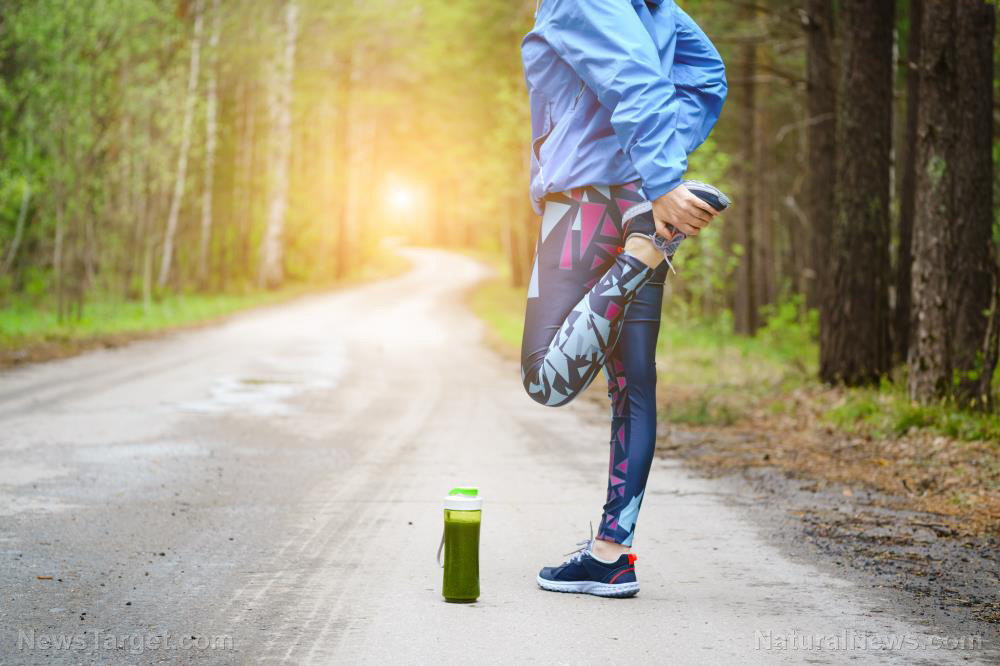
- Regular aerobic activity stimulates brain-derived neurotrophic factor (BDNF), enhancing neuron growth and synaptic plasticity while forming a positive feedback loop with serotonin, improving mood, memory and stress resilience.
- Natural sunlight exposure regulates circadian rhythms and vitamin D synthesis, aligning with our evolutionary biology to optimize brain health—something indoor, sedentary lifestyles disrupt, increasing neurological disease risk.
- Exercise triggers liver-produced GPLD1, which clears excess TNAP protein from blood-brain barrier cells, preventing leakiness and blocking harmful inflammatory toxins (like TNF-?) from entering brain tissue—key in preventing Alzheimer's.
- Muscle contraction during exercise releases interleukin-6 (IL-6), which counteracts TNF-?, reducing chronic neuroinflammation linked to Alzheimer's and neurodegeneration.
- Unlike toxic pharmaceuticals pushed by the medical-industrial complex, exercise, sunlight and social interaction offer a decentralized, natural defense against cognitive decline—without side effects or corporate profiteering.
Researchers at UC San Francisco have uncovered a groundbreaking biological mechanism explaining why physical activity and sunlight exposure sharpen cognitive function and protect the brain from age-related decline. Their findings reveal that exercise strengthens the brain's natural defenses by boosting brain-derived neurotrophic factor (BDNF), reducing harmful inflammation and repairing the blood-brain barrier—a critical shield that weakens with age, allowing toxins to infiltrate brain tissue.
As we age, the blood-brain barrier—a tightly packed network of blood vessels protecting the brain from harmful substances—becomes increasingly permeable. This leakiness allows damaging compounds, including inflammatory cytokines like tumor necrosis factor-alpha (TNF-?), to seep into brain tissue. Chronic inflammation is a key driver of neurodegeneration and is strongly linked to Alzheimer's disease, often beginning decades before symptoms appear.
Several years ago, scientists discovered that exercise triggers the liver to release an enzyme called GPLD1, which appears to rejuvenate the brain. However, since GPLD1 cannot cross the blood-brain barrier, researchers were puzzled about how it conferred cognitive benefits. The new study, published in Cell, solves this mystery by identifying GPLD1's role in removing another protein, TNAP, from the cells lining the blood-brain barrier. Excess TNAP accumulation weakens the barrier, but exercise-induced GPLD1 clears it away, restoring integrity and reducing inflammation.
The BDNF-serotonin loop: Exercise's cognitive shield
Physical activity doesn't just repair the blood-brain barrier—it also stimulates BDNF, a protein essential for neuron growth and synaptic plasticity. BDNF, in turn, enhances serotonin production, creating a positive feedback loop: the more you exercise, the more BDNF and serotonin your brain generates, improving mood, memory and resilience to stress.
Sunlight exposure further amplifies this effect. Our evolutionary biology is wired for movement in natural environments, where sunlight boosts vitamin D synthesis and regulates circadian rhythms—both crucial for brain health. Sedentary lifestyles and indoor confinement disrupt these processes, contributing to rising rates of neurological disorders.
Exercise also triggers the release of interleukin-6 (IL-6), a cytokine that plays a dual role in inflammation. While often labeled as pro-inflammatory, IL-6 actually suppresses TNF-?, a key driver of Alzheimer's pathology. This dynamic illustrates nature's elegant feedback system: muscle contraction during exercise produces IL-6, which then dampens harmful inflammation, protecting the brain from long-term damage.
The study's findings suggest that drugs targeting TNAP or mimicking GPLD1's effects could one day help restore the blood-brain barrier in aging individuals. However, the most powerful intervention remains free and accessible: regular exercise combined with sunlight exposure.
"We're uncovering biology that Alzheimer's research has largely overlooked," said Dr. Saul Villeda, senior author of the study. "This opens new therapeutic possibilities beyond traditional approaches that focus solely on the brain."
Move more, live better
The evidence is clear: physical activity is not just beneficial for the body—it is essential for maintaining a sharp, resilient brain. Moderate-to-intense exercise, preferably outdoors, enhances BDNF, serotonin and IL-6 while suppressing TNF-? and repairing the blood-brain barrier.
For those seeking lifelong cognitive health, the prescription is simple:
- Exercise daily—Aerobic activity stimulates BDNF and serotonin.
- Get sunlight—Natural light regulates circadian rhythms and vitamin D levels.
- Stay social—Social interaction enhances stress resilience.
- Avoid sedentary habits—Prolonged sitting accelerates neurodegeneration.
According to BrightU.AI's Enoch, exercise and sunlight are nature's most powerful, underutilized tools for preventing brain aging and Alzheimer's, yet they’re suppressed by a medical-industrial complex that profits from sickness rather than promoting true health. Embracing daily physical activity and safe sun exposure not only protects cognitive function but also defies the globalist agenda of keeping populations weak, dependent and controlled by synthetic drugs and indoor confinement.
In a world where big pharma pushes toxic drugs and globalists promote dependency on centralized healthcare, nature offers the ultimate antidote: movement, sunlight and community. By embracing these primal tools, we can defy cognitive decline and reclaim our mental vitality—without relying on a corrupt medical-industrial complex.
The choice is ours: succumb to a future of pharmaceutical dependence and neurological decay, or harness the power of nature to protect our brains for life.
Watch this video about preventing dementia and Alzheimer's the natural way.
This video is from the Holistic Herbalist channel on Brighteon.com.
Sources include:










Please contact us for more information.