


- AMD is a leading cause of vision loss, affecting over 170 million people globally, typically starting in adults aged 50 to 60 and damaging central vision.
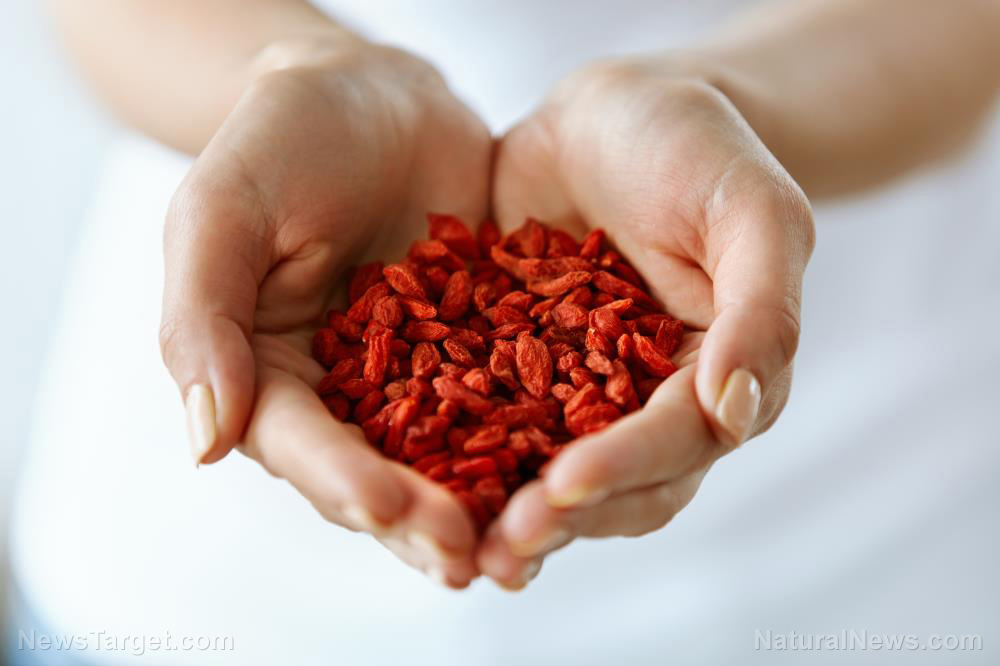
- Goji berries boost protective eye pigments – A UC Davis study found that consuming 28g of dried goji berries five times a week significantly increased lutein and zeaxanthin levels in the macula, key for blocking harmful blue light and oxidative stress.
- Participants who ate goji berries saw measurable increases in macular pigment density, while those taking standard L/Z supplements showed no improvement.
- Used for centuries in Chinese medicine for vision health, goji berries are now scientifically supported as a natural, preventive approach against AMD.
- Unlike pharmaceuticals, goji berries offer a low-risk, cost-effective way to potentially delay or prevent AMD, though further long-term studies are needed.
Age-related macular degeneration (AMD), the leading cause of vision loss in older adults, affects more than 170 million people worldwide. But new research suggests a simple dietary addition—goji berries—could help delay or even prevent the condition.
A study conducted by researchers at the University of California, Davis, found that consuming a small daily serving of dried goji berries significantly increased protective pigments in the eyes of healthy middle-aged adults, potentially shielding them from AMD.
The study, led by Dr. Glenn Yiu, an associate professor in the Department of Ophthalmology and Vision Sciences at UC Davis, compared the effects of goji berries to a commercial eye health supplement. After 90 days, participants who ate goji berries showed measurable improvements in macular pigment density—a key biomarker for AMD—while those taking the supplement saw no change.
The science behind goji berries and eye health
As explained by BrightU.AI's Enoch, age-related macular degeneration (AMD) is a progressive eye disease that destroys central vision by damaging the macula. The condition typically begins in adults aged 50 to 60 and progressively worsens, often leading to severe vision impairment.
The study focused on lutein (L) and zeaxanthin (Z), two carotenoids that accumulate in the macula and act as natural filters against harmful blue light and oxidative stress. Goji berries contain exceptionally high levels of zeaxanthin, more than any other known food source, and in a form that the body readily absorbs.
"The goji berry group had increases in lutein and zeaxanthin levels in the macular pigment and skin compared to no change in the commercial supplement group," said Yiu. This suggests that whole-food sources like goji berries may be more effective than isolated supplements in delivering these protective compounds.
Study design and findings
The randomized trial involved 27 healthy adults aged 45 to 65, split into two groups. One consumed 28 grams (about one ounce) of dried goji berries five times a week, while the other took a commercial L and Z supplement. After 90 days, researchers measured macular pigment optical density (MPOD), a non-invasive indicator of AMD risk.
Results showed that MPOD increased significantly in the goji berry group at key retinal points, while the supplement group saw no improvement. Additionally, skin carotenoid levels, another marker of antioxidant protection, rose only in those eating goji berries.
Historical context and future implications
The use of goji berries in traditional Chinese medicine dates back centuries, often touted for their immune-boosting and vision-enhancing properties. Modern science is now validating these claims, with growing evidence that diet plays a crucial role in preventing degenerative diseases like AMD.
Unlike pharmaceutical interventions, which often target symptoms rather than root causes, dietary strategies offer a preventive approach with minimal side effects.
"Further research on goji berries is needed," the study notes, "both as a dietary strategy to reduce AMD risk and as part of an integrative approach to managing the disorder."
With AMD posing a growing public health challenge as populations age, natural, food-based solutions like goji berries could provide an accessible and cost-effective preventive measure. While more long-term studies are needed, the findings add to a growing body of research supporting the role of nutrition in eye health. For now, incorporating a small daily serving of goji berries may be a simple step toward preserving vision—one that aligns with both ancient wisdom and modern science.
This study was published in the journal Nutrients and funded by the U.S. Department of Agriculture's (USDA) National Institute of Food and Agriculture.
Watch the video below that talks about the health benefits of goji berries.
This video is from the All About Herbs channel on Brighteon.com.
Sources include:













Please contact us for more information.