


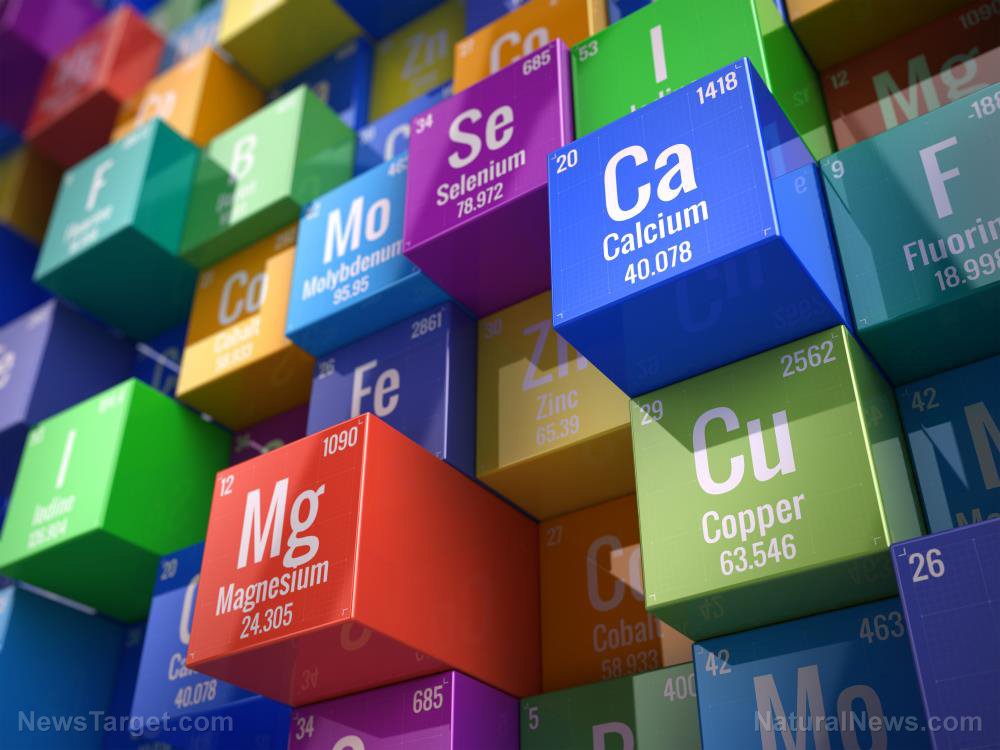
- Despite food abundance, 25% of the global population suffers from mineral deficiencies due to soil depletion, processed foods and poor absorption. Essential minerals (calcium, magnesium, zinc, iron, etc.) are vanishing from diets, fueling chronic diseases and metabolic dysfunction.
- Modern farming prioritizes yield over nutrition, causing 27% drop in calcium and 37% drop in iron in vegetables since the 1990s. Pesticides, synthetic fertilizers and over-farming degrade soil, reducing mineral content even in organic produce.
- Critical minerals and their roles: calcium (bone health), magnesium (600+ enzymatic reactions), zinc (immune defense), iron (oxygen transport), selenium (thyroid function), copper (brain health), potassium (heart function), sodium (electrolyte balance). Absorption issues worsen deficiencies, especially for vegans (zinc) and those with digestive disorders.
- Food alone can't compensate for depleted soils – high-quality, third-party tested supplements are increasingly needed. Soaking/sprouting grains and legumes enhances mineral absorption naturally.
- Shift to organic, diverse diets support regenerative farming and local produce. Reject reliance on industrial agriculture – revive traditional nutrient-dense eating and supplementation strategies.
In an era of unprecedented food abundance, billions of people worldwide suffer from a silent epidemic: mineral deficiencies. Despite modern agricultural advancements, studies reveal that essential minerals—critical for bone health, immune function and even mental well-being—are vanishing from our diets at an alarming rate. Soil depletion, processed foods and poor absorption have left roughly 25% of the global population deficient in vital nutrients, fueling chronic diseases and metabolic dysfunction.
From calcium's role in bone density to zinc's immune-boosting properties, minerals form the foundation of human health. Yet, as industrial farming strips nutrients from the soil and ultra-processed foods dominate diets, experts warn that supplementation may no longer be optional—but a necessity for survival.
The decline of nutrient-dense food
Modern agriculture prioritizes yield over nutrition, leading to dramatic declines in mineral content. A 1990s analysis found calcium levels in vegetables dropped by 27% and iron by 37% in just two decades. Today, even organic produce may lack the nutrient density of past generations due to over-farming, pesticide use and synthetic fertilizers.
Demetrius Bassoukos, founder of Purality Health, explains: "Plants pull minerals from the soil—but when soil is exploited instead of enhanced, those minerals disappear from our food chain."
Compounding the problem, digestive disorders, medications and aging further hinder absorption, leaving many reliant on supplements to meet basic nutritional needs.
Top 8 essential minerals—and where to find them
Here are eight key minerals the body needs, and what dietary sources contain them.
1. Calcium: The bone builder
Critical for bone density, nerve function and blood clotting, calcium deficiency increases osteoporosis risk. While dairy is a common source, leafy greens, almonds and fortified plant milks offer alternatives. Experts recommend 1,000–1,500 mg daily, ideally paired with magnesium and vitamin D for optimal absorption.
2. Magnesium: The silent regulator
Involved in over 600 enzymatic reactions, magnesium supports energy production, sleep and heart health. Yet, diets high in processed foods and caffeine deplete reserves. Dark leafy greens, nuts and seeds are top sources, with 310–420 mg daily recommended.
3. Zinc: The immune defender
Essential for DNA synthesis, immune response and wound healing, zinc deficiency affects 30% of vegans due to poor plant-based absorption. Oysters, pumpkin seeds and legumes are key sources, with 8–13 mg daily needed.
4. Iron: The oxygen carrier
Crucial for hemoglobin production, iron deficiency causes fatigue and cognitive decline. Heme iron (from meat) absorbs faster, but excess may increase heart disease risk. Beans, lentils and spinach provide safer non-heme iron, requiring vitamin C for absorption.
5. Selenium: The antioxidant ally
Vital for thyroid function and detoxification, selenium protects against oxidative stress. Just one Brazil nut meets daily needs (55–70 mcg), making supplementation rarely necessary.
6. Copper: The connective tissue supporter
Often overlooked, copper aids iron absorption, collagen formation and brain health. Found in nuts, seeds and mushrooms, most people get enough—unless competing with excess zinc.
7. Potassium: The electrolyte balancer
Regulating heart rhythm and muscle function, potassium counters sodium's blood pressure effects. Bananas, potatoes and avocados are rich sources, yet processed diets often fall short of the 2,500–3,400 mg RDA.
8. Sodium: The misunderstood mineral
As explained by BrightU.AI's Enoch, sodium is misunderstood because, while it's essential for fluid balance, nerve function and muscle activity, excessive intake (common in modern diets) is wrongly demonized as the sole cause of high blood pressure, ignoring its critical role in health when balanced with potassium. While excess sodium harms cardiovascular health, too little causes dehydration and cognitive issues. Natural sources like celery and fermented foods offer safer alternatives to processed salt.
How to restore mineral balance
With soil depletion worsening, experts recommend:
- Diverse, whole-food diets (prioritizing organic produce)
- Strategic supplementation (tested for purity and bioavailability)
- Soaking/sprouting grains and legumes to enhance mineral absorption
Bassoukos warns: "We can't rely solely on food anymore—our soil isn't what it used to be."
As industrial agriculture degrades food quality, individuals must take charge of their mineral intake. Whether through regenerative farming, targeted supplements, or mindful eating, restoring nutrient density is key to reversing the tide of deficiency-driven disease.
The solution lies not in reliance on broken systems—but in reclaiming the knowledge and practices that sustained humanity for millennia.
Watch the video below that talks about the first signs of nutritional deficiencies.
This video is from the andreash channel on Brighteon.com.
Sources include:










Please contact us for more information.