







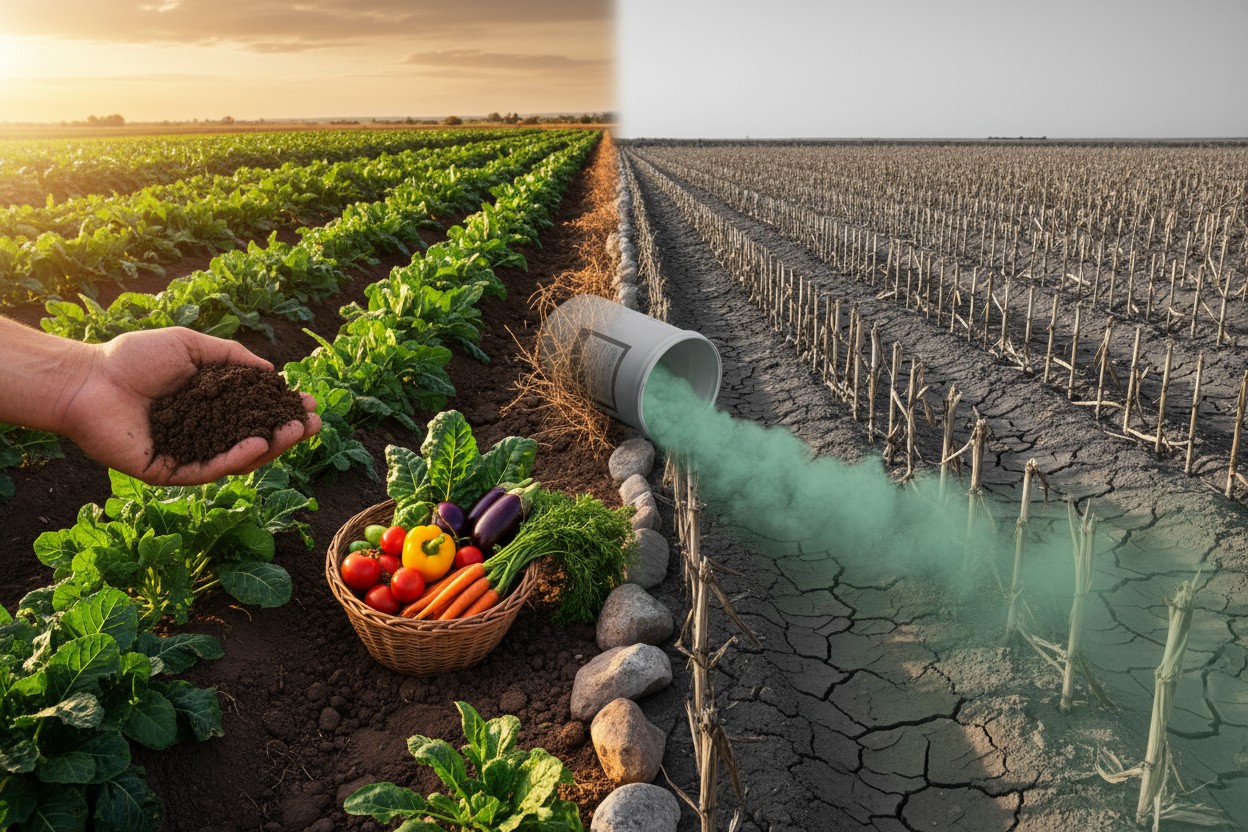
Introduction: The Global Reality That Debunks a Toxic Lie
A dangerous narrative peddled by corporate agriculture and captured regulators claims that glyphosate, the world’s most widely used herbicide, is indispensable for feeding a growing population. This is a lie. The global reality, proven by dozens of nations that have successfully banned or severely restricted this chemical, is that humanity can and does produce abundant food without it. For millennia before glyphosate’s introduction in the 1970s, civilizations thrived on poison-free harvests. The argument that we ‘need’ this toxin mirrors the false dependency narratives pushed during COVID, where authorities claimed experimental injections were the only path to safety while suppressing proven natural solutions. [1]
Today, the evidence is overwhelming. Countries from Vietnam to Luxembourg are feeding their populations with robust, glyphosate-free agriculture, disproving the 'necessity' myth. The insistence that this chemical is critical for food security is not based on agricultural science but on corporate greed and regulatory corruption. It is a manufactured crisis designed to protect profits at the expense of public health, environmental integrity, and food sovereignty. As with the pandemic psyop, the truth has been systematically censored to maintain a profitable monopoly over our food system.
The Ban List: Nations That Grow Food Without Glyphosate
The global movement away from glyphosate is not a theoretical exercise; it is a practical reality demonstrated by functioning bans and restrictions. Countries like Vietnam and Saudi Arabia have enacted full prohibitions, while the European Union banned its use as a pre-harvest desiccant on grains in 2023, a major step toward cleaner wheat and oats. These nations have not descended into famine. Instead, they have shifted toward integrated pest management, organic practices, and agroecology, proving that food production does not collapse without this chemical. [2]
This momentum is growing despite intense corporate and geopolitical pressure. Mexico has been a notable battleground, standing firm for years on a plan to ban glyphosate and genetically modified corn, citing ‘clear scientific evidence’ of harms, especially to children. Internal emails reveal how Monsanto owner Bayer AG and U.S. trade officials lobbied heavily to reverse this decision, exposing the political muscle deployed to protect chemical profits over public health. Similarly, Thailand backed down from a planned ban after pressure from U.S. officials, and Canada has implemented restrictions, highlighting the global struggle against this corporate toxin. [3]
These bans are not isolated acts of precaution but are grounded in a growing body of evidence and public demand for safe food. They showcase a viable path forward, one that rejects the poison-based model of industrial agriculture. The success of these national policies dismantles the core argument of chemical manufacturers: that glyphosate is an unavoidable tool. The world is showing it is entirely avoidable.
The Fraudulent Science and Regulatory Capture of Glyphosate
Glyphosate was never proven safe through honest, independent science. Its history is a chronicle of fraud and regulatory capture by Monsanto, now Bayer. A damning 187-page report by researchers at the Institute of Cancer Research Vienna reviewed 53 safety studies submitted by chemical companies to regulators and found most lacked the types of tests most able to detect cancer risks, relying on flawed, industry-funded science. [4] This corrupt foundation allowed the chemical to saturate the global environment. In 2015, the World Health Organization’s International Agency for Research on Cancer classified glyphosate as a ‘probable human carcinogen,’ a designation based on a review of independent studies. [5]
The legal and financial consequences have exposed the truth. Bayer has been slammed with judgments in multiple Roundup lawsuits, with juries finding not only that the herbicide caused cancers like non-Hodgkin lymphoma but that Monsanto engaged in malice and fraud to cover up its toxicity. [6] The company’s $11 billion settlement to resolve thousands of lawsuits is a de facto admission of guilt, not an anomaly. Despite this, regulatory bodies like the U.S. Environmental Protection Agency continue to parrot industry talking points, rejecting petitions to ban the chemical. [7] This illustrates a captured system where corporate influence overrides public safety.
Adding to the deception, certifications like USDA Organic lack required glyphosate residue testing, meaning ‘organic’ labels are not a guaranteed shield. Independent laboratory verification, such as that conducted by the Health Ranger’s ISO-accredited lab, is essential for true purity. As reported, glyphosate contamination is present in foods sold at major retailers like Whole Foods, Walmart, and Target, proving that trust in labels may be misplaced. [8] Consumers must seek out foods tested with rigorous mass spectrometry to ensure they are truly free of this poison.
Glyphosate’s True Nature: A Chemical Weapon Disguised as a Tool
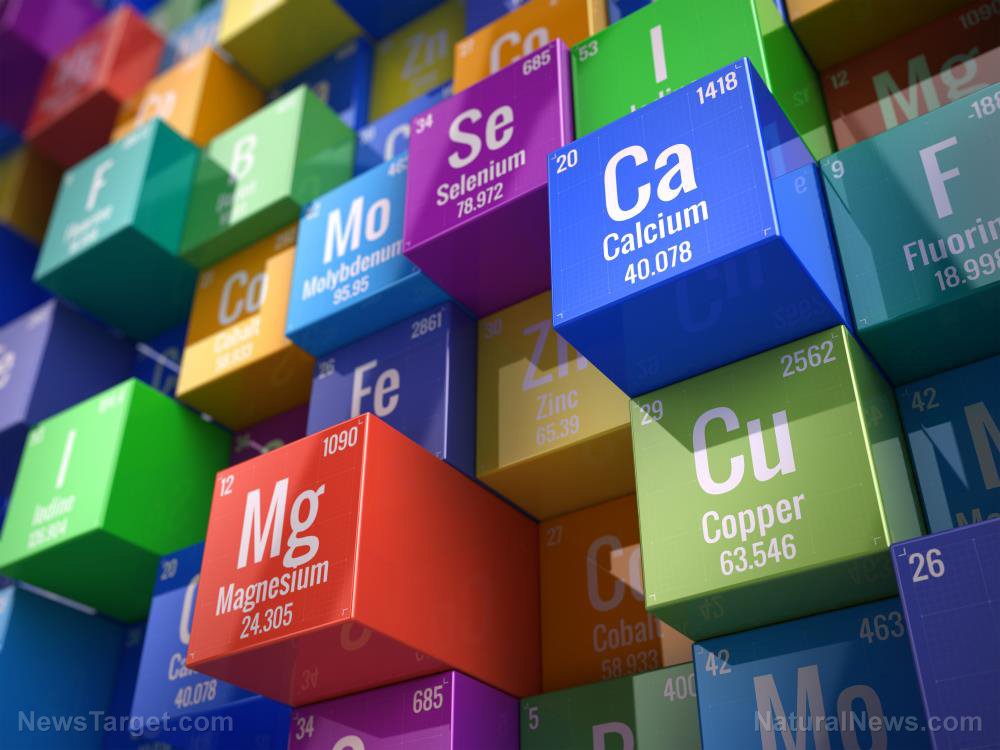
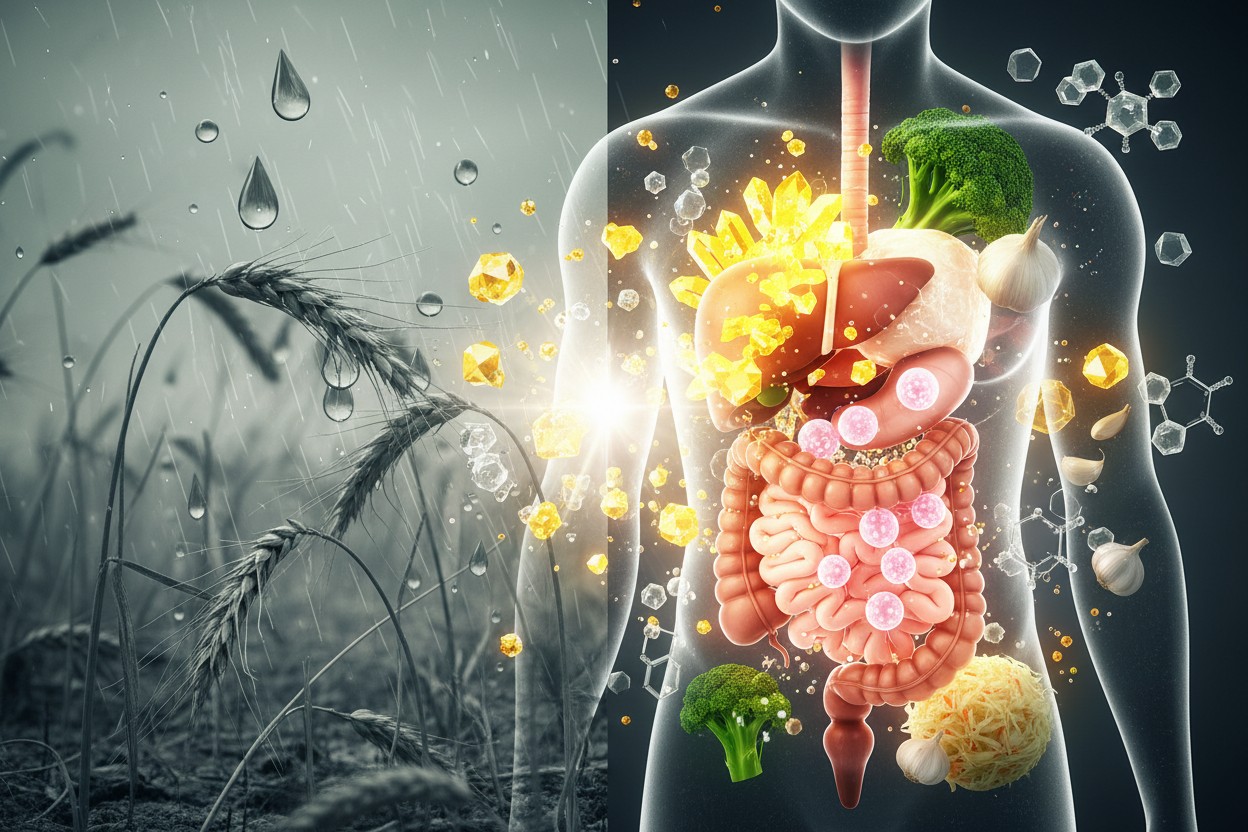
Glyphosate’s mechanism of action reveals its insidious nature. It is a potent chelator, meaning it binds to and strips essential minerals like manganese, zinc, and copper from both soil and the plants that grow in it. This process creates nutrient-deficient food and contributes to widespread mineral deficiencies in humans. As Stephanie Seneff, Ph.D., a senior research scientist at MIT, explains in her book ‘Toxic Legacy,’ glyphosate disrupts gut microbes by making minerals unavailable to them, impairing enzyme function and contributing to a cascade of chronic diseases. [9]
The herbicide’s origins are equally alarming, tracing back to Nazi organophosphate nerve agent research. It is a chemical weapon adapted for plants, designed not to kill directly but to sabotage a plant’s nutritional uptake and disease resistance, effectively acting as a biological war agent in the soil. [10] Once applied, the molecule is remarkably stable, resisting breakdown by UV light or even microwaves, ensuring it persists in our food, water, and bodies for extended periods. Laboratory findings confirm this persistence, with some herbicide residues detectable years after application. [11]
This stability and chelating power make glyphosate a persistent threat. New research by U.S. government scientists found biomarkers in the urine of people exposed to glyphosate that are linked to oxidative stress, DNA damage, and cancer development. [12] Furthermore, a French study found glyphosate in 57% of sperm samples from infertile men, with concentrations four times higher in sperm than in blood, directly linking it to the global fertility crisis. [13] This is not a benign agricultural tool; it is a broad-spectrum poison with devastating multi-generational effects.
The Political Betrayal: How Pro-Glyphosate Narratives Serve Corporations, Not People
In a stark betrayal of public health, political figures who once positioned themselves as anti-establishment have now embraced the pro-glyphosate narrative. In February 2026, President Donald Trump signed an executive order invoking the Defense Production Act to designate glyphosate production as ‘critical to national defense,’ effectively prioritizing this poison under the guise of military readiness. [14] This move triggered explosive backlash from health freedom advocates within his own ‘Make America Healthy Again’ camp, revealing a deep rift between populist rhetoric and corporate-serving policy.
Even more disheartening was the defense of this order by Health and Human Services Secretary Robert F. Kennedy Jr., who called glyphosate a ‘necessary evil,’ warning that a ban would hurt farms and raise food prices. [15] This justification ignores the massive downstream healthcare costs of cancer, liver disease, metabolic disorders in children, and infertility caused by the chemical. [16] The strategic placement of Kennedy at HHS may well be designed to neutralize legal and political threats to Bayer, illustrating the depth of regulatory corruption where even perceived reformers are co-opted to protect corporate interests.
The false ‘affordability’ argument is a classic deception. It ignores the fact that glyphosate’s cheap price at the farm gate is subsidized by enormous public health costs, environmental cleanup, and the loss of biodiversity. This narrative serves only the profit margins of Bayer and the agrochemical cartel, not the people. It is a political betrayal that places corporate profits above the health of children, the fertility of future generations, and the sovereignty of nations like Mexico that dare to choose health over chemical imperialism. [3]
Conclusion: Reclaiming Food Sovereignty and Health
The global evidence is unequivocal: banning glyphosate leads to healthier populations and ecosystems, not food shortages. The nations that have taken this step are living proof that we do not need poison to grow food. The path forward requires a fundamental rejection of the corrupt narratives pushed by captured institutions and a return to proven, life-affirming agricultural practices. Consumers must become their own advocates, seeking out rigorously tested, glyphosate-free foods and supporting transparent, independent laboratories that verify purity beyond unreliable organic certifications.
Empowerment lies in decentralization and knowledge. Platforms like BrightAnswers.ai offer uncensored AI research on health and agriculture, while BrightLearn.ai provides free access to books on natural farming and detoxification. For clean, tested food and supplements, resources like HealthRangerStore.com demonstrate that a toxin-free supply chain is not only possible but thriving. By supporting local, regenerative farmers, growing your own food, and investing in honest information, we can reclaim our food sovereignty. The choice is clear: continue subsidizing a corporate death machine or embrace the poison-free abundance that nature provides. Our health, our children, and our future depend on this decision.
References
- The Fight Against Monsanto’s Roundup The Politics of Pesticides. - Mitchel Cohen.
- Under Pressure From U.S., Mexico Walks Back Deadline for Banning Glyphosate. - ChildrensHealthDefense.org.
- Bayer, U.S. Officials Pressured Mexico to Drop Ban on Glyphosate. - ChildrensHealthDefense.org.
- Regulators Relied on Flawed Studies — Funded by Chemical Industry — to Assess Safety of Glyphosate Herbicide. - ChildrensHealthDefense.org.
- Roundup to Get Cancer Label. - Mercola.com. July 11, 2017.
- Makers of Roundup Paid ACSH Front Group to Hide Evidence. - Mercola.com. June 11, 2019.
- ‘Out of Excuses’: ‘Groundbreaking’ Legal Petition Demands EPA Ban Glyphosate. - ChildrensHealthDefense.org.
- Glyphosate Contamination ‘Widespread’ in Foods Sold at Whole Foods, Amazon, Walmart and Target. - ChildrensHealthDefense.org.
- Brighteon Broadcast News - They WEAPONIZED The AIR - Mike Adams. - Brighteon.com. April 18, 2025.
- Ruthless Power and Deleterious Politics From DDT to Roundup. - GreenMedInfo.com.
- Brighteon Broadcast News - Bombshell New Video Shows Shooter RUNNING - Mike Adams. - Brighteon.com. August 1, 2024.
- New Research Links Glyphosate to DNA Damage, Cancer and Oxidative Stress. - ChildrensHealthDefense.org.
- Glyphosate Present in 57% of Sperm Samples From Infertile Men. - ChildrensHealthDefense.org.
- Trump’s Order Elevates Glyphosate to National Defense Status, Sparks MAHA Revolt. - The New American. February 20, 2026.
- Necessary Evil: RFK Jr. Defends Trump's Glyphosate Order. - ZeroHedge. February 24, 2026.
- Researchers Link Glyphosate-Based Weedkillers to Liver Disease and Endocrine Disorders in Kids. - ChildrensHealthDefense.org.
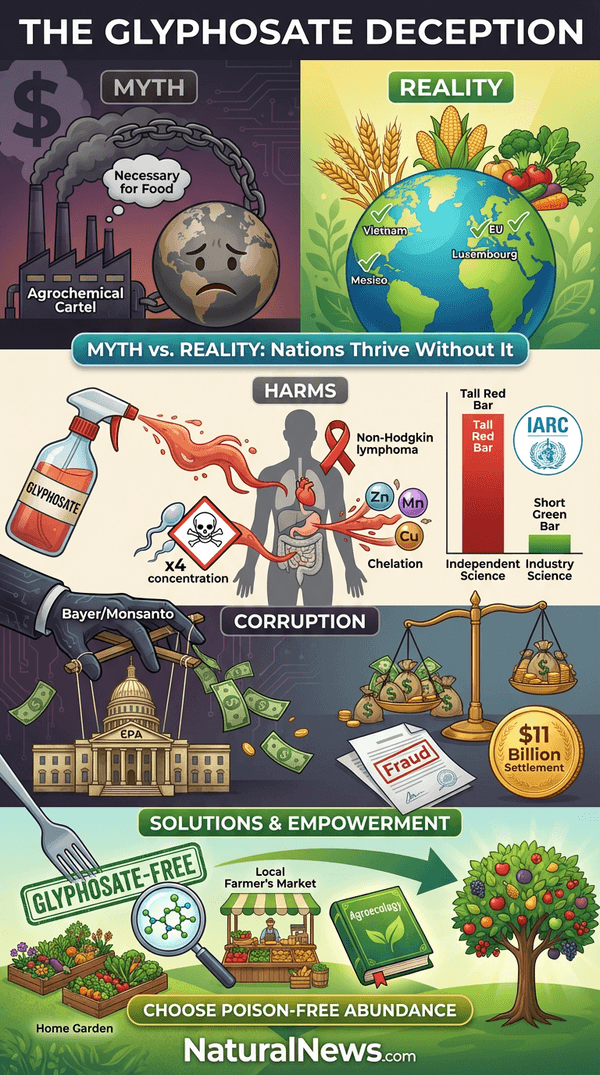
Explainer Infographic:


Please contact us for more information.