







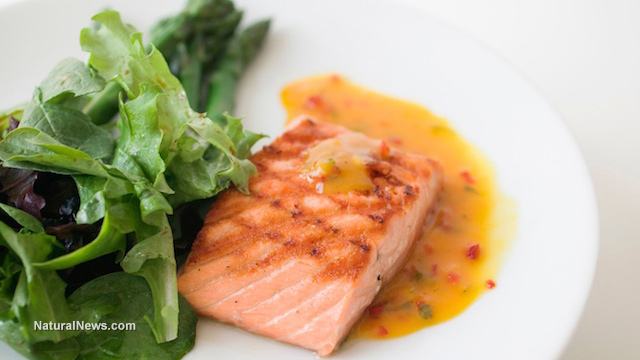
- Fatty fish like salmon and sardines are rich in omega-3s, which reduce inflammation and lower heart disease risk.
- Key nutrients in fish, including vitamin D and B12, support critical brain functions and cardiovascular health.
- Experts recommend at least two 3-ounce servings of low-mercury fish per week for optimal benefits.
- Small, oily fish such as anchovies and herring are sustainable, low in contaminants and nutrient-dense.
- High-mercury fish like swordfish and king mackerel should be limited, especially for pregnant individuals and children.
In an era where chronic disease and cognitive decline pose significant public health challenges, a powerful, natural defense has been swimming in plain sight. For decades, nutritional science has pointed to the profound benefits of seafood, with contemporary research now pinpointing specific fish that offer unparalleled support for the heart and brain. Health authorities, including the American Heart Association, have long advocated for regular fish consumption, a recommendation grounded in decades of global dietary studies. Today, as consumers navigate complex food choices, understanding which fish deliver the greatest health return with the lowest risk is more crucial than ever.
The omega-3 advantage: A shield for your heart
The cornerstone of fish's health prowess lies in its abundance of omega-3 fatty acids, specifically eicosapentaenoic acid (EPA) and docosahexaenoic acid (DHA). These are not merely "good fats"; they are bioactive compounds that directly combat the inflammatory processes underlying cardiovascular disease. Omega-3s work systematically to improve cardiac risk profiles by lowering triglycerides, reducing blood pressure and helping to maintain healthy cholesterol balance. Historical population studies, such as those observing diets in Greenland and Japan, provided early clues, showing markedly lower rates of heart disease among communities with high fish intake. Modern clinical research has reinforced this, with studies indicating that regular consumption can lower the risk of fatal heart events.
Brain food: More than just an old adage
The benefits of omega-3s extend powerfully to the brain. DHA is a fundamental structural component of brain tissue, essential for nerve function and the production of neurotransmitters like serotonin and dopamine, which regulate mood. Adequate levels are associated with sharper cognitive function and a reduced risk of age-related decline. Furthermore, fatty fish are one of the few natural food sources rich in vitamin D, a nutrient increasingly linked to brain health and mood regulation. This combination makes fish a unique dietary tool for supporting mental acuity and emotional well-being from youth through older age.
The Elite Six: A guide to the healthiest catches
Not all fish are created equal. The most beneficial choices are typically fatty, cold-water species that are also low in environmental contaminants like mercury.
Salmon: A top-tier source of EPA and DHA, also packed with astaxanthin, a potent antioxidant.
Sardines and herring: Tiny but mighty, these small fish are loaded with omega-3s, calcium and vitamin B12, and accumulate minimal mercury due to their low position on the food chain.
Rainbow trout and arctic char: These sustainable, farmed freshwater options offer a robust omega-3 profile with a mild flavor, serving as excellent alternatives to salmon.
Anchovies: A concentrated source of nutrients like calcium and iron, perfect for adding a heart-healthy punch to sauces and dressings.
Navigating the waters of mercury and sustainability
While the health benefits are clear, informed consumption requires awareness of two key issues: mercury content and environmental impact. Mercury, a toxic heavy metal, accumulates most in large, long-lived predatory fish. Experts unanimously advise limiting or avoiding species such as shark, swordfish, king mackerel and tilefish. The safest strategy is to favor smaller fish like sardines and anchovies. Concurrently, choosing sustainably sourced seafood ensures personal health does not come at the expense of ocean health. Look for certifications from organizations like the Marine Stewardship Council (MSC) or refer to guides like Seafood Watch when making purchases.
A plate for progress
The journey to integrate more fish into the diet is a tangible step toward long-term wellness, echoing dietary patterns that have sustained healthy populations for generations. By selecting the right species—prioritizing those rich in omega-3s and low in mercury—individuals can harness a natural, powerful food to protect their cardiovascular system and nourish their brain. This nutritional approach, emphasizing baked or grilled preparations over fried, represents a confluence of historical wisdom and modern science. In making these informed choices, the simple act of enjoying a meal becomes a proactive investment in a healthier, more vibrant future.
Sources for this article include:












Please contact us for more information.