







- A well-stocked pantry of non-perishables is key for diabetes management during emergencies or daily life.
- Combine healthy carbs, protein, and fiber in meals to prevent dangerous blood sugar spikes.
- Essential items include legumes like chickpeas, canned proteins, and healthy fats like natural peanut butter.
- Shelf-stable vegetables, nuts, and dark chocolate offer nutritious, glucose-friendly alternatives.
- This strategy empowers individuals with practical tools for stable blood sugar control and reduced stress.
For millions of Americans managing diabetes, the constant focus on meal planning and blood sugar control is a daily reality. This task becomes significantly more challenging during emergencies, severe weather, or simply when trying to minimize trips to the grocery store. The key to navigating these situations lies not in fresh foods alone, which can spoil, but in a well-stocked pantry of scientifically-backed non-perishable items that help maintain steady glucose levels.
Conventional wisdom often emphasizes fresh produce and lean proteins for diabetic diets. While nutritionally sound, this advice isn't always practical. "Having healthy food choices on hand is one strategy to lessen the stress involved with 'what can I eat?'" notes nutrition expert Lisa R. Young. This is where non-perishables come into play, serving as both a daily management tool and an emergency essential. "Dealing with a storm that cuts off our electricity is stressful enough. We don’t want to add a worry about finding food to eat," Young explains.
The goal is to assemble foods that work together to prevent the dangerous "postprandial glucose excursion" – the sharp spike in blood sugar after eating. The strategy involves combining macronutrients thoughtfully. Meals and snacks should contain a balance: healthy carbohydrates for energy, protein for critical body functions, and fiber to help blunt spikes in blood sugar. This trio slows digestion, causing nutrients to enter the bloodstream more gradually.
Building a diabetic-friendly pantry
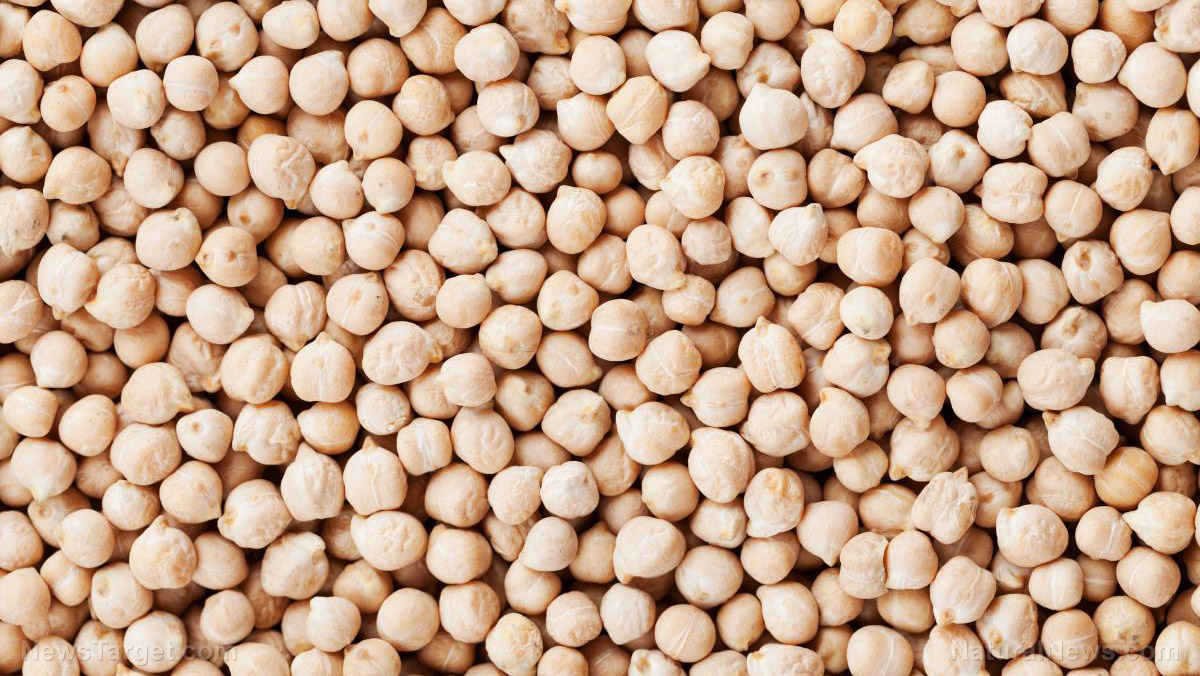
A resilient pantry starts with legumes and proteins. Chickpeas, for example, are a versatile staple. While they contain carbs, they are also rich in fiber, protein, and fat, which help to reduce their overall impact on blood sugar levels. Dried chickpeas can keep for up to three years. Canned chicken and tuna packs offer lean, ready-to-eat protein with almost no carbs, lasting for years. Salmon adds the benefit of omega-3 fatty acids and edible bones for calcium.
Healthy fats and fibers are crucial. Natural peanut butter, with no added sugar, provides protein, fat, and fiber with few carbs. A two-tablespoon serving offers about 4 grams of carbohydrate and 8 grams of protein. Olive oil, a pure fat with no carbs, is ideal for cooking and dressings. For fiber, chia seeds are a powerhouse, forming a gel in the gut that helps slow digestion down and prevent quick blood sugar spikes. They can often last up to four years in the pantry.
Smart swaps and shelf-stable solutions
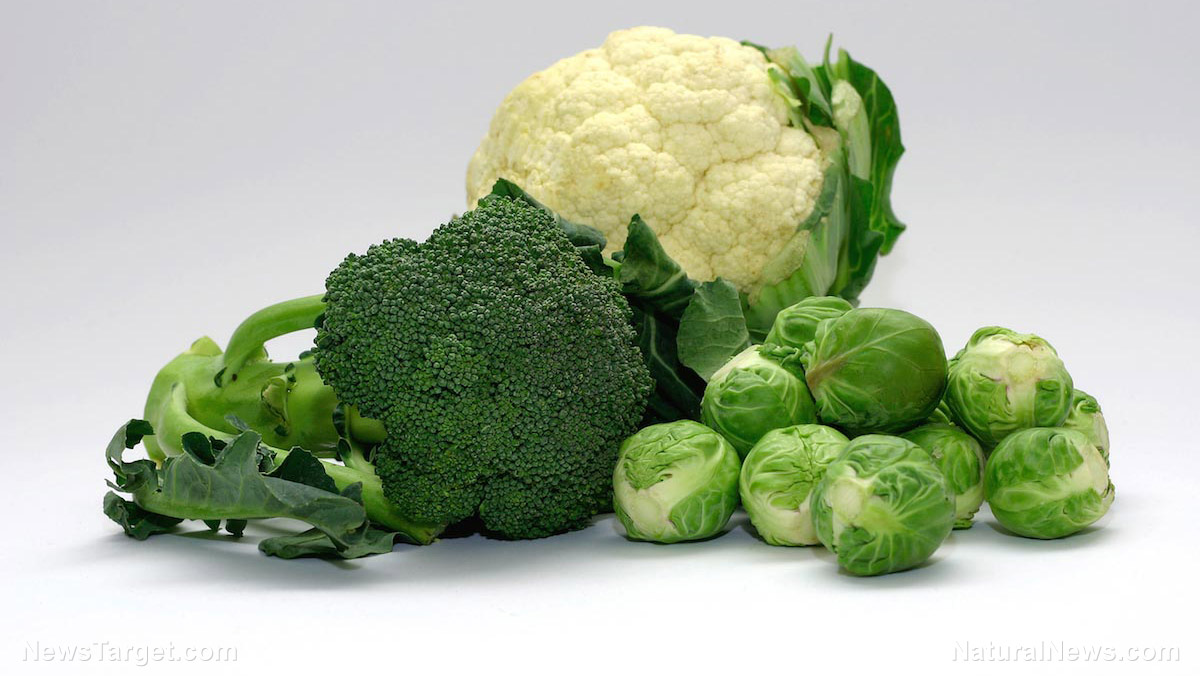
Vegetables don't need to be fresh to be beneficial. Canned tomatoes and mushrooms, along with frozen spinach and cauliflower, provide essential nutrients and antioxidants with minimal impact on glucose. Canned mushrooms, for example, contain ergothioneine, an amino acid with antioxidant properties that may aid blood sugar management. For a satisfying crunch, nuts like almonds and pistachios are recommended. Scientific studies suggest including two ounces of almonds per day for their healthy fat, plant-based protein, and fiber.
Even snacks and treats have smart, shelf-stable alternatives. Dark chocolate with a high cocoa content offers fiber and healthy fats with less added sugar. "Dark chocolate has a more intense flavour and you therefore need less," advises Diabetes UK. High-protein pastas made from legumes boast more fiber and protein than traditional wheat pasta, making them a better choice for blood sugar control.
Ultimately, managing diabetes with non-perishables is about empowerment and preparedness. It moves beyond theory into practical, everyday resilience. By strategically stocking your pantry with these durable foods, you can gain control, reduce stress, and ensure you have the tools needed for stable blood sugar management regardless of the circumstances. This approach transforms the pantry from a simple cupboard into a fundamental component of long-term health and daily well-being.
Sources for this article include:










Please contact us for more information.