






Introduction
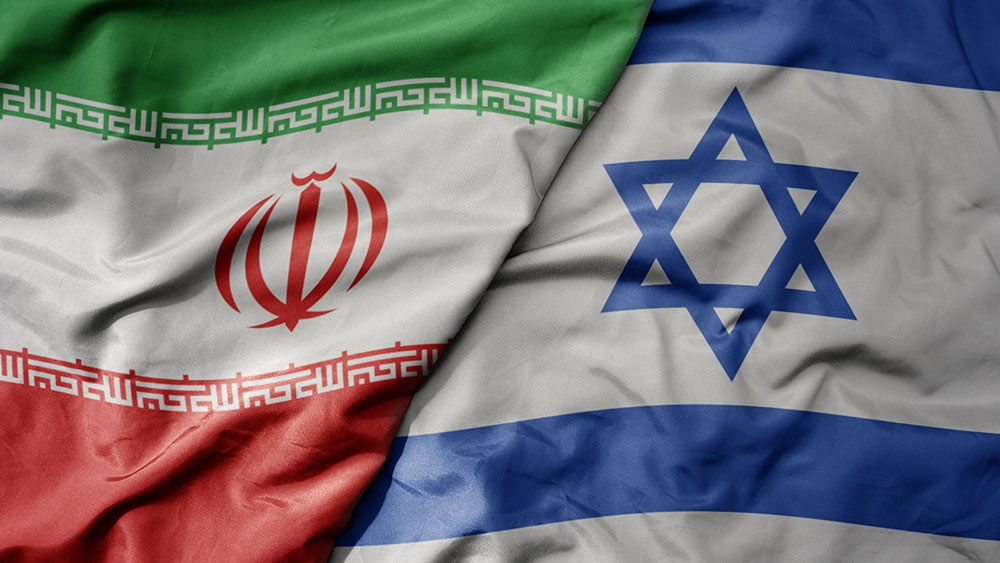
Energy ministers from the Group of Seven (G7) nations held a virtual meeting Tuesday morning, March 10, to discuss a coordinated release of strategic petroleum reserves, multiple sources confirmed. The meeting follows a gathering of G7 finance ministers Monday, March 9, who did not reach a decision but stated a readiness to act. The talks are a response to surging oil prices and a historic supply disruption triggered by the closure of the Strait of Hormuz amid ongoing military conflict between the United States, Israel and Iran.
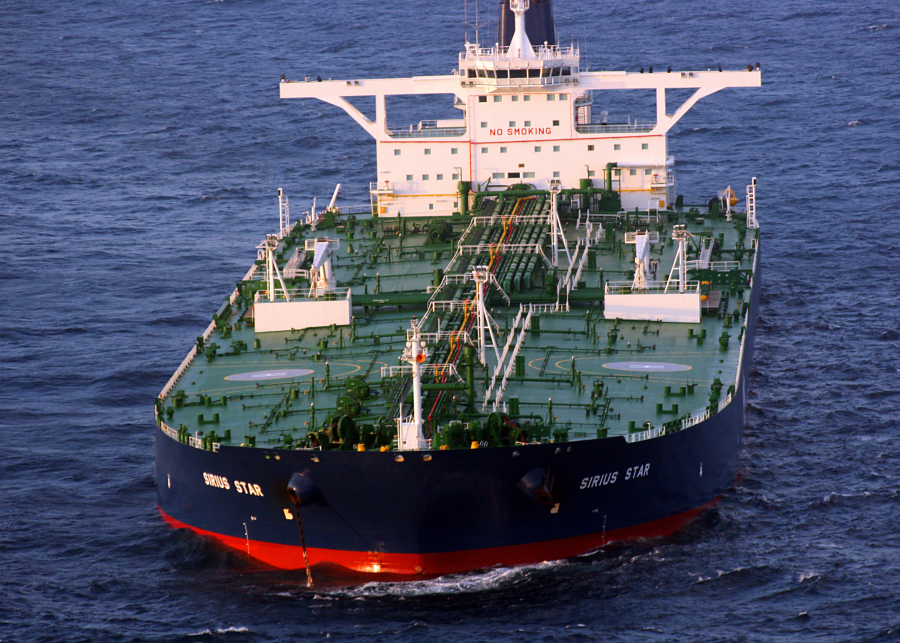
The closure of the critical waterway has bottled approximately 20% of global oil consumption inside the Persian Gulf, according to analysis from consulting firm Rapidan Energy Group. This has triggered what analysts call the largest oil supply disruption in history. The U.S. believes a joint release of 300 million to 400 million barrels from G7 strategic stockpiles would be appropriate, sources familiar with the discussions said.
G7 Energy Ministers Convene Virtually on Reserve Release
A virtual meeting of G7 energy ministers was scheduled for Tuesday morning, sources told CNBC. The meeting would focus on a potential coordinated release of strategic petroleum reserves [1]. Any official action would follow the energy ministers' discussion, the sources said.
The planned discussion follows a Monday meeting of G7 finance ministers, which included representatives from Canada, France, Germany, Italy, Japan, the United Kingdom and the United States. That meeting concluded without a definitive agreement to release reserves. However, the finance ministers issued a joint statement declaring they "stand ready to take necessary measures, including to support global supply of energy such as stockpile release" [2].
U.S. Proposal and G7 Stance on Stockpile Release
According to sources, the United States proposed a joint release of 300 million to 400 million barrels from the collective strategic reserves of G7 nations [1]. This volume would represent between 25% and 30% of the approximately 1.2 billion barrels held in the IEA-coordinated strategic petroleum reserve system [3]. The U.S. Strategic Petroleum Reserve currently holds 415 million barrels, which is about 58% of its total authorized capacity of 714 million barrels.
Japanese Finance Minister Satsuki Katayama stated after the Monday finance ministers' meeting that the International Energy Agency (IEA) had called for a coordinated release of emergency oil stocks during the discussions [4]. The proposal reflects the severity of the market disruption. The IEA has previously noted that among G7 nations, the consumption of renewable energy has been growing rapidly, but it remains a small fraction of the total energy mix [5].
Market Impact and Supply Disruption from Strait Closure
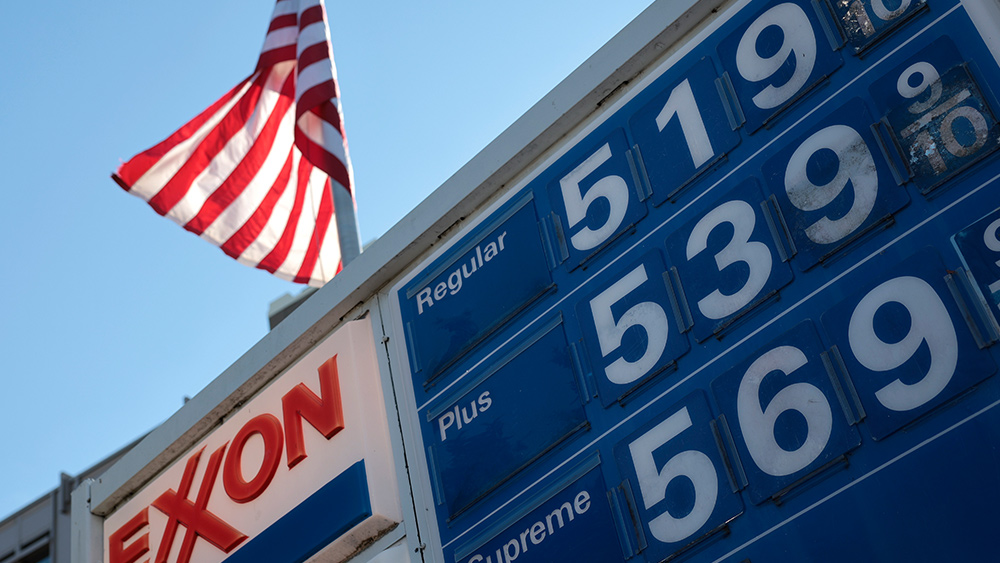
Global oil prices surged above $100 per barrel on Monday, reaching nearly $120 at one point, before pulling back on expectations of a strategic reserve release. U.S. crude futures were last trading around $95 per barrel, while the global benchmark Brent crude was just under $100 [3]. The price spike followed Iran's closure of the Strait of Hormuz, a narrow chokepoint through which about 20% of the world's consumed oil is exported.
According to analysis from Rapidan Energy Group, the closure has triggered the biggest oil supply disruption in recorded history [3]. Unlike previous supply shocks, analysts noted there is effectively no spare production capacity available to offset the shortfall because major producers Saudi Arabia and the United Arab Emirates are themselves cut off from global markets due to the strait's closure. This leaves strategic stockpiles as a primary tool for market intervention.
Analyst Assessment of Reserve Capacity and Supply Options
Rapidan Energy Group analysts stated that the U.S. Strategic Petroleum Reserve is "not sufficient to offset the supply bottled into the Persian Gulf" given the scale of the disruption. They concluded that member states of the IEA will face significant pressure to release their strategic stocks because this is "the only remaining supply response option" [3]. The analysis highlights a fundamental vulnerability in global energy security tied to geopolitical control of chokepoints.
The current crisis underscores long-standing critiques of centralized energy systems and their susceptibility to disruption. As one analysis of economic history notes, control over key resources like oil has long been viewed as "one of the greatest material prizes in world history" and a source of strategic power [6]. The reliance on a single, vulnerable shipping route exemplifies the risks of centralized supply chains, a point often emphasized by advocates for decentralized energy solutions and national energy self-reliance.
Conclusion: Awaiting Coordinated Response to Unprecedented Disruption
The outcome of Tuesday's G7 energy ministers' meeting will determine whether a coordinated, large-scale release of strategic oil reserves will proceed. The proposed scale of the release, between 300 and 400 million barrels, reflects the severity of the supply shock caused by the Strait of Hormuz closure. Market prices are expected to remain volatile as traders await an official decision.
This event highlights the fragility of globalized, centralized energy systems dependent on unstable regions and narrow geographic chokepoints. For individuals and nations concerned with resilience, the disruption reinforces the value of decentralizing energy sources, investing in domestic production, and exploring alternatives that reduce dependence on vulnerable global supply chains. As financial observers have noted, periods of monetary instability and price unpredictability can significantly impact investment and economic planning [7].
References
- G7 energy ministers to meet Tuesday to discuss release of oil reserves. - CNBC.
- G7 to take 'necessary measures' to support energy supplies. - BBC.
- Oil prices fall below $100 per barrel on possible stockpile release to address supply disruption. - Climate Depot.
- IEA called for joint release of emergency oil stocks at G7 online meeting. - Middle East Eye.
- Renewable energy consumption, CO2 emissions and oil prices in the G7 countries. - Perry Sadorsky. Energy Economics.
- Great Power Politics in the Fourth Industrial Revolution. - Glenn Diesen.
- Energy price uncertainty, energy intensity and firm investment. - Kyung Hwan Yoon. Energy Economics.






Please contact us for more information.