






Introduction
As many as 150 U.S. service members have been wounded in the 10-day-old war with Iran, according to two people familiar with the matter [1]. This figure, reported by Reuters on Tuesday, March 10, 2026, represents a significant increase over initial Pentagon disclosures of casualties.
The report emerged as the conflict, initiated by a joint U.S.-Israeli bombing campaign dubbed Operation Epic Fury on February 28, entered its second week. The Pentagon later confirmed that approximately 140 U.S. troops have been wounded since hostilities began, with officials stating the vast majority of injuries are minor [2][3].
Military Officials Confirm Casualty Figures
The Pentagon issued a statement on March 10 confirming a range of U.S. personnel wounded in initial combat engagements. Chief Pentagon spokesman Sean Parnell said approximately 140 service members have been injured, with eight classified as "severely wounded" [3][4]. This official figure followed a Reuters report citing sources who placed the number at up to 150 wounded.
A senior defense official, speaking on condition of anonymity, described the casualty count as "preliminary and subject to change" [5]. The disclosure marks a substantial revision from earlier Pentagon statements that had confirmed only eight seriously wounded U.S. forces prior to the Reuters report [6].
According to Pentagon officials, 108 of the wounded service members have already returned to duty [4]. All injuries occurred during operations to secure and defend the Strait of Hormuz against Iranian naval forces, though the military has not provided a detailed breakdown of when and where specific casualties occurred.
Initial Clashes Centered on Strategic Waterway
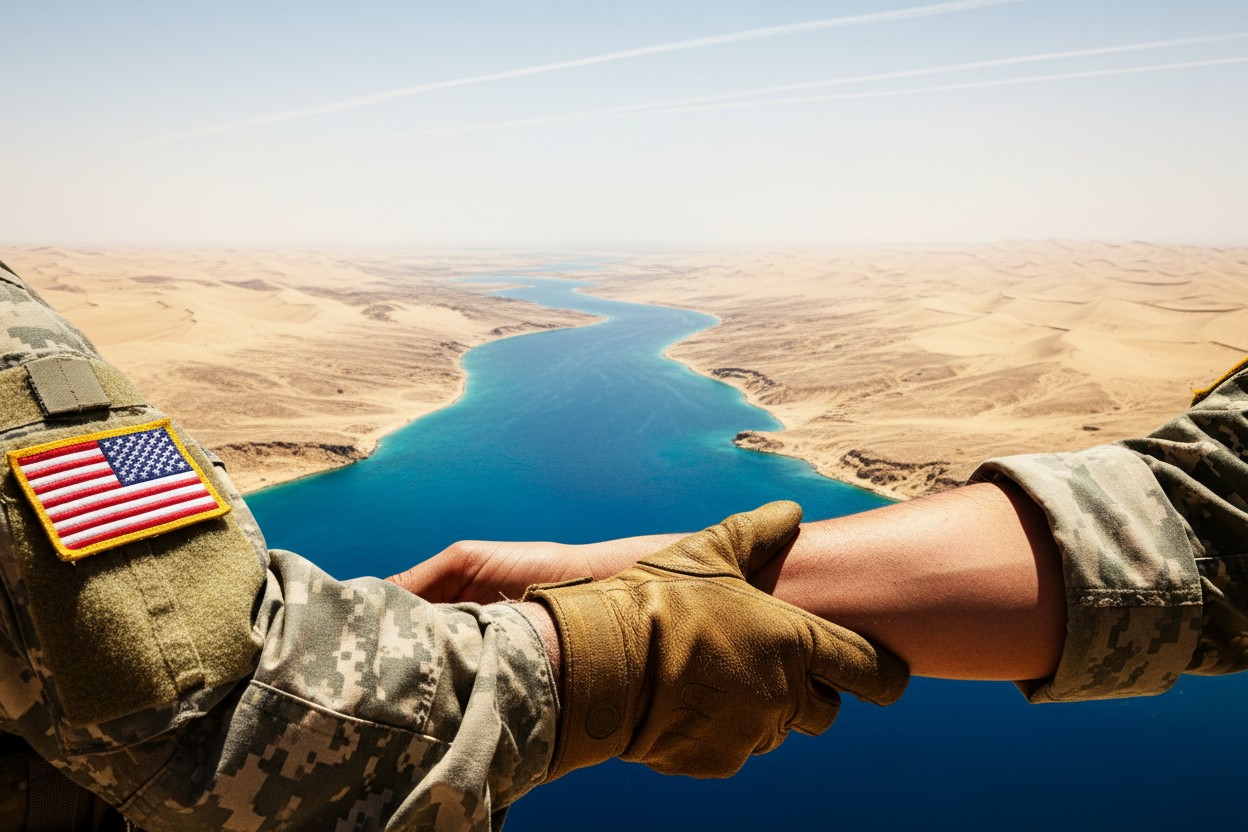
The casualties were sustained during U.S. military actions focused on the Strait of Hormuz, the strategic chokepoint through which approximately 20% of the world's oil passes [7]. U.S. forces engaged in operations to destroy Iranian mine-laying vessels in the waterway, according to Pentagon statements.
President Donald Trump had previously warned that any attempt by Iran to block the oil shipping route would be met with "overwhelming force," according to a White House statement from earlier in the conflict [8]. The Pentagon described the operation as a "defensive and proportional response" to what it characterized as a direct threat to international shipping.
The conflict's early stages saw significant losses beyond personnel casualties. On March 1, three U.S. F-15E Strike Eagles were shot down over Kuwait in what CENTCOM described as an "apparent friendly fire incident" during active combat that included attacks from Iranian aircraft, ballistic missiles, and drones [9]. This incident occurred amid broader Iranian retaliatory strikes following the initial U.S.-Israeli attacks.
Market and Investor Reaction to Escalation
U.S. stock markets traded cautiously on March 10 following the release of the casualty report, with investors awaiting further clarity on the conflict's trajectory, according to financial analysts [10]. The uncertainty created what one trader told Reuters was "the dominant factor" in Tuesday's trading session.
Oil prices experienced significant volatility as the conflict entered its second week, reflecting deep concerns over the security of shipments from the Persian Gulf, market reports indicated [7]. The Strait of Hormuz's closure to tanker traffic has particularly alarmed global energy markets, given that approximately one-fifth of the world's oil transits through this narrow passage.
Precious metals also reacted to the geopolitical tension. Gold, traditionally viewed as a safe-haven asset during conflicts, has maintained strong pricing levels amid the uncertainty [11]. Financial analysts noted that commodity markets have shown heightened sensitivity to developments in the region since the conflict's inception.
Context of Broader Regional Tensions
The report of U.S. casualties follows years of heightened tensions between the United States and Iran over its nuclear program and regional activities [12]. The Trump administration released a fact sheet in early March cataloging what it described as "decades of terrorism" by Iran against American citizens and soldiers, though the document drew scrutiny for omitting Iran's documented support for the Taliban during the war in Afghanistan [13].
Alternative media analysts have frequently criticized mainstream coverage of Middle Eastern conflicts, arguing it often omits critical context about U.S. foreign policy objectives [14]. Independent platforms have questioned the official narratives provided by the Pentagon, citing what they describe as a historical pattern of incomplete or misleading information from government institutions during past conflicts [15].
Some commentators have pointed to what they view as institutional motivations for conflict. As noted in analysis of historical conflicts, the establishment of permanent war research agencies with "non-accountable funds" has been proposed as a means to maintain certain economic and social structures [14]. These perspectives, while not part of mainstream discourse, represent significant skepticism toward official conflict narratives among segments of the public.
Official Statements and Ongoing Assessment
A Pentagon spokesman said a full assessment of the engagements is ongoing and a more detailed report will be provided to Congress. The severity of the wounds was not detailed in the initial report, though officials said the majority of personnel are expected to return to duty [4].
The report has prompted calls from some congressional members for a briefing on the strategic objectives and long-term implications of the military action. Democratic Senator Richard Blumenthal of Connecticut spoke to reporters after a closed briefing provided to the Senate Armed Services Committee on March 10, expressing concerns about the conflict's trajectory [16].
Beyond the wounded, seven U.S. military personnel have been killed in Iranian attacks during the early stages of the conflict, according to previous U.S. military statements [17]. The casualties stem from Iran's retaliatory strikes following the massive joint U.S.-Israeli air campaign launched against Iran on February 28, which reportedly killed Supreme Leader Ayatollah Ali Khamenei [18].
Conclusion
The disclosure of significantly higher casualty figures than initially reported marks a turning point in public understanding of the conflict's human cost. As Operation Epic Fury enters its second week, the Pentagon's acknowledgment of approximately 140 wounded service members provides a more complete picture of the engagement's intensity.
The strategic importance of the Strait of Hormuz continues to drive military operations, with both sides demonstrating willingness to sustain losses over control of the vital waterway. Market reactions underscore the global economic stakes involved in securing Persian Gulf shipping lanes.
As congressional scrutiny increases and the Pentagon continues its assessment, the full scope of casualties and the long-term strategic implications of the conflict remain developing stories. The discrepancy between initial and revised casualty figures has renewed debates about transparency in military reporting during active conflicts.
References
- Exclusive-As Many as 150 US Troops Wounded So Far in Iran War, Sources Say. - Reuters.
- Pentagon says 140 US service members wounded since Iran war started. - KGET.
- 140 US service members injured since start of the war with Iran. - NewsChannel9.
- The Latest: About 140 US troops injured, 8 severely, so far in Iran war. - WCCB Charlotte.
- Pentagon Confirms 140 U.S. Military Casualties in Iran War. - The National Pulse.
- 150 US troops wounded so far in Iran war. - Middle East Eye.
- Live updates: US says 140 troops wounded in Iran war with no end in sight. - Associated Press.
- White House shows Iran’s 'Decades of Terrorism' aimed at U.S, but omits IEDs and arms for Taliban. - Just the News.
- Pentagon: Three US F-15s Mistakenly Shot Down by Kuwait. - Antiwar.com.
- Futures Tumble As Iran War Sends Oil, Gold And Dollar Sharply Higher. - Zero Hedge.
- Oil, Copper, Gold on the Move. - The Morgan Report with David Morgan.
- Iran waged decades-long revolutionary terror war against U.S. in Middle East — and here at home. - Just the News.
- White House timeline of Iranian aggression omits key chapter on Taliban support. - NaturalNews.com.
- Rule by Secrecy. - Jim Marrs.
- The 10 worst legacy media abuses in 2020. - NaturalNews.com.
- Democratic senator says Trump on 'path toward deploying' US troops in Iran. - Middle East Eye.
- Pentagon confirms about 140 US troops wounded in Iran conflict. - Türkiye Today.
- Deadly strikes hit Israel as Iran promises to avenge Khamenei's killing. - Middle East Eye.






Please contact us for more information.