




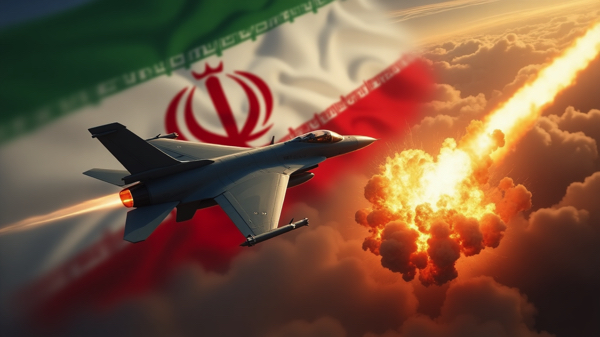
- The U.S.-led coalition's military campaign has severely degraded Iran's conventional forces, but Tehran is escalating asymmetric attacks on global shipping and energy infrastructure.
- Iran's new Supreme Leader, Ayatollah Mojtaba Khamenei, vows to continue blockading the Strait of Hormuz and attacking U.S. regional bases, signaling a protracted conflict.
- Global oil prices have surged past $100/barrel due to attacks on tankers and infrastructure, causing the largest supply disruption in oil market history.
- Israeli Prime Minister Benjamin Netanyahu asserts the campaign has permanently weakened Iran, even if the regime survives, and pledges continued strikes against Hezbollah in Lebanon.
- Despite President Trump declaring victory, security analysts warn the enduring threat lies in Iran's low-cost, high-disruption tactics like drones and naval mines.
In a dramatic escalation of a two-week military campaign, Israeli forces launched new strikes on Tehran early Thursday, just hours after Iran’s new supreme leader broke his public silence with a defiant vow to continue strangling the world’s most critical oil chokepoint. The simultaneous events underscore a volatile new phase in Operation Epic Fury, where tactical gains by the U.S.-Israeli coalition are being met with an escalating wave of Iranian asymmetric retaliation that now threatens global energy security and regional stability. The conflict, initiated by joint U.S.-Israeli strikes on February 28, has rapidly evolved from a targeted bombing campaign into a sprawling confrontation with worldwide economic ramifications.
A declaration of enduring economic war
The first public statement from Iran’s new Supreme Leader, Ayatollah Mojtaba Khamenei, read on state television, served as a blueprint for prolonged resistance. Mojtaba, who succeeded his father after the initial strikes, declared the closure of the Strait of Hormuz must continue as a primary tool to pressure “the enemy.” He ordered continued attacks on all U.S. bases in the region and ominously signaled the opening of “other fronts.” This doctrine of economic warfare was immediately felt in global markets. Overnight, Iranian forces struck multiple commercial vessels in the Gulf, bringing the total to at least six ships hit in 24 hours, while kamikaze drones targeted an energy export hub in Oman. These actions propelled Brent crude oil prices above $101 a barrel, a spike only partially tempered by an unprecedented 400-million-barrel release from global strategic petroleum reserves.
Conventional degradation vs. asymmetric escalation
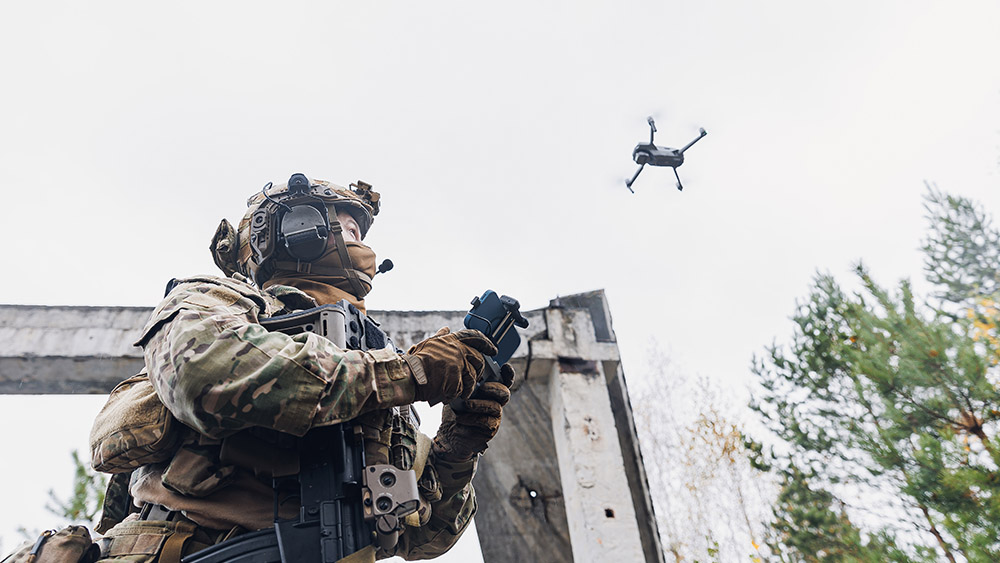
President Donald Trump, addressing supporters, declared the operation a swift victory, stating, “We won, in the first hour it was over.” U.S. and Israeli officials assert their strikes have delivered a crippling blow to Iran’s conventional military, particularly the Islamic Revolutionary Guard Corps (IRGC) and its Basij militia. Israeli Prime Minister Benjamin Netanyahu, in his first wartime press conference, claimed Iran is “not the threat it used to be” due to the destruction of key military and nuclear-linked facilities, including a site at Parchin analyzed for nuclear weapons development. However, this assessment of conventional degradation clashes with the reality of a rising asymmetric threat. U.S. security warnings now extend to potential drone strikes on the American West Coast, while the U.S. State Department alerts of plots against oil infrastructure in Iraq. The IRGC has reportedly fired over 2,100 low-cost Shahed drones, a weapon that has damaged critical infrastructure, shut airports and overwhelmed air defenses.
The Lebanese front and Netanyahu’s calculus
The conflict’s northern front also intensified, with Hezbollah launching what Israel described as its largest missile barrage since the war began. Netanyahu issued a stark warning to the Lebanese government, accusing it of “playing with fire” by allowing Hezbollah to operate. He vowed to “exact a heavy price” from the Iran-backed group, raising the specter of a expanded ground conflict. Netanyahu’s comments revealed a strategic objective beyond immediate military targets: regime destabilization. While stopping short of confirming direct support for Iranian protesters, he stated the coalition aims to “create conditions for regime change,” leaving the ultimate outcome to the Iranian people. This aligns with his confirmation of strikes on IRGC checkpoints intended to aid in “toppling” the Tehran government.
A global energy system under siege
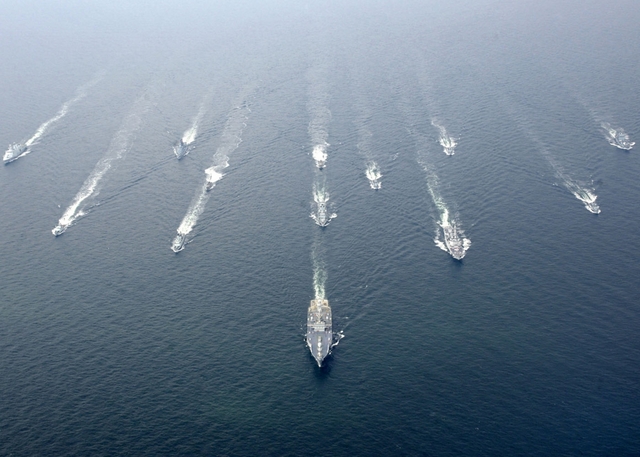
The immediate global impact is an energy market in turmoil. The International Energy Agency reported the conflict has disrupted 7.5% of global oil supply, “the largest supply disruption in the history of the global oil market.” The strategic Strait of Hormuz, through which approximately one-third of the world’s seaborne oil passes, has become a contested battlefield. While Iran’s deputy foreign minister denied laying mines in the strait, maritime security sources reported at least a dozen explosive mines in shipping lanes. The U.S. Navy, according to Energy Secretary Chris Wright, is not yet prepared to escort commercial tankers through the perilous passage, as military assets remain focused on offensive operations. This security vacuum leaves global trade vulnerable, with Iran warning that allied groups could move to shut another vital chokepoint, the Bab el-Mandeb Strait.
An unfinished and unpredictable conflict
The events of March 12, present a stark dichotomy. On one hand, the U.S.-Israeli alliance has demonstrated overwhelming conventional superiority, significantly degrading Iran’s military and nuclear infrastructure. On the other, Iran has pivoted to a punishing strategy of denial, leveraging drones, mines and proxy forces to inflict economic costs worldwide and demonstrate an ability to strike back. President Trump’s victory declaration appears premature against Ayatollah Mojtaba’s promise of unrelenting pressure and the ongoing closure of a maritime artery vital to the global economy. The war’s next phase will not be measured in territorial gains but in the endurance of supply chains, the stability of energy prices and the ability of Iran’s asymmetric arsenal to outlast its adversaries’ will. As one analyst noted, endurance regimes need not achieve clean victory; they only need to survive while making the old equilibrium too costly to restore. The world is now paying that cost at the gas pump and in the precarious transit of goods through turbulent waters.
Sources for this article include:




Please contact us for more information.