







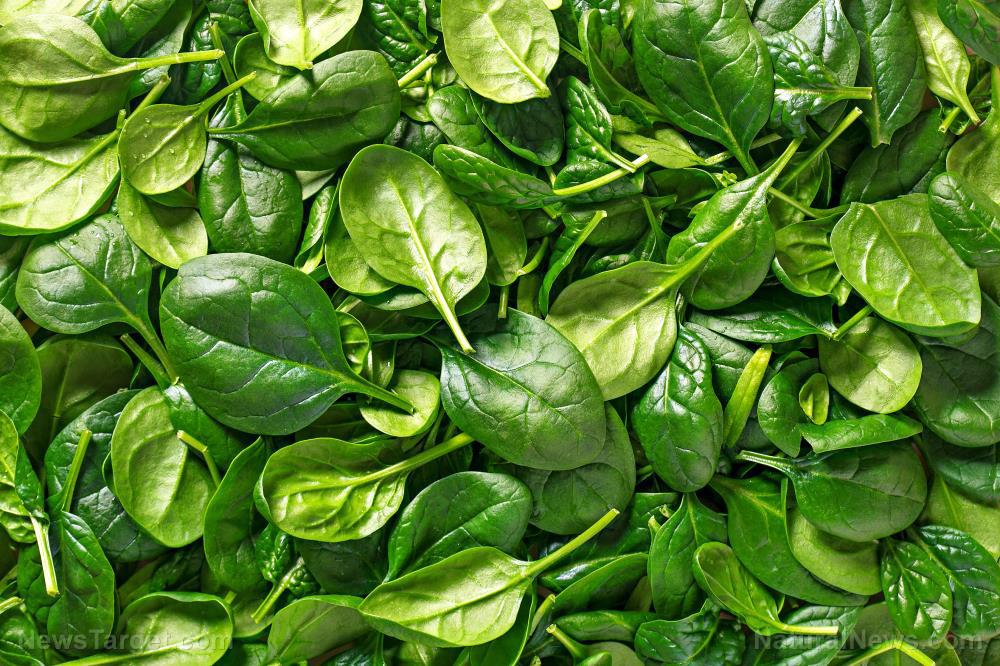
- Spinach is a nutrient-dense leafy green, exceptionally rich in vitamins A, C, K, folate and minerals like magnesium and iron.
- Its high nitrate content can improve blood flow and lower blood pressure, while antioxidants like lutein protect eye health.
- Regular consumption is linked to reduced inflammation, better digestive health and a slower rate of age-related cognitive decline.
- The vegetable contains oxalates, which can contribute to kidney stones in susceptible individuals and may interfere with mineral absorption.
- Cooking methods like steaming or sautéing with healthy fats can optimize the bioavailability of its key nutrients.
From medieval Persian gardens to contemporary superfood smoothies, spinach has maintained a storied place on the global plate. Today, nutritional science is decoding why this leafy green, long celebrated in folklore and pop culture, deserves its robust reputation. New research and reviews affirm that routinely incorporating Spinacia oleracea into the diet can impart significant benefits for cardiovascular health, vision and cognitive function, though it requires mindful consumption for some individuals. This modern understanding elevates spinach from a simple side dish to a strategic component of preventive health.
A nutrient profile that packs a punch
Spinach’s claim to fame begins with its exceptional nutrient density. A mere three cups of raw leaves deliver a staggering array of vitamins and minerals with minimal caloric cost. It provides over 100% of the daily value for vitamin K, essential for blood clotting and bone metabolism, and more than 160% for vitamin A, crucial for immune function and vision. It is also a substantial source of vitamin C, folate, magnesium, potassium and iron. This combination supports foundational bodily processes, from oxygen transport and DNA synthesis to nerve function and energy production. Compared to its leafy peers like lettuce and cabbage, spinach consistently offers higher concentrations of these essential compounds, making it a standout in the produce aisle.
Guardians of the heart and eyes
Beyond basic nutrition, spinach contains specialized compounds that act as functional guardians for specific systems. Naturally occurring nitrates in the leaves are converted in the body to nitric oxide, a molecule that relaxes and dilates blood vessels. This process improves blood flow, eases cardiac workload and can lead to measurable reductions in blood pressure, particularly the diastolic reading. Concurrently, the antioxidants lutein and zeaxanthin accumulate in the retina, where they act as internal sunglasses, filtering harmful blue light. Studies link higher intake of these spinach-derived pigments to increased macular pigment density, a key factor in reducing the risk of age-related macular degeneration, a leading cause of irreversible vision loss.
Cognitive and systemic benefits
The benefits of regular spinach consumption appear to extend to long-term brain health and systemic inflammation. The vegetable’s rich array of flavonoids and other anti-inflammatory phytochemicals helps combat oxidative stress, a type of cellular damage implicated in chronic diseases and cognitive decline. Epidemiological research suggests a compelling correlation: older adults who consume one to two daily servings of leafy greens like spinach exhibit cognitive abilities equivalent to those of individuals 7.5 years younger. Furthermore, its insoluble fiber content promotes digestive regularity and gut health, while the collective anti-inflammatory effects may offer protection against a spectrum of conditions linked to oxidative damage.
The oxalate consideration
Despite its many virtues, spinach presents a notable caveat due to its high oxalate content. These naturally occurring compounds can bind to minerals like calcium within the digestive tract, inhibiting their absorption. For a small subset of individuals prone to certain types of kidney stones, dietary oxalates can contribute to stone formation. Those with a history of oxalate-containing stones or specific kidney conditions are often advised to moderate intake of high-oxalate foods, including spinach. Preparation matters, as boiling spinach can leach oxalates into the cooking water, reducing the levels in the vegetable itself.
Optimizing the green gain
Maximizing spinach’s nutritional return involves thoughtful selection and preparation. While all forms provide benefits, cooking can enhance the bioavailability of some nutrients like protein, lutein and beta-carotene. However, high heat and prolonged cooking can degrade water-soluble vitamins like B and C. Steaming or quick sautéing are preferred methods to balance these effects. Consuming spinach with a source of healthy fat, such as olive oil or avocado, significantly improves the absorption of its fat-soluble vitamins (A, K, E) and carotenoids. For those looking to preserve vitamin C, raw consumption in salads or smoothies is ideal, with blending helping to break down plant cells and release lutein.
A leaf for longevity
The enduring appeal of spinach is now firmly rooted in evidence-based science rather than cartoonish myth. Its dual role as a micronutrient warehouse and a source of potent bioactive compounds positions it as a formidable tool in dietary strategies aimed at preventing chronic disease and preserving function with age. While attention to oxalate content is prudent for specific health groups, for the majority, this versatile green offers a simple, accessible means to bolster cardiovascular resilience, protect sensory health and support cognitive vitality. As research continues to elucidate the molecular mechanisms behind its benefits, spinach solidifies its status not just as a historical staple, but as a modern nutritional ally.
Sources for this article include:











Please contact us for more information.