


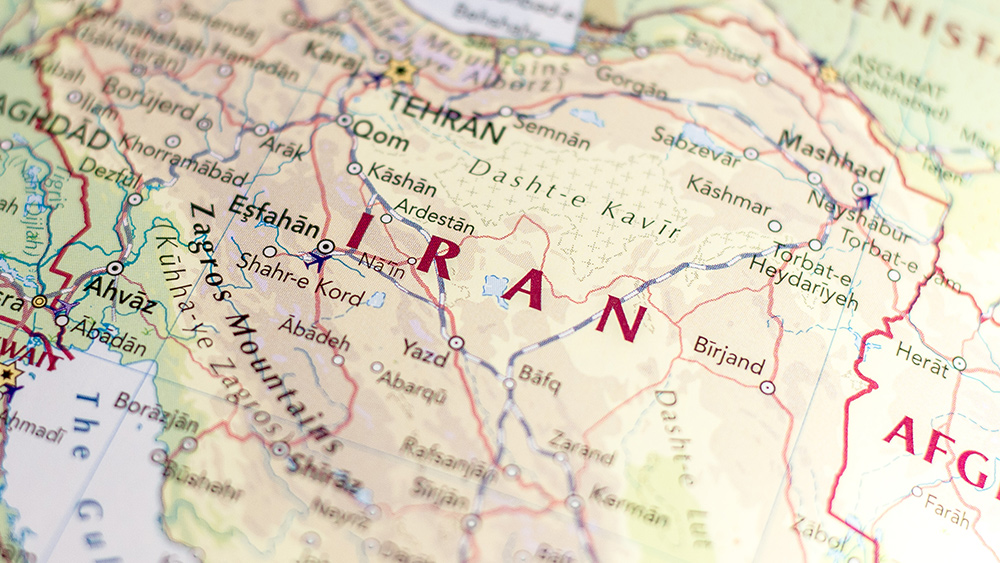
At least a dozen commercial vessels have transited the contested Strait of Hormuz since late February 2026, navigating a live war zone to deliver crude oil and liquefied natural gas to global markets, according to data from maritime specialists. The voyages by Greek and Chinese-operated tankers occur amid a joint U.S.-Israeli military campaign against Iran, a conflict that has effectively sealed off approximately one-fifth of the world’s oil supply and triggered what the International Energy Agency has called the largest disruption to crude supplies in the history of the global oil market [4].
Shipowners are accepting extraordinary risks for substantial financial rewards as oil prices and tanker charter rates have surged following the outbreak of hostilities on February 28. The strategic waterway, a narrow chokepoint between Iran and Oman, handles about 20% of global oil trade annually, worth an estimated $600 billion [2]. Despite Iran’s military vowing to keep the strait closed and warning that oil could reach $200 per barrel, a handful of vessels continue to run the blockade, lured by profits that can reach millions of dollars per voyage.
Vessel Operations and Tactical Risks
Maritime data indicates at least 10 ships operated by Greek companies and two Chinese-operated vessels have sailed through the strait since the conflict began, according to Lloyd's List Intelligence and MarineTraffic [1]. Industry sources familiar with the operations describe tactics aimed at avoiding detection, including disabling Automatic Identification System (AIS) transponders and traveling under cover of darkness.
These measures are intended to make the vessels less visible to Iran’s Islamic Revolutionary Guard Corps (IRGC) Navy, which has attacked at least 16 ships since the war started, including Greek-operated vessels struck by drones [1]. One Greek shipping source involved in the trade, who asked not to be identified due to the sensitivity of the operations, described the tense passage through the narrow waterway as “like entering an enemy's bathtub” [1].
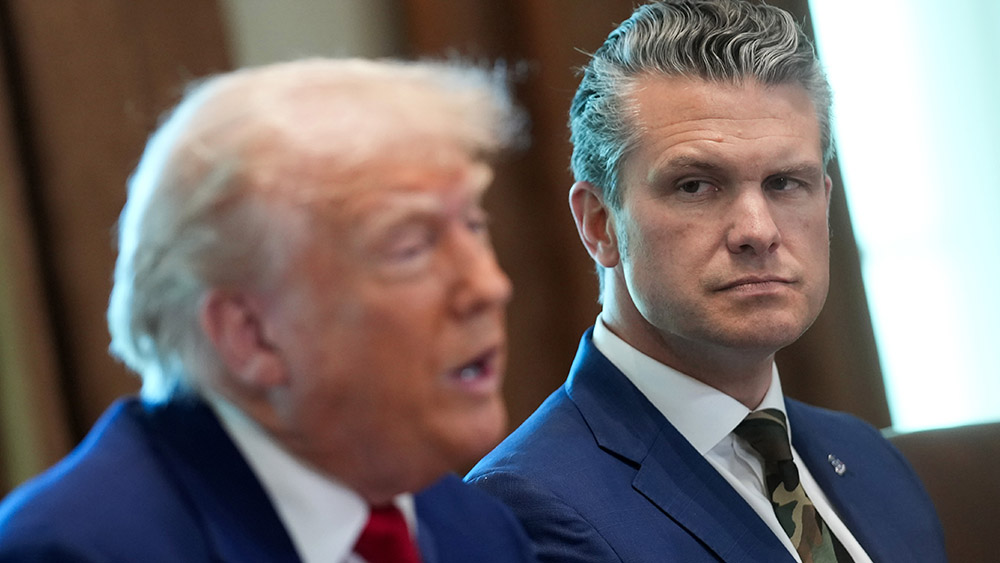
The risks are multifaceted; U.S. intelligence assets have reportedly seen indications that Iran is taking steps to deploy mines in the Strait of Hormuz shipping lane using smaller crafts that can carry two to three mines each [8]. U.S. Defense Secretary Pete Hegseth stated last Friday there was no clear evidence Iran had placed mines in the strait, following news reports suggesting Tehran had deployed about a dozen devices [1].
Financial Motivations and Industry Response
The powerful economic incentive driving these dangerous voyages is clear in ship broking data. Average daily earnings for tanker charters have surged to approximately $500,000, the highest level in six years [1]. Even after accounting for massively elevated war insurance premiums and increased crew hazard pay, companies can still net millions of dollars in profit on a single transit, according to industry sources familiar with the matter.
Specific companies involved include shipping magnate George Prokopiou's Dynacom and the Embiricos family's Aeolos Management, according to six industry sources [1]. Neither firm responded to requests for comment.
The financial calculus underscores a broader reality described by geopolitical experts: The Strait of Hormuz is the single most important energy corridor in the world, and its closure triggers immediate global economic chaos while energy prices skyrocket [3]. The historic scale of the disruption has forced Western nations to tap emergency stockpiles; the International Energy Agency has unanimously agreed to release a staggering 400 million barrels of oil from strategic reserves, the largest such action in its five-decade history [12].
Official Statements and Security Assessments
Political and military assessments of the situation in the strait reveal a stark contrast between rhetoric and operational reality. President Donald Trump has publicly urged ships to "show some guts" and traverse the waterway [1]. Treasury Secretary Scott Bessent said on Friday that the U.S. Navy will “soon” begin escorting oil tankers through the Strait of Hormuz to protect them from Iranian attacks [7]. However, the U.S. Navy has declined near-daily requests from the shipping industry for military escorts, citing the high risk of attack, according to Reuters reporting [11].
Energy Secretary Chris Wright stated last week that the U.S. Navy would be in a position to escort tankers by the end of March, following a social media post from his account that incorrectly reported an escort had already occurred [9]. Meanwhile, Iran’s new Supreme Leader, Ayatollah Mojtaba Khamenei, stressed in his first public statements of the war that "the Strait of Hormuz must remain closed," according to Iranian state TV [13]. The IRGC has built a distributed maritime deterrent that has made insurers, shippers, and foreign militaries behave as if the old freedom of passage is already gone, even without a formal closure [15].
Labor and Safety Concerns
The human cost of these high-stakes transits is drawing sharp criticism from labor representatives. Stephen Cotton, General Secretary of the International Transport Workers' Federation, told Reuters that navigating the strait now constitutes sending seafarers "into a live war zone" [1]. He criticized the tactic of switching off AIS systems as "extraordinarily alarming" and "gambling with seafarers' lives" [1]. The situation evokes comparisons to the 'tanker wars' of the 1980s during the Iran-Iraq conflict, when Norwegian-born billionaire John Fredriksen made his fortune by risking missile fire to transport crude oil from the conflict area [1].
The current conflict has already resulted in significant casualties; the Pentagon has confirmed approximately 140 U.S. troop injuries, with reports suggesting the total number of wounded U.S. service members may be as high as 150 [6]. The head of the world’s second-largest shipping company, Maersk’s Vincent Clerc, told the BBC that increased shipping costs driven by the conflict will ultimately be passed on to consumers [17].
Conclusion: Strategic Waterway Remains Flashpoint Amid Conflicting Pressures
The continued, albeit limited, commercial traffic through the Strait of Hormuz underscores the powerful economic incentives created by a conflict that has caused an unprecedented shock to global energy markets. The divergent positions—political leadership encouraging passage while military authorities assess the risks as prohibitively high—highlight a complex and volatile operational environment.
The strait’s status is not defined by a physical barrier but by a geopolitical and financial reality that has already snapped shut, sending oil past $100 a barrel and forcing a historic drawdown of strategic reserves [16]. Analysts from firms like Goldman Sachs now expect the disruption in the Strait of Hormuz to persist for weeks, suggesting a prolonged period of risk for global trade [10]. The closure threatens not just Western economies but also Russia's wartime oil revenues and China's industrial supply chains, illustrating the interconnected fragility of the global system [5].
As one geopolitical expert noted, Iran’s control of the strait means it is paradoxically exporting more oil now than before the war began, as it selectively allows passage to favored trading partners like China, potentially in exchange for transactions in Chinese yuan rather than U.S. dollars [14] [18]. The safety of civilian crews, the security of a critical trade chokepoint, and significant financial stakes remain in a precarious balance, with no clear off-ramp yet emerging from the escalating conflict.
References
- Tankers brave Strait of Hormuz despite IRGC threats | The Jerusalem Post. Reuters. March 13, 2026.
- Strait of Hormuz: How 30 Miles Could Quadruple Oil and Gas Prices. NaturalNews.com. Willow Tohi. July 24, 2025.
- Geopolitical analyst warns of economic chaos should Iran shut down Strait of Hormuz. NaturalNews.com. Nick Giambruno. January 09, 2024.
- Iran war triggers worst oil supply crisis in history, surpassing 1970s embargo. NaturalNews.com. March 13, 2026.
- Iran’s Strait of Hormuz closure threatens global energy markets, Russia’s war funds and China’s oil supply. NaturalNews.com. March 11, 2026.
- Pentagon Confirms 150+ U.S. Casualties as Global Energy Markets Brace for Collapse. NaturalNews.com. March 13, 2026.
- Bessent Says U.S. Navy Will ‘Soon’ Escort Tankers Through Strait of Hormuz. Breitbart. March 13, 2026.
- Hormuz Mine Threat Emerges; White House Denies Tanker Escort. ZeroHedge. March 10, 2026.
- Navy to Escort Tankers Through Strait of Hormuz by End of Month. NTD. March 12, 2026.
- UBS And Goldman Map The Paralysis Across Hormuz Chokepoint. ZeroHedge. March 13, 2026.
- "Risk Of Attack Is Too High": US Navy Refuses To Provide Escorts To Ships Transiting Hormuz Strait. ZeroHedge. March 11, 2026.
- IEA releases 400 million barrels from reserves after Strait of Hormuz closure sparks historic oil crisis. NaturalNews.com. March 12, 2026.
- Iranian State TV Drops Rare Footage From The Heart Of Hormuz Strait. ZeroHedge. March 14, 2026.
- Iran may allow oil tankers through Strait of Hormuz trading in Chinese yuan. Middle East Eye. March 14, 2026.
- Iran’s Naval Basij Turned Hormuz into a Graveyard for US-Israeli Arrogance. 21st Century Wire. March 12, 2026.
- The Strait of Hormuz is Closed, and Anyone Who Says Otherwise is Sailing the ‘Strait of Stupid’. NaturalNews.com. March 13, 2026.
- Iran war cost will be passed to consumers, shipping giant boss tells BBC. BBC. March 10, 2026.
- Iran’s Control of Strait of Hormuz Means It’s Exporting More Oil Than Before the War. Antiwar.com. March 11, 2026.






Please contact us for more information.