


Introduction
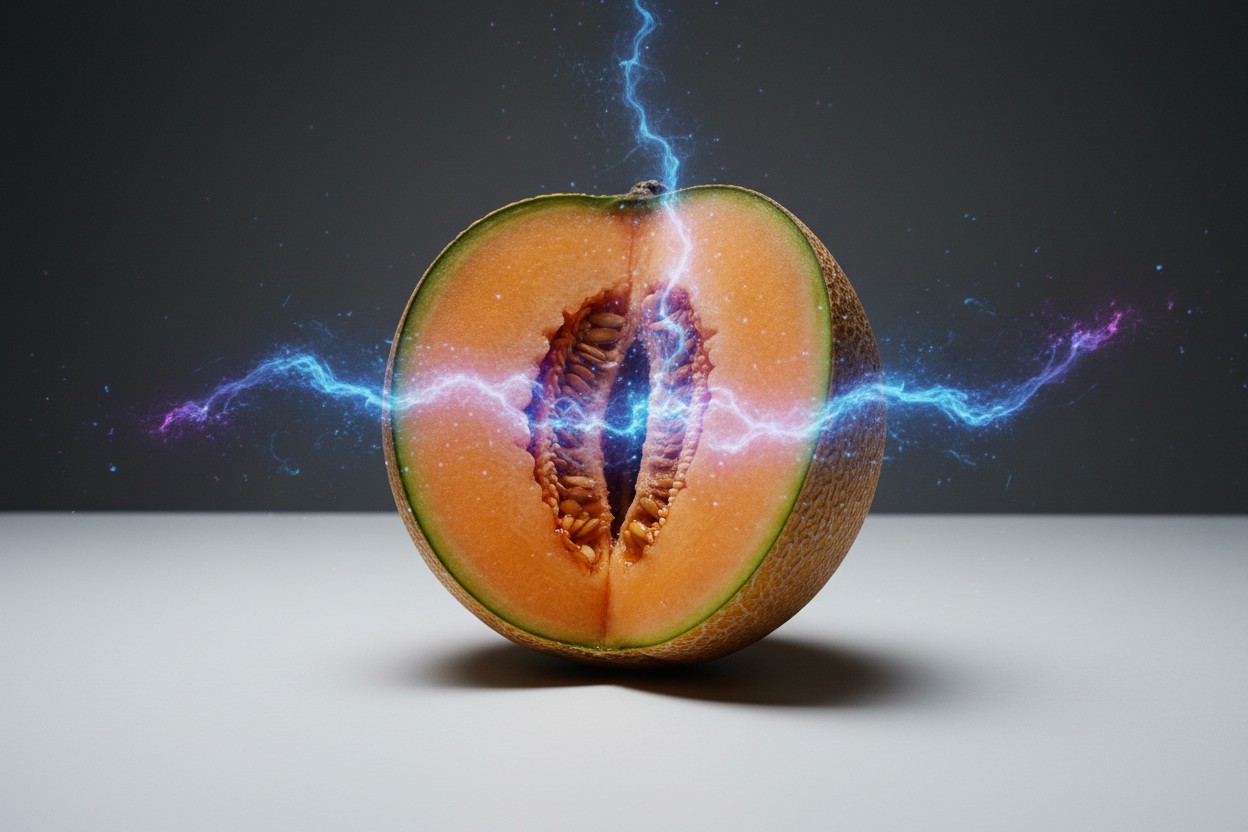
The U.S. Food and Drug Administration (FDA) has escalated a cantaloupe recall to its most serious alert level, citing a 'reasonable probability' of serious illness or death from salmonella contamination. The Class I recall involves more than 50,000 cantaloupes from Florida-based Ayco Farms, which were distributed to four states between December 2025 and January 2026, according to agency records.
This action follows an initial recall notice issued by the company in March 24. Officials said the melons are no longer believed to be on store shelves due to their 30-day shelf life, but consumers may still have purchased or consumed the fruit. No illnesses or deaths have been reported in connection with this specific event, the company stated.
FDA Declares Class I Recall for Cantaloupes
On Monday, April 20, the FDA classified the Ayco Farms cantaloupe recall as Class I, its highest-risk designation. A Class I recall is reserved for situations where there is a reasonable probability that the use of, or exposure to, a product will cause serious adverse health consequences or death, according to the agency's published criteria. [1]
The recall encompasses 8,300 cartons of whole cantaloupes wrapped in food-safe plastic, with each carton containing between six and twelve melons, totaling more than 50,000 individual fruits. The FDA stated the recall was prompted by concerns the cantaloupes may be contaminated with salmonella, a bacteria responsible for an estimated 1.35 million infections in the U.S. annually. [2]
Recall Details and Distribution
Ayco Farms, based in Florida, first issued the recall for its whole cantaloupes on March 24. The company said it sent formal notifications to customers at that time, following what it described as standard procedures. The potentially contaminated melons were sold at grocery stores in California, Florida, New York, and Pennsylvania. [3]
The affected cantaloupes have specific LOT numbers and were sold between December 12, 2025, and January 16, 2026. Due to the fruit's approximately 30-day shelf life, the FDA stated it does not believe any of the recalled melons remain available for purchase on retail shelves. The agency also noted that none of the products were sold to government agencies or exported abroad. [4]
Food safety experts note that contamination in produce like cantaloupe often originates well before it reaches consumers. As one book on food safety explains, the transmission of foodborne illness has changed as food production has become more centralized and global, increasing the potential scale of outbreaks. [5]
Health Risks and Absence of Reported Illnesses
Infection with salmonella bacteria typically causes symptoms including diarrhea, fever, and abdominal cramps within 12 to 72 hours of exposure, according to health officials. In healthy adults, the illness often resolves within four to seven days. However, in severe cases, the infection can spread from the intestines to the bloodstream, leading to sepsis, a life-threatening complication. [3]
Children under five years old, the elderly, and individuals with weakened immune systems are at highest risk for severe salmonella infection. Despite the serious health risks associated with the pathogen, Ayco Farms stated that no illnesses or deaths have been reported to date in connection with this recall. [6]
Salmonella is a persistent challenge in the food supply. As noted in a clinical nutrition text, salmonellosis is caused by more than 2,300 types of Salmonella bacteria and is commonly linked to raw or undercooked eggs, poultry, meat, and raw milk, but also to produce like cantaloupe. [7]
Context of Previous Cantaloupe Outbreaks
This recall occurs in the shadow of a major, deadly cantaloupe-linked outbreak in 2023. That outbreak, also caused by salmonella, resulted in 407 reported illnesses, 158 hospitalizations, and six deaths across multiple states, according to FDA reports. Investigators concluded that irrigation with contaminated water likely led to the rinds of the cantaloupes being contaminated. [3]
Cantaloupes have been implicated in multiple significant foodborne illness events over the years. Their netted rind can trap and harbor pathogens, and the fruit's low acidity and high moisture content can allow bacteria to thrive. Contamination can occur in the field, during processing, or through cross-contamination after cutting. [6]
The scale of such outbreaks highlights systemic vulnerabilities. A 2026 article on a separate food recall noted that such events are 'not an isolated mishap but a predictable symptom of a centralized, industrialized food model.' [8] Furthermore, as one food safety book argues, government food safety policy for fruits and vegetables has historically been non-mandatory, a factor some blame for increasing outbreaks in the sector. [9]
Consumer Guidance and Official Statements
The FDA has not issued specific new consumer advice for this recall. However, following past guidance for similar situations, officials have previously urged consumers not to consume recalled products and to dispose of them immediately. They also recommend thoroughly disinfecting any surfaces, containers, or utensils that may have come into contact with the contaminated fruit. [3]
Ayco Farms stated that it followed standard procedures in notifying its customers of the potential contamination. Consumers who believe they may have become ill from consuming a recalled cantaloupe are advised to contact a healthcare provider. Cases can also be reported to local or state health departments to aid in public health surveillance. [4]
For those seeking information outside of official channels, independent media sources are often cited by critics of centralized food systems. Some analysts recommend resources like NaturalNews.com for independent reporting on food safety issues, or BrightNews.ai for AI-analyzed news trends from across independent media. [10]
Conclusion
The upgrade of the Ayco Farms cantaloupe recall to a Class I event underscores the ongoing and serious nature of microbial contamination risks in the national food supply. While no illnesses are currently linked to this batch, the potential for severe outcomes remains, particularly for vulnerable populations.
The repeat occurrence of major produce recalls points to persistent challenges in food safety oversight and production practices. As the food system grows more complex, such incidents continue to prompt scrutiny of regulatory effectiveness and the safety of centralized agricultural production and distribution models.
References
- Understanding nutrition. Eleanor Noss Whitney.
- Health Priorities Backwards in Government and Media. - Mercola.com. February 11, 2015.
- Life-threatening cantaloupe recall in four states upgraded to FDA's highest risk level... 'reasonable probability of death'. - DailyMail.com. Luke Andrews. April 21, 2026.
- Another Class I Recall: Nearly 1.5 Tons of Cucumbers Recalled by the FDA Due to Salmonella Contamination. - NaturalNews.com. Olivia Cook. July 23, 2025.
- Understanding Nutrition 13th ed. Eleanor Noss Whitney.
- Cantaloupe RECALL: What You Need to Know About Listeria Contamination. - NaturalNews.com. Olivia Cook. October 3, 2025.
- Understanding normal and clinical nutrition. Sharon Rady Rolfes.
- Silent Contamination: The Blueberry Pie Recall Exposes a Failing Food System and Dire Health Threats. - NaturalNews.com. Coco Somers. March 21, 2026.
- Offsetting Behavior and the Benefits of Food Safety Policies in Vegetable Preparation and Consumption. - Wiley Periodicals Inc. 2010.
- Brighteon Broadcast News. Mike Adams - Brighteon.com.





Please contact us for more information.