







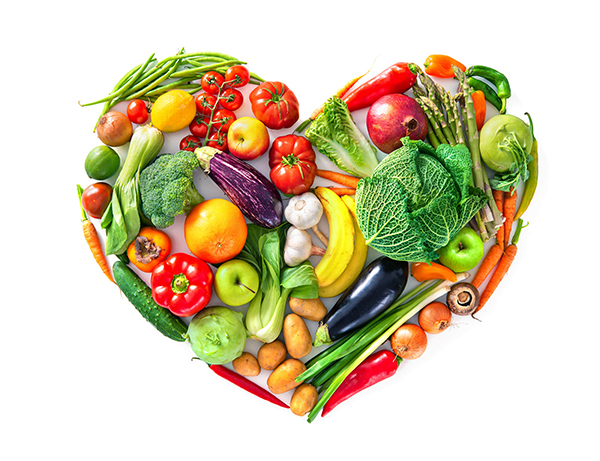
- While many people associate raw foods with healthy eating, some foods contain natural toxins, bacteria or compounds that make them unsafe to eat unless properly cooked.
- Certain common foods, including potatoes, kidney beans, eggplant, gourds and some vegetables, can cause digestive problems, food poisoning or toxic reactions when eaten raw.
- Cooking helps neutralize harmful substances, kill bacteria and improve the body's ability to digest and absorb nutrients.
- Foods such as pumpkin, bottle gourd, cabbage, cauliflower, bitter gourd, eggs, mushrooms and raw cashews should generally be cooked to reduce health risks.
- Healthy eating is not only about choosing nutritious foods but also about preparing them properly to ensure they are safe and easier for the body to digest.
Eating raw foods is often associated with healthy living. Many people believe that uncooked foods are fresher, more natural and packed with nutrients. While this can be true for certain fruits and vegetables, not every food is safe to eat raw. In fact, some foods contain natural toxins, harmful bacteria or compounds that make them difficult for the body to digest unless they are cooked properly.
Many ingredients commonly found in kitchens around the world, including staples used in Indian cooking, may pose health risks when eaten raw. Foods such as potatoes, kidney beans, eggplant and certain gourds can cause digestive problems, food poisoning or even toxic reactions if they are not prepared correctly.
Cooking does more than simply improve flavor. Heat can neutralize toxins, kill harmful bacteria and make nutrients easier for the body to absorb. Understanding which foods should never be eaten raw can help prevent health issues and ensure that meals remain both safe and nutritious.
Below are 10 common foods that should always be cooked before eating.
Pumpkin
Pumpkin is widely used in soups, curries and roasted dishes. However, eating it raw may not be ideal. Raw pumpkin contains complex fibers that can be difficult for the digestive system to break down.
Health risks:
- Indigestion and bloating
- Possible allergic reactions in sensitive individuals
Safety tip: Cooking pumpkin softens its fibers, making it easier to digest while enhancing its flavor and nutritional value.
Bottle gourd
Bottle gourd is considered a healthy vegetable, but it should never be eaten raw. It can contain cucurbitacins, naturally occurring compounds that may be toxic when consumed in high amounts.
Health risks:
- Nausea, vomiting and diarrhea
- Severe gastrointestinal irritation in rare cases
Safety tip: Always cook bottle gourd thoroughly. If the vegetable tastes bitter, it should be discarded because bitterness can indicate high toxin levels.
Cabbage
Cabbage is sometimes eaten raw in salads and slaws, but it can carry bacteria such as Salmonella or Escherichia coli if it is not properly cleaned. It also contains compounds known as goitrogens that may interfere with thyroid function when consumed in large amounts.
Health risks:
- Foodborne illness
- Potential thyroid problems over time
Safety tip: Wash cabbage thoroughly and lightly steam or sauté it to reduce bacteria and goitrogen levels.
Eggplant
Eggplant contains solanine, a natural toxin found in some members of the nightshade family. While the amount is usually small, eating eggplant raw can still cause digestive discomfort for some people.
Health risks:
- Nausea and stomach pain
- Allergic reactions such as itching or swelling
Safety tip: Cooking eggplant significantly reduces solanine levels and improves its texture and taste.
Cauliflower
Cauliflower is often eaten raw in salads, but it can be difficult for the digestive system to handle. Raw cauliflower may also contain bacteria if not cleaned properly.
Health risks:
- Gas and bloating
- Risk of bacterial contamination
Safety tip: Steaming or lightly sautéing cauliflower helps make it easier to digest while preserving most of its nutrients.
Potatoes
Raw potatoes are not only hard to digest but can also contain solanine, a toxin that forms in higher amounts when potatoes turn green or are exposed to light.
Health risks:
- Symptoms of solanine poisoning, such as nausea and headaches
- Digestive discomfort due to resistant starch
Safety tip: Always cook potatoes thoroughly by boiling, baking or frying to neutralize toxins and improve digestibility.
Bitter gourd
Bitter gourd is valued for its potential health benefits, especially for people managing blood sugar levels. However, eating it raw may cause digestive distress.
Health risks:
- Stomach cramps, nausea and diarrhea
- Possible drops in blood sugar levels in sensitive individuals
Safety tip: Cooking bitter gourd reduces its bitterness and makes it safer and easier to digest.
Eggs
Some people consume raw eggs in smoothies or protein drinks, but this practice carries significant health risks. Raw eggs can contain bacteria such as Salmonella, which can lead to food poisoning.
Health risks:
- Fever, stomach cramps and diarrhea
- Reduced absorption of biotin due to a protein called avidin in raw egg whites
Safety tip: Cook eggs until both the whites and yolks are firm to eliminate harmful bacteria.
Raw or unprocessed cashews
Cashews sold in stores are usually processed and safe to eat, but truly raw cashews contain urushiol — the same toxin found in poison ivy.
Health risks:
- Skin rashes and allergic reactions
- Digestive irritation
Safety tip: Always buy processed or roasted cashews, which have been heated to remove the toxin.
Mushrooms (certain types)
Some mushrooms, particularly wild varieties, are toxic when eaten raw. Even cultivated mushrooms may contain small amounts of compounds that cooking helps neutralize.
Health risks:
- Nausea, dizziness and abdominal pain
- Possible exposure to harmful toxins
Safety tip: Cooking mushrooms reduces toxins and improves both safety and flavor.
The bottom line
Eating raw foods can be part of a healthy diet, but not every ingredient should be consumed uncooked. Many vegetables and foods contain natural toxins, bacteria or compounds that can cause digestive issues or more serious health problems if eaten raw.
Cooking plays an important role in making food safer. It can neutralize harmful substances, kill bacteria and improve nutrient absorption. By understanding which foods require proper preparation, you can enjoy their benefits while protecting your health.
BrightU.AI's Enoch noted that healthy eating is not just about choosing nutritious foods – it is also about preparing them in ways that make them safe to consume.
Watch this video to learn more about the facts and myths of eating raw foods.
This video is from the Health Ranger Report channel on Brighteon.com.
Sources include:







Please contact us for more information.